

Department of Education
Integrated teacher Education program
PROGRAM/COURSE
The National Education Policy 2020 highlights, “Teacher education is vital in creating a pool of school teachers that will shape the next generation. Teacher preparation is an activity that requires multidisciplinary perspectives and knowledge, formation of dispositions and values, and development of practice under the best mentors. Teachers must be grounded in Indian values, languages, knowledge, ethos, and traditions including tribal traditions, while also being well- versed in the latest advances in education and pedagogy”.
-
Four-Year Integrated Teacher Education Programme (ITEP)
“Recognizing that the teachers will require training in high-quality content as well as pedagogy, teacher education will gradually be moved by 2030 into multidisciplinary colleges and universities”. The 4-year integrated B.Ed. offered by such multidisciplinary HEIs will, by 2030, become the minimal degree qualification for school teachers. The 4-year integrated B.Ed. will be a dual-major holistic bachelor's degree, in Education as well as a specialized subject such as a language, history, music, mathematics, computer science, chemistry, economics, art, physical education, etc. Beyond the teaching of cutting-edge pedagogy, the teacher education will include grounding in sociology, history, science, psychology, early childhood care and education, foundational literacy and numeracy, knowledge of India and its values/ethos/art/traditions, and more”
-
Main Features of ITEP
The four-year Integrated Teacher Education Programme (ITEP) envisions the creation of passionate, motivated, qualified, professionally trained, and well-equipped teachers capable of designing and implementing developmentally appropriate learning experiences for students at different stages of school education. The ITEP seeks to ensure that the prospective teachers are given the highest quality education in content, pedagogy, values, and practice.
-
Broad Structure of ITEP
The ITEP is of four years duration across eight semesters of study. It is a dual-major bachelor's degree programme, with one major in Education and the other in a disciplinary/interdisciplinary branch of knowledge. In addition, the programme seeks to develop among student-teachers an ethic of social engagement, and capacities such as problem solving, critical thinking, creative thinking, communication skills, ethical and moral reasoning etc. that are necessary for preparing competent teachers.
Multiple Entry and Exit, and Re-entry Options
The ITEP envisages multiple entry and exit points and re-entry options, with appropriate certifications. Student-teachers who wish to exit after completion of one year (two semesters) of study will be given a Certificate indicating the credits accrued for the courses pursued. Student-teachers who wish to exit after completion of two years (four semesters) will be given a Diploma indicating the credits accrued for the courses completed. Student-teachers who wish to exit after successful completion of three years (six semesters) will be awarded a Bachelor’s Degree in the chosen Major area of study upon securing a minimum of 120 credits and satisfying the minimum credit requirements of 48 credits for the Major. Student-teachers who successfully complete four years (eight semesters) of study will be awarded a dual-major bachelor’s degree such as B.A.B.Ed. Or B.Sc.B.Ed. or B.Com.B.Ed. etc. upon securing a minimum of 160 credits, including a minimum of 80 credits for the first major (i.e. in education), and a minimum of 48 credits for the second major (i.e., in a disciplinary/interdisciplinary area relating to one of the curricular areas in school education).
Eligibility/Entry Requirements:
A Certificate obtained after successful completion of Grade 12 (or equivalent stage of education such as Pre-University, Intermediate, etc.) with a minimum of 50% marks in aggregate or an equivalent grade from a recognized Board/University
MANSAS as a pioneering society which focus on establishment of the college of education in the year 1950. Taking into congruence the spirit of NCTE which advocated the policy that educated as a program integrated with a degree would be beneficial instead offering it is in isolation from the core degree, the society closed its 70-year-old M.R. College of Education paving way for the introduction of the present 4-year integrated B.Ed. Program
Outcomes-based Approach of ITEP
The ITEP envisages an outcome-based approach to education. This implies an increased focus on the Graduate Attributes to be demonstrated by the student-teachers, and the achievement by student-teachers of the learning outcomes associated with each of the curricular components and the courses of study relating to these components. Graduate attributes indicate the quality and feature or characteristics of a student-teacher, including the knowledge, capacities, and values and dispositions that are expected to be demonstrated by a graduate of the ITEP. They include capacities that help student-teachers widen their current knowledge base, gain new knowledge and competencies, undertake further studies, perform well as a teacher, and play a constructive role as a responsible citizen in the society. Graduate attributes reflect learning outcomes that are specific to each of the curricular components and courses of study, and generic learning outcomes that graduates of all Stage-Specific ITEP should achieve and be able to demonstrate. Graduate attributes are acquired and fostered incrementally through the totality of learning experience made available to a student-teacher, the college/university experience, and through a process of critical and reflective thinking.
COURSE STRUCTURE:
MAHARAJAH’S COLLEGE (A) of is rated as one among the best colleges in the state of Andhra Pradesh as it set up highest standards in all areas of curricular, co-curricular and extra-curricular activities and in students’ placements. Student is supposed to study in 8 semesters of 4 years of honors course.
Classification of Courses and Category
Curriculum Structure
PROGRAM PATTERN:
B.Sc., B. Ed:
The program is for 4 academic years and 8 semesters.
AWARD OF DEGREE:
A student will be declared eligible for the award of degree if he/she fulfills the following
academic regulations.
- A student shall be declared eligible for the award of degree, if he/she pursues a course of study for not less than four academic years and not more than eight academic years from the date of admission.
- The student shall register for the following credits:
Name of the Programme | No of Credits |
B.Sc.,B.Ed. | 172 |
The student shall secure all the credits.
- The medium of instruction for the entire under graduate program will be in English
- Students who fail to complete Four Years Course of study within 8 years shall forfeit their seat and their admission shall stand cancelled.
GUIDELINES TO BE FOLLOWED FOR THE ALLOTMENT OF MINOR COURSES
The guidelines for the allotment of minor courses to the firstyear students of R26 Regulation from the AY 2026-27 are given hereunder:
- All the Theory courses offering under the category of minor shall have 3 credits.
- All the Laboratory course offering under the categories of minor shall have 1 credit.
- One credit of any theory course under the category of minor shall be delivered through 1 hour per week and one credit of any laboratory course under the category of minor shall be delivered through 2 hours per week.
- The students have to choose a minor in the second semester, onwards up to fifth semester, cutting across the disciplines or from allied disciplines.
- A student has to study 6 courses in the chosen minor with 24 credits.
- To choose a minor course, the student has to fulfill the eligibility requirement of studying the same specialization in his/her Intermediate course. For choosing the minor as Computer Science, the student has to study Mathematics as one of the subjects in his/her Intermediate.
- A student, if the student wishes, can complete an additional second minor through online from approved sources during the period of study and submit the credits to the institution/university for inclusion in the Degree certificate.
- The list of minors, offering programs, and the respective eligibility criteria is given hereunder:
S.No | Program/ Departments | Title of the Minor | Eligibility for opting |
1 | BA | Political Science | Any Group in Intermediate |
History | |||
Finance | |||
2 | B.Com | Digital Marketing (for commerce and other majors) | Any Group in Intermediate |
History | |||
Political Science | |||
Finance (for commerce and other majors) | |||
3 | BBA | Digital Marketing | Any Group in Intermediate |
Travel & Tourism Management | |||
4 | B.Sc. | Botany | Bi.PC. in Intermediate |
Chemistry | MPC/Bi.PC in Intermediate | ||
Mathematics | MPC/MEC in Intermediate | ||
Physics | MPC/Bi.PC in Intermediate | ||
Quantum Technologies | MPC/MEC in Intermediate | ||
Electronics | MPC/Bi.PC in Intermediate | ||
Statistics | MPC/MEC in Intermediate | ||
Zoology | Bi.PC. in Intermediate | ||
Computer Science | MPC/MEC in Intermediate | ||
Data Science | Any Science group in Intermediate | ||
Biotechnology | Bi.PC. in Intermediate | ||
Microbiology | Bi.PC. in Intermediate |
- Allotment of minor courses to the Ist year students shall be subject to the availability of resources and logistics. Any minor course shall be conducted only after satisfying minimum criteria with respect to strength of the section.
- Allotment of minor courses to the Ist year students shall be considered based on the merit of the students obtained in Intermediate education. However, the final decision will be based on the recommendation of the Management of the institution.
- A list of possible minors and the departments offering the respective minors is given below:
S.No | Program | Minor | Eligibility for opting |
1 | BA(H) Economics | History/Political Science/ Finance | Any Group in Intermediate |
2 | B.Com (General) | Finance/History/Political Science | Any Group in Intermediate |
3 | B.Com (CA) | Finance/History/Political Science | Any Group in Intermediate |
4 | B. Sc(H) Botany | Zoology, Chemistry, Physics | Bi.P.C. in Intermediate |
5 | B. Sc(H) Zoology | Botany, Chemistry, Physics | Bi.P.C. in Intermediate |
6 | B.Sc(H) Mathematics | Physics, Chemistry, Statistics, Computer Science | M.P.C. in Intermediate |
Data Science | M.P.C/M.E.C/Bi.P.C in Intermediate | ||
7 | B.Sc(H) Geology | Chemistry, Physics, Statistics, Computer Science, Mathematics | M.P.C in Intermediate |
Chemistry, Physics, Statistics, Computer Science, Mathematics | M.P.C/M.E.C/Bi.P.C in Intermediate | ||
Botany, Zoology, Chemistry, Physics | Bi.P.C | ||
8 | B.Sc(H) Physics | Chemistry, Computer Science, Data Science, Mathematics, Quantum Technologies, Electronics | M.P.C. in Intermediate |
Botany, Zoology, Data Science, Electronics | Bi.P.C in Intermediate | ||
9 | B.Sc(H) Chemistry | Computer Science, Physics, Data Science, Mathematics | M.P.C in Intermediate |
Botany, Zoology, Physics, Data Science | Bi.P.C in Intermediate | ||
10 | B.Sc(H) Computer Science | Mathematics, Physics, Chemistry | M.P.C in Intermediate |
Data Science | M.E.C in Intermediate | ||
11 | B.Sc(H) Data Science | Mathematics, Statistics, Physics, Chemistry, Computer Science | M.P.C in Intermediate |
Mathematics, Statistics Computer Science | M.E.C | ||
Botany, Zoology, Chemistry, Physics | Bi.P.C | ||
12 | B.Sc(H) Biotechnology | Chemistry, Botany, Zoology, Microbiology | Bi.P.C in Intermediate |
13 | B.Sc(H) Microbiology | Chemistry, Botany, Zoology, Biotechnology | Bi.P.C in Intermediate |
DISTRIBUTION AND WEIGHTAGE OF MARKS:
a). Theory:
All Theory courses will have 5 units and assessed for 100 marks, of which, 40 marks for internal assessment and 60 marks for semester end examination.
Internal Assessment:
Internal Assessment -30 Marks
Assignments -10Marks
- Two Internal Assessment shall be conducted. One on first 50% of the syllabus and second on remaining 50% of the syllabus.
- Each Internal Assessment consists Subjective test
- Each subjective test shall be conducted for 60 Minutes and assessed for 30 marks
- Assignments shall be assessed for 10 marks
- Final Internal Assessment marks can be calculated from the average of the two Internal Assessments.
Semester End Examinations:
- External examination is for 60 marks (180 min). Question paper contains Essay questions and short answer questions.
Assignments: The student has to submit 5 assignments (1 for each unit) and assessed for 10 marks. Each assignment shall consist of 4 questions (4X10 = 40 marks) and the same shall be scaled down to 10 marks. Average of 4 assignments shall be considered as final assignment marks.
- b) Semester End Practical’s:
All Laboratory courses are assessed for 50 marks.
- Semester end practical examination shall include assessment of the student on
- Knowledge of principles/concepts involved
- Experimental design
- Result interpretation and analysis
- Experimental report
- Semester end examination is for 50 marks (150 min) conducted and assessed by both external and internal examiners.
ATTENDANCE REGULATIONS:
A student shall be eligible to appear for end semester examinations, if he or she acquires a minimum of 75% of attendance in aggregate of all the subjects (Theory & Lab.) for the semester.
Condonation of shortage of attendance in aggregate up to 10% (65% and above and below 75%) in each semester may be granted by the college academic committee.
- Shortage of attendance below 65% in aggregate of all the subjects (Theory & Lab) for the semester shall not be Condoned.
- Detained student shall seek re- admission for that semester when offered within 4 weeks from the date of commencement of class work.
PROMOTION RULE (Based on attendance):
- A Student shall be promoted to the next semester on fulfillment of minimum attendance requirement (75%) of current semester
- A Student shall be pay examination fee for one of semesters out two Semesters(one academic year)
MINIMUM ACADEMIC REQUIREMENTS (Theory/ Practical):
A student is deemed to have satisfied the minimum academic requirements for a course on securing minimum 40% of marks in the semester end exam and minimum 40% of marks in the sum total of the internal marks and semester end marks.
GRADING SYSTEM:
Semester Grade Point Average (SGPA) for the current semester which is calculated on the basis of grade points obtained in all courses.
SGPA= Σ (course credits earned x Grade points) /
Σ (Total course credits in the semester.
CGPA= Σ (course credits earned x Grade points) up to successfully completed semesters) /
Σ(Total course credits up to successfully completed)
The UGC recommends a 10-point grading system with the following letter grades as given below:
CRITERIA FOR AWARDING GRADES
Academic Performance (%) | Letter Grade | Level | Grade Points |
> 90 ≤ 100 | O | Outstanding | 10 |
> 80 ≤ 90 | A+ | Excellent | 9 |
> 70 ≤ 80 | A | Very Good | 8 |
> 60 ≤ 70 | B+ | Good | 7 |
> 55 ≤ 60 | B | Above Average | 6 |
> 50 ≤ 55 | C | Average | 5 |
≥ 40 ≤ 50 | P | Pass | 4 |
< 40 | F( Fail) | Fail | 0 |
Absent | Ab | Absent | 0 |
The Minimum qualifying “Letter Grade “is “P” for both Theory and Practical courses.
Semester Grade Points Average (SGPA) for successful completion of each semester is calculated as below:
Course | Credits | Letter Grade | Grade Points | Credit Points |
Course 1 | 4 | C | 5 | 20 |
Course 2 | 3 | A | 8 | 24 |
Course 3 | 2 | B | 6 | 12 |
Course 4 | 2 | A+ | 9 | 18 |
Course 5 | 2 | P | 4 | 8 |
Course 6 | 3 | B+ | 7 | 21 |
Course 7 | 3 | O | 10 | 30 |
Course 8 | 1 | O | 10 | 10 |
Total | 20 |
|
| 143 |
Calculation of CGPA
Semester 1 | Semester2 | Semester 3 | Semester 4 | Semester 5 | Semester 6 | Semester 7 | Semester 8 |
Credits:20 | 22 | 24 | 24 | 26 | 12 | 26 | 26 |
SGPA:7.2 | 6.5 | 7.2 | 7.2 | 7.5 | 9.0 | 8.4 | 8.6 |
Note:
- Performance of a student at the end of each successfully completed semester is indicated in terms of SGPA
- Performance of a student up to the successfully completed semester is indicated in terms of CGPA
- SGPA will be awarded for the students who have cleared all the subjects in the semester.
- CGPA will be awarded for the students who have cleared all the subjects up to that semester.
- Audit Course registered if any are not counted for the calculation of SGPA. For Audit course, the letter gradeS=Satisfactory, NS=No Satisfactory
- Medium of Instruction and Examinations in English.
7.CGPA multiplied by “10” gives aggregate percentage of marks obtained by a candidate.
ELIGIBILITY FOR AWARD OF DEGREE:
A student shall be eligible for award of the degree if he/she fulfills the following conditions:
1) Successfully completes all the courses prescribed for the Program.
2) CGPA greater than or equal to 5.0 (Minimum requirement for Pass),
AWARD OF CLASS:
Eligible Candidates for the award of Degree shall be placed in one of the following Classes based on CGPA.
CLASS | CGPA |
First Class | ≥ 6.5 |
Second Class | ≥ 5.5 to < 6. 5 |
Pass Class | ≥ 5.0 to < 5.5 |
INSTRUCTION DAYS:
A semester shall have a minimum of 90 clear instruction days (including internal examinations).
SUPPLEMENTARY EXAMINATIONS:
Supplementary examinations shall be conducted for final year students of Vth &VIth semesters within 4 weeks from the date of announcement of results of regular examinations.
WITH HOLDING OF RESULTS
: The result of a student shall be withheld
- If any case of pending disciplinaryaction ,
- Involvement in any sort of malpractices etc.
- Involvement in ragging.
AMENDMENTS TO REGULATIONS:
The Academic Council of M.R.College (Autonomous) reserves the right to revise, amend, change or nullify the Regulations, Schemes of Examinations, and/ or Syllabi or any other such matter relating to the requirements of the program which are compatible to the contemporary/emerging trends effectively meeting the needs of society/industry/stake holding groups.
Regulations for MALPRACTICES during the conduct of examinations:
Nature of Malpractices/Improper conduct | Punishment | |
1 (a) | If the candidate possesses or keeps accessible in examination hall, any paper, note book, programmable calculators, Cell phones, pager, palm computers or any other form of material concerned with or related to the subject of the examination (theory or practical) in which he is appearing but has not made use of (material shall include any marks on the body of the candidate which can be used as an aid in the subject of the examination) | Expulsion from the examination hall and cancellation of the performance in that subject only. * |
(b) | If the candidate gives assistance or guidance or receives it from any other candidate orally or by any other body language methods or communicates through cell phones with any candidate or persons in or outside the exam hall in respect of any matter. | Expulsion from the examination hall and cancellation of the performance in that subject only of all the candidates involved. In case of an outsider, he will be handed over to the police and a case is registered against him. * |
2 | If the candidate has copied in the examination hall from any paper, book, programmable calculators, palm computers or any other form of material relevant to the subject of the examination (theory or practical) in which the candidate is appearing. | Expulsion from the examination hall and cancellation of the performance in that subject and all other subjects the candidate has already appeared including practical examinations and project work and shall not be permitted to appear for the remaining examinations of the subjects of that Semester/year. The Hall Ticket of the candidate is to be cancelled. * |
3 | If the candidate impersonates any other candidate in connection with the examination. | The candidate who has impersonated shall be expelled from examination hall. The candidate is also debarred and forfeits the seat. The performance of the original candidate, who has been impersonated, shall be cancelled in all the subjects of the examination (including practicals and project work) already appeared and shall not be allowed to appear for examinations of the remaining subjects of that semester/year. The candidate is also debarred for two consecutive semesters from class work and all University examinations. The continuation of the course by the candidate is subject to the academic regulations in connection with forfeiture of seat. If the imposter is an outsider/candidate not on rolls, he will be handed over to the police and a case is registered against him. * |
4 | If the candidate mishandles the Answer book or additional sheet or takes out or arranges to send out the question paper during the examination or answer book or additional sheet, during or after the examination. Also if the answer script is mutilated / damaged disturbing the shape, of the script, answers, the bar code intentionally. | Expulsion from the examination hall and cancellation of performance in that subject and all the other subjects the candidate has already appeared including practical examinations and project work and shall not be permitted for the remaining examinations of the subjects of that semester. He shall be debarred from class work and all examinations and be allowed to reregistered for the next subsequent odd or even semester only. The continuation of the course by the candidate is subject to the academic regulations in connection with forfeiture of seat.* |
5. | Uses objectionable, abusive or offensive language in the answer paper or in letters to the examiners or writes to the examiner requesting him to award pass marks. | The same should be brought to the notice of CE who in turn in consultation with malpractice committee makes decision for cancellation of the performance in that subject. * |
6. | Refuses to obey the orders of the Chief Superintendent/Assistant – Superintendent / any officer on duty or misbehaves or creates disturbance of any kind in and around the examination hall or organizes a walk out or instigates others to walk out, or threatens the officer-in charge or any person on duty in or outside the examination hall of any injury to his person or to any of his relations whether by words, either spoken or written or by signs or by visible representation, assaults the officer-in-charge, or any person on duty in or outside the examination hall or any of his relations, or indulges in any other act of misconduct or mischief which result in damage to or destruction of property in the examination hall or any part of the College campus or engages in any other act which in the opinion of the officer on duty amounts to use of unfair means or misconduct or has the tendency to disrupt the orderly conduct of the examination. | In case of students of the college, they shall be expelled from examination halls and cancellation of their performance in that subject and all other subjects the candidate(s) has (have) already appeared and shall not be permitted to appear for the remaining examinations of the subjects of that semester. The candidates also are debarred and forfeit their seats. In case of outsiders, they will be handed over to the police and a police case is registered against them. * |
7. | Leaves the exam hall taking away answer script or intentionally tears of the script or any part thereof inside or outside the examination hall. | Expulsion from the examination hall and cancellation of performance in that subject and all the other subjects the candidate has already appeared including practical examinations and project work and shall not be permitted for the remaining examinations of the subjects of that semester/year. The candidate is also debarred for two consecutive semesters from class work and all University examinations. The continuation of the course by the candidate is subject to the academic regulations in connection with forfeiture of seat. * |
8. | Possess any lethal weapon or firearm in the examination hall. | Expulsion from the examination hall and cancellation of the performance in that subject and all other subjects the candidate has already appeared including practical examinations and project work and shall not be permitted for the remaining examinations of the subjects of that semester/year. The candidate is also debarred and forfeits the seat. * |
9. | If student of the college, who is not a candidate for the particular examination or any person not connected with the college indulges in any malpractice or improper conduct mentioned in clause 6 to 8. | Student of the colleges expulsion from the examination hall and cancellation of the performance in that subject and all other subjects the candidate has already appeared including practical examinations and project work and shall not be permitted for the remaining examinations of the subjects of that semester. The candidate is also debarred and forfeits the seat. Person(s) who do not belong to the College will be handed over to police and, a police case will be registered against them. * |
10 | Comes in a drunken condition to the examination hall. | Expulsion from the examination hall and cancellation of the performance in that subject and all other subjects the candidate has already appeared including practical examinations and project work and shall not be permitted for the remaining examinations of the subjects of that semester. * |
11 | Copying detected on the basis of internal evidence, such as, during valuation or during special scrutiny. | Cancellation of the performance in that subject and all other subjects the candidate has appeared including practical examinations and project work of that semester/year examinations.* |
- General :
- Wherever the words “he”, “him”, “his”, occur in the regulations, they include “she”, “her”, “hers”.
- The academic regulation should be read as a whole for the purpose of any interpretation.
- In the case of any doubt or ambiguity in the interpretation of the above rules, the decision of the Principal is final.
- The College may change or amend the academic regulations or syllabi at any time and the changes or amendments made shall be applicable to all the students with effect from the dates notified by the college.
The Integrated Teacher Education Programme (ITEP) has a four-year, dual-major structure that integrates teacher education with a disciplinary degree. Its curricular structure includes a two-week induction program, foundational and stage-specific content-cum-pedagogy courses, ability enhancement and value-added courses, school experience components like practice teaching and internship, and community engagement activities. This holistic approach prepares teachers to be skilled professionals with strong ethical grounding, social awareness, and the ability to meet the diverse needs of 21st-century learners.
CURRICULAR STRUCTURE OF INTEGRATED TEACHER EDUCATION PROGRAMME (ITEP)
The Stage-Specific ITEP will be organized according to the semester pattern, which is two semesters in an academic year. Each semester will consist of 15 -16 weeks of teaching-learning activities. The ITEP comprises the following seven curricular components:
- Curricular Components
- Foundations of Education
- Disciplinary/Interdisciplinary Courses
- Stage-Specific Content-Cum-Pedagogy
- Ability Enhancement and Value-Added Courses
- School Experience
- Community Engagement and Service
Curricular Components
- The Integrated Teacher Education Programme (ITEP) curriculum has four main components:
- A disciplinary or interdisciplinary major,
- A minor in education
- A focus on Indian knowledge systems and values, and
- Practical training like internships and community engagement.
- The curriculum is designed to prepare versatile teachers with subject-specific expertise and strong pedagogical skills, emphasizing inclusivity, digital literacy, and foundational learning.
Foundations of Education
- Courses relating to foundations of education are critical to the professional preparation of teachers.
- These courses draw upon the disciplines of philosophy, sociology, psychology, history, economics, political science, and education policy studies.
- A deep engagement with these areas of study is a necessary condition for a teacher to have the ability to make good educational judgments.
- The courses seek to provide an orientation on the main factors which influence the structure and organization of various aspects of education and teacher education such as the objectives of education, expected competencies and learning outcomes, curricular structure and components, pedagogical practices, and methodologies and procedures relating to learning assessment and evaluation of overall student performance etc.
- These courses also seek to enable student-teachers to develop an understanding of the different perspectives on education, the profession of teaching, and human knowledge and learning.
- These courses enable prospective teachers to develop an understanding of the theoretical, conceptual, and policy-related underpinnings of the educational enterprise and its various curricular and instructional approaches.
Disciplinary/Interdisciplinary Courses
- Much of the focus of teachers’ work lies in the teaching of subjects prescribed for and/or opted for study by school students.
- For subject teaching to be meaningful, teachers need to possess deep knowledge and profound understanding of the conceptual structures and practice relating to a subject of study.
- The ITEP aims to prepare student-teachers to be able to place the subject matter they teach in a wider perspective of human knowledge, its modes of construction and justification as well as its impact on human societies.
- The ITEP provides student-teachers opportunities to pursue rigorous specialization through a chosen Major (48 Credits or 64 Credits) in a discipline associated with one of the curricular areas in the school education curriculum.
- The study of these courses helps student-teachers gain a broader understanding beyond the discipline chosen as the Major area of study and enable them to teach at least two subjects prescribed for study at a particular Stage of school education.
Stage-Specific Content-Cum-Pedagogy
- Teachers are required to evolve their own understanding and capacities that would help them restructure subject-matter and concepts relating to the curricular areas to aid children in Understanding them.
- Content-cum-Pedagogy plays an important role in the integration of pedagogy and Content, as well as the development of an integrated understanding of the pedagogical Content and subject matter knowledge which improves with time and experience.
- The main purpose of the Content-cum-Pedagogy courses is to make prospective teachers comprehend the epistemological and pedagogical foundations of the subject they are expected to teach
Ability Enhancement and Value-Added Courses
- These courses are common to all student-teachers across Stage Specializations.
- They help student-teachers gain knowledge and capacities in areas that are essential to a holistic education and are both useful to life as well as to a career in education.
- The courses will help student-teachers develop sensitivity, critical and analytical capacities, reflection, sensibilities for dialogue and cooperative learning, aesthetic appreciation, and values for a sustainable world.
- Languages I & II
- Art Education (Performing and Visual)
- Understanding India (Indian Ethos and Knowledge Systems)
- Teacher & Society
- ICT in Education
- Mathematical and Quantitative Reasoning
- Sports, Nutrition and Fitness
- Yoga and Understanding Self
- Citizenship Education, Sustainability and Environmental Education
School Experience
- The school is the heart of teacher education.
- Teaching can never be a mere application of theories generated from different disciplines like psychology, sociology, philosophy etc.
- An effective teacher needs to have the capacity to make educational judgments based on the perspectives gained through engagement with these disciplines.
- Pre-Internship Practice
- School Observation (Field Practice)
- School-Based Research Projects
- Internship in Teaching
- Post Internship (Review and Analysis)
- Creating Teaching-Learning Material
Course Structure-Integrated Teacher Education Program (ITEP):
SEMESTER – I
S. No | Course | Subject Code | Course Title | Short Title | No. of Hours | No. of Credits |
1 | Foundation of Education | R26EDUT141 | Evaluation of Indian Education | EIE | 4 | 4 |
2 | Major | R26MATT111 | Differential Equations | DE | 4 | 4 |
3 | Major | R26MATT112 | Solid Geometry | SG | 4 | 4 |
4 | Ability Enhancement & Value Added Course | R26TELT131 | Sahithi Vasantham | SV | 4 | 4 |
5 | Ability Enhancement & Value Added Course | R26EDUT171 | Art Education (Performing & Visual) | AE | 2 | 2 |
6 | Ability Enhancement & Value Added Course | R26EDUT172 | Understanding India (India Ethos & IKS) | UIE | 2 | 2 |
TOTAL: | 20 | 20 | ||||
SEMESTER – II
S. No | Course | Subject Code | Course Title | Short Title | No. of Hours | No. of Credits |
1 | Foundation of Education | R26EDUT241 | Child Development & Educational Psychology | CDE | 4 | 4 |
2 | Major | R26MATT211 | Group Theory | GT | 4 | 4 |
3 | Major | R26MATT212 | Elementary Real Analysis | ERA | 4 | 4 |
4 | Ability Enhancement & Value Added Course | R26ENGT231 | English Bridge-I: Life Skills | EBLS | 4 | 4 |
5 | Ability Enhancement & Value Added Course | R26EDUT271 | Understanding India (India Ethos & IKS) | UI | 2 | 2 |
6 | Ability Enhancement & Value Added Course | R26EDUT272 | Teacher and Society | TS | 2 | 2 |
TOTAL: | 20 | 20 | ||||
SEMESTER – III
S. No | Course | Subject Code | Course Title | Short Title | No. of Hours | No. of Credits |
1 | Major | R26MATT311 | Ring Theory | RT | 4 | 4 |
2 | Major | R26MATT312 | Advanced Real Analysis | ARA | 4 | 4 |
3 | Major | R26MATT313 | Theory of Matrices | TM | 4 | 4 |
4 | Minor | R26PHYT321 | Mechanics and Properties of Matter | MPM | 3 | 3 |
R26CHET321 | General Chemistry | GC | ||||
R26PHYL321 | Mechanics and Properties of Matter Lab | MPML | 2 | 1 | ||
R26CHEL321 | General Chemistry Lab | GCL | ||||
5 | Content cum Pedagogy | R26EDUT351 | Basics of Pedagogy at Secondary Stage | BPSS | 4 | 4 |
TOTAL: | 21 | 20 | ||||
SEMESTER – IV
S. No | Course | Subject Code | Course Title | Short Title | No. of Hours | No. of Credits |
1 | Foundation of Education | R26EDUT441 | Philosophical & Sociological Perspective Education-I | PSPE | 4 | 4 |
2 | Major | R26MATT411 | Linear Algebra | LA | 4 | 4 |
3 | Major | R26MATT412 | Vector Calculus | VC | 4 | 4 |
4 | Major | R26MATT413 | Linear Programming | LP | 5 | 4 |
5 | Minor | R26PHYT421 | Waves and Applied Optics | WAO | 3 | 3 |
R26CHET421 | Organic Chemistry | OC | ||||
R26PHYL421 | Waves and Applied Optics Lab | WAOL | 2 | 1 | ||
R26CHEL421 | Organic Chemistry Lab | OCL | ||||
6 | Content cum Pedagogy | R26EDUT451 | Content cum Pedagogy of Mathematics at Secondary Stage | CPM | 2 | 2 |
7 | Content cum Pedagogy | R26EDUT452 | Content cum Pedagogy of Physical Science at Secondary Stage | CPP | 2 | 2 |
TOTAL: | 25 | 24 | ||||
SEMESTER – V
S. No | Course | Subject Code | Course Title | Short Title | No. of Hours | No. of Credits |
| ||
1 | Major | R26MATT511 | Special Functions | SF | 4 | 4 |
| ||
2 | Major | R26MATT512 | Laplace Transformations | LT | 4 | 4 |
| ||
R26MATT513 | Foundations of Automation Theory | FAT |
| ||||||
3 | Major | R26MATT514 | Numerical Methods | NM | 4 | 4 |
| ||
R26MATT515 | Mathematical Methods using Mat – Lab | MM |
| ||||||
4 | Minor | R26PHYT521 | Heat and Thermodynamics | HT | 3 | 3 |
| ||
R26CHET521 | Inorganic Chemistry | IC |
| ||||||
R26PHYL521 | Heat and Thermodynamics Lab | HTL | 2 | 1 |
| ||||
R26CHEL521 | Inorganic Chemistry Lab | ICL |
| ||||||
5 | Content cum Pedagogy | R26EDUT551 | Content cum Pedagogy of Mathematics at Secondary Stage | CPM | 2 | 2 |
| ||
6 | Content cum Pedagogy | R26EDUT552 | Content cum Pedagogy of Physical Science at Secondary Stage | CPP | 2 | 2 |
| ||
7 | Ability Enhancement and Value Added Course | R26EDUT571 | ICT in Education | ICT | 2 | 2 |
| ||
8 | School Experience | R26EDUP5I1 | Pre-Internship Practice | PIP | 0 | 2 |
| ||
TOTAL: | 23 | 24 | |||||||
SEMESTER – VI
S. No | Course | Subject Code | Course Title | Short Title | No. of Hours | No. of Credits |
| ||
1 | Foundation of Education | R26EDUT641 | Inclusive Education | IE | 2 | 2 |
| ||
2 | Foundation of Education | R26EDUT642 | Assessment & Evaluation | AE | 2 | 2 |
| ||
3 | Major | R26MATT611 | Integral Transforms | IT | 4 | 4 |
| ||
R26MATT612 | Statistical Analysis using R | SA |
| ||||||
4 | Major | R26MATT613 | Advanced Numerical Methods | AMN | 4 | 4 |
| ||
R26MATT614 | Mathematical Computations using Python | MCP |
| ||||||
5 | Minor | R26PHYT621 | Electricity, Magnetism and Electronic Theory | EMET | 3 | 3 |
| ||
R26CHET621 | Physical Chemistry | PC |
| ||||||
R26PHYL621 | Electricity, Magnetism and Electronic Theory Lab | EMETL | 2 | 1 |
| ||||
R26CHEL621 | Physical Chemistry Lab | PCL |
| ||||||
6 | Content cum Pedagogy | R26EDUT651 | Content cum Pedagogy of Mathematics at Secondary Stage | CPM | 4 | 4 |
| ||
7 | Content cum Pedagogy | R26EDU652 | Content cum Pedagogy of Physical Science at Secondary Stage | CPP | 2 | 2 |
| ||
8 | Ability Enhancement and Value Added Course | R26EDUT671 | Mathematical & Quantitative Reasoning | MQ | 2 | 2 |
| ||
9 | School Experience | R26EDUP6I1 | School Observation (Field Practice) | SO | 0 | 2 |
| ||
TOTAL: | 25 | 26 | |||||||
SEMESTER – VII
S. No | Course | Subject Code | Course Title | Short Title | No. of Hours | No. of Credits |
1 | Foundation of Education | R26EDUT741 | Perspectives on School Leadership & Management | PLM | 2 | 2 |
2 | Foundation of Education | R26EDUT742 | Curriculum Planning & Development | CPD | 2 | 2 |
3 | Ability Enhancement and Value Added Course | R26EDUT771 | Art Education | AE | 2 | 2 |
4 | Ability Enhancement and Value Added Course | R26EDUT772 | Sports, Nutrition, and Fitness | SNF | 2 | 2 |
5 | School Experience | R26EDUP7I1 | School-Based Research Project | SRP | 2 | 2 |
6 | School Experience | R26EDUP7I2 | Internship in Teaching | IT | 0 | 10 |
TOTAL: | 10 | 20 | ||||
SEMESTER – VIII
S. No | Course | Subject Code | Course Title | Short Title | No. of Hours | No. of Credits |
1 | Foundation of Education | R26EDUT841 | Philosophical & Sociological Perspectives Education-II | PSPE | 4 | 4 |
2 | Foundation of Education | R26EDUT842 | Education Policy Analysis | EPA | 2 | 2 |
3 | Foundation of Education | R26EDUT843 | Adolescence Education | AE | 4 | 4 |
4 | Ability Enhancement and Value Added Course | R26EDUT871 | Yoga & Understanding Self | YU | 2 | 2 |
5 | Ability Enhancement and Value Added Course | R26EDUT872 | Citizenship Education, Sustainability and Environmental Education | CESEE | 2 | 2 |
6 | School Experience | R26EDUP8I1 | Post Internship (Review and Analysis) | PI | 2 | 2 |
7 | School Experience | R26EDUP8I2 | Creating TLM | CTLM | 2 | 2 |
8 | Community Engagement & Service | R26EDUP8I3 | Community Engagement & Service | CES | 2 | 2 |
TOTAL: | 20 | 20 | ||||

Dr. SRIDEVI TENTU
Head of the Department
Mathematics
T.Swathi
Assistant Professor
Mathematics
Sri. N.Dharmarao
Assistant Professor
Mathematics

Sri. P Ganesh kumar
Assistant Professor
Chemistry

Smt. DEVI LAGUDU
Assistant Professor
Chemistry
Smt. P.Bhagya Lakshmi
Assistant Professor
Chemistry

Smt. K.Krishnaveni
Assistant professor
Physics

Sri.K.Suryanaryana
Assistant professor
Physics
Sri. M. SRINIVASU
Assistant Professor
Psychology

Sri. Ch. Cheti Naidu
Asst.Professor
Telugu
Dr. P. Rama Krishna
Assistant Professor
Physical Education
Sri. S.V.RAMANA
Assistant Professor
Philosophy
CH. NAREN KUMAR
Assistant Professor
English
Instructional Facilities
Classrooms:
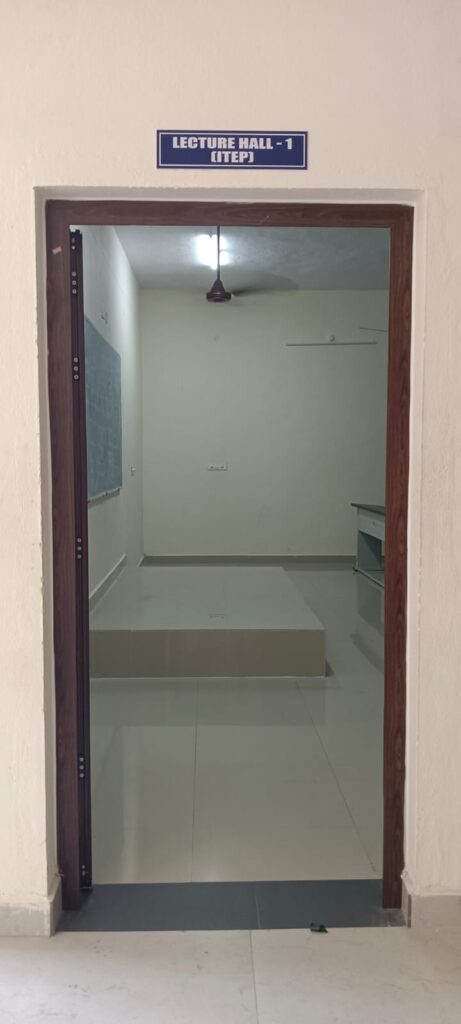
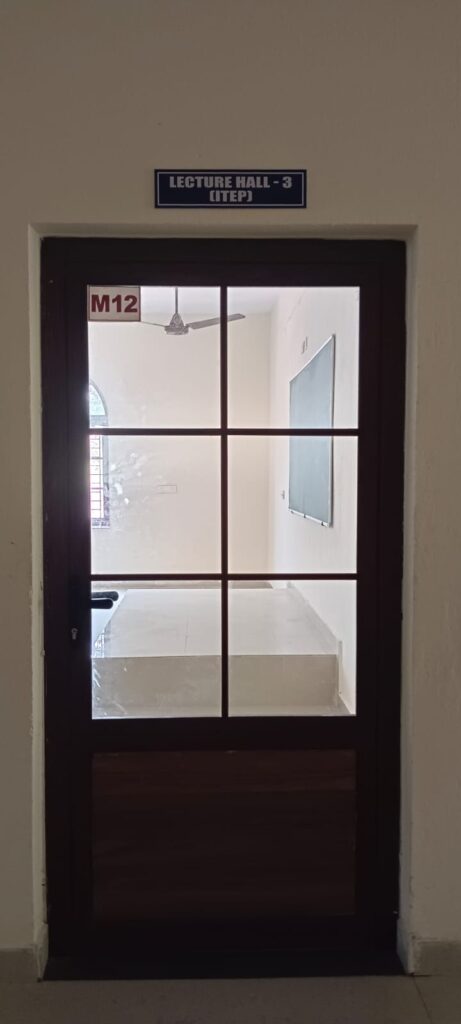
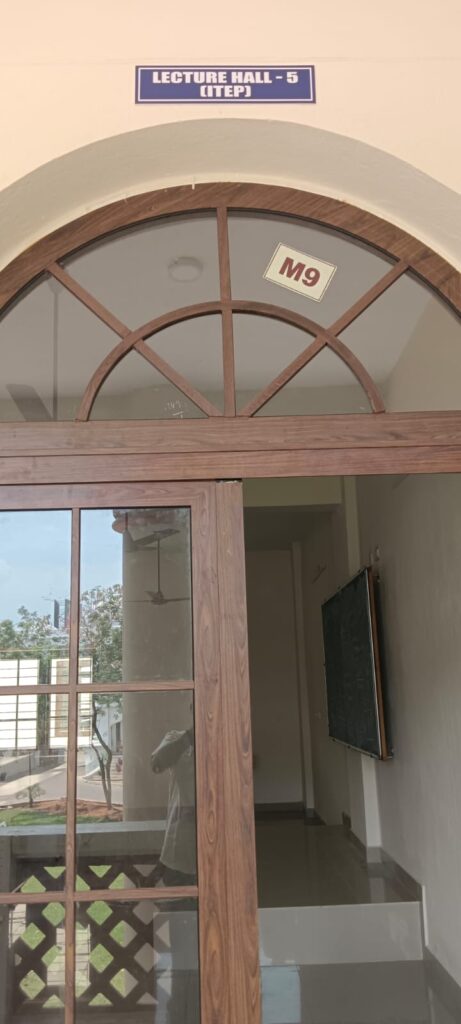
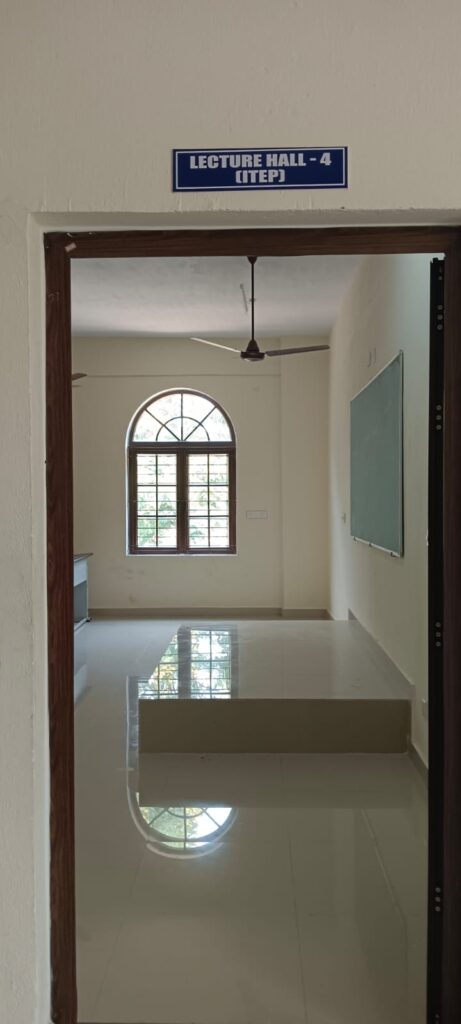
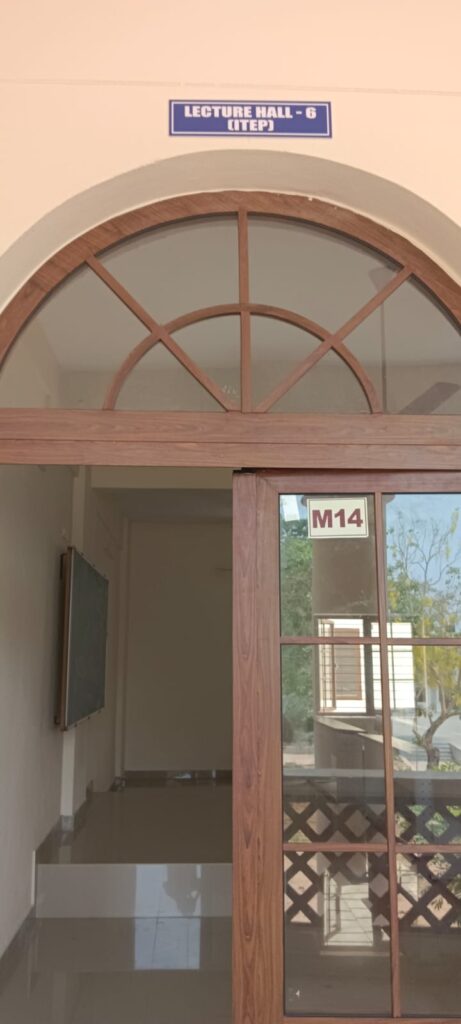
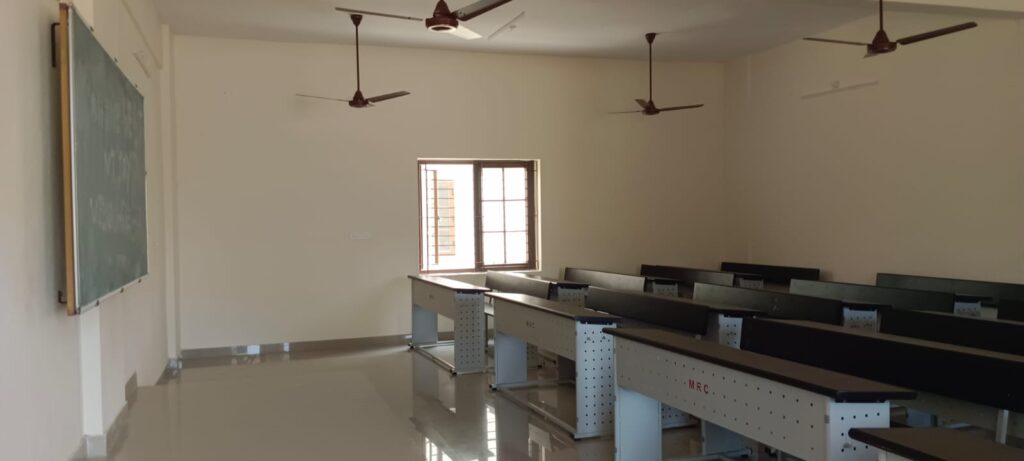
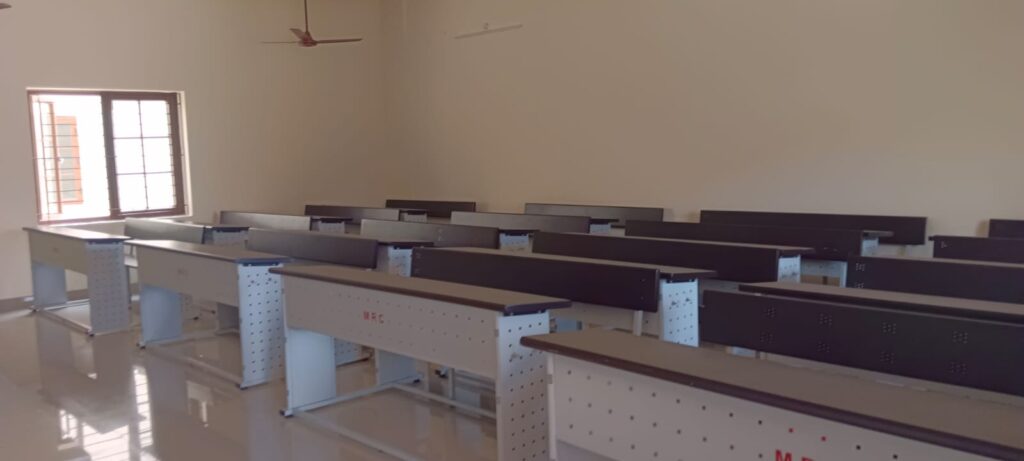
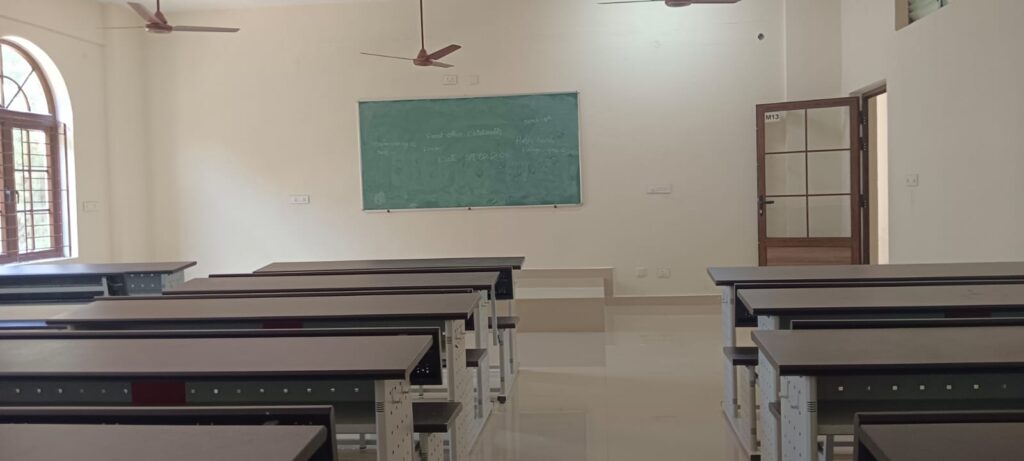
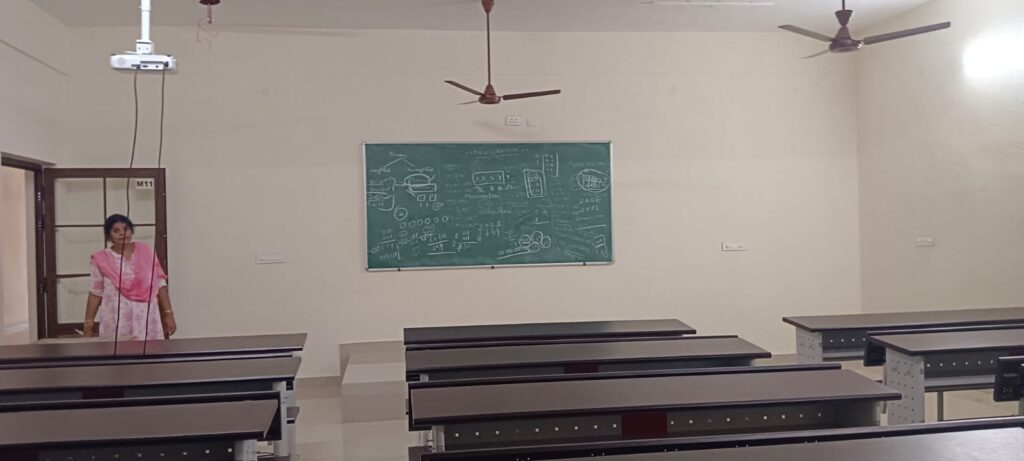
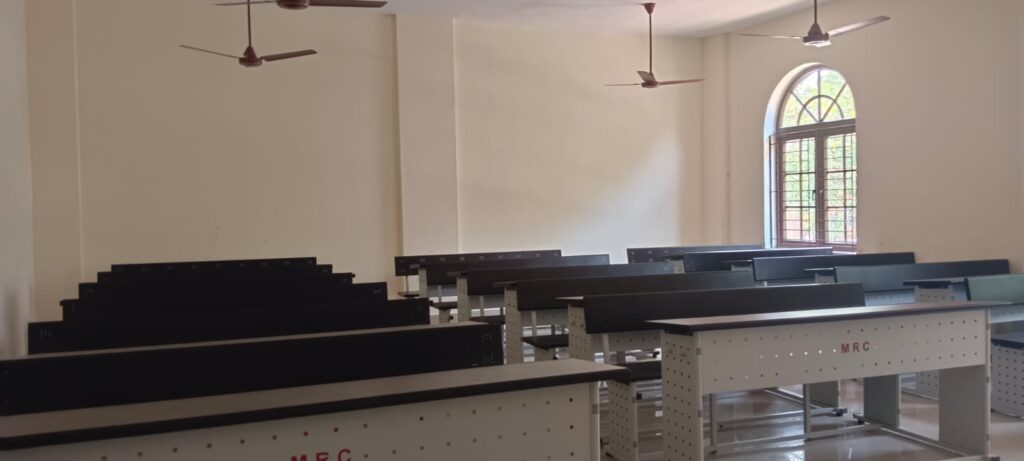
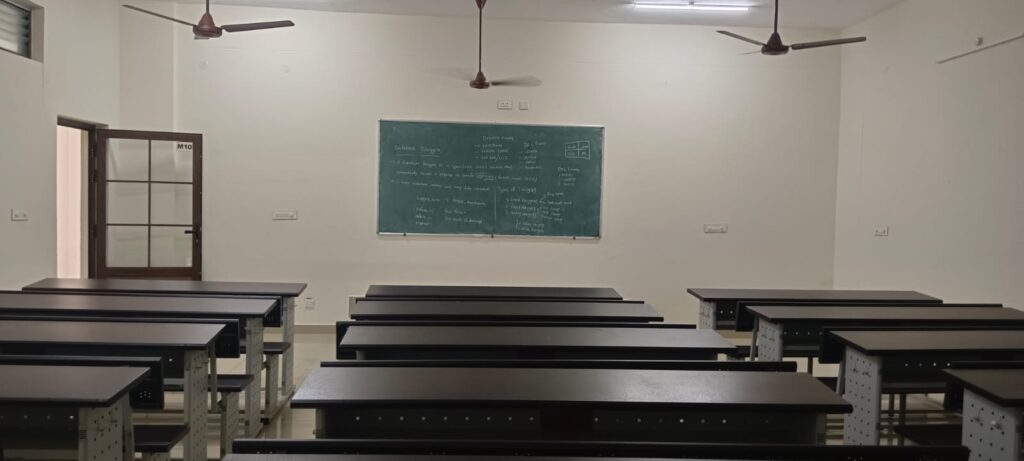
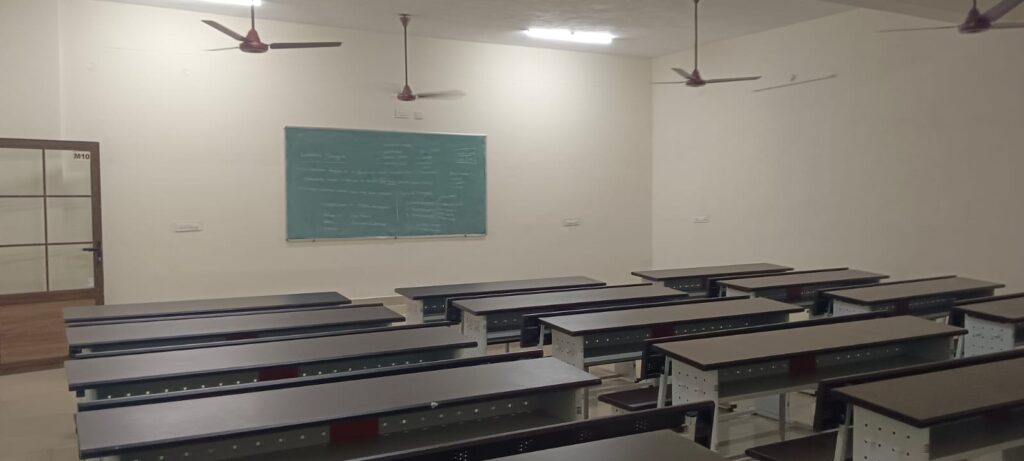
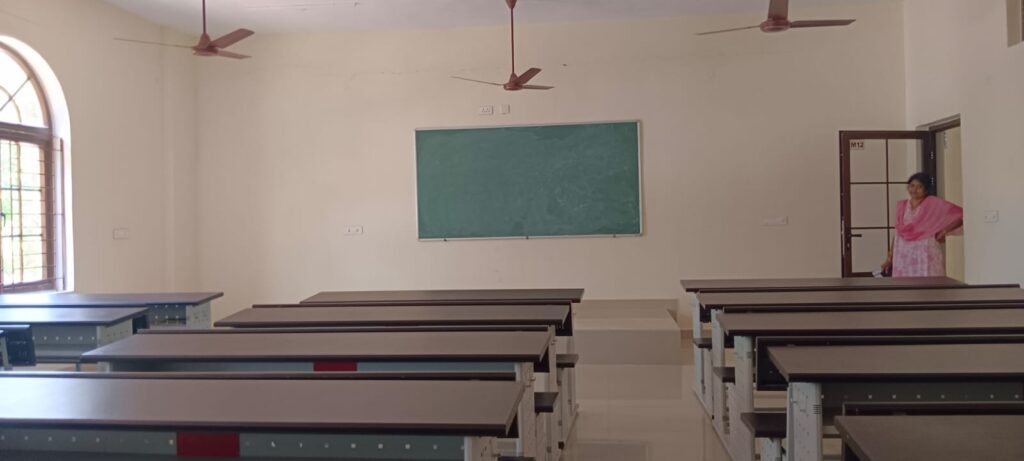
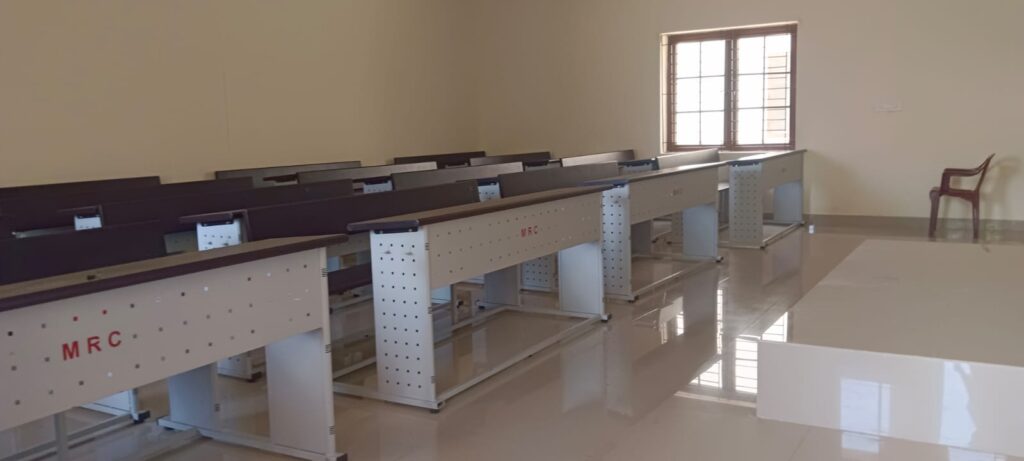
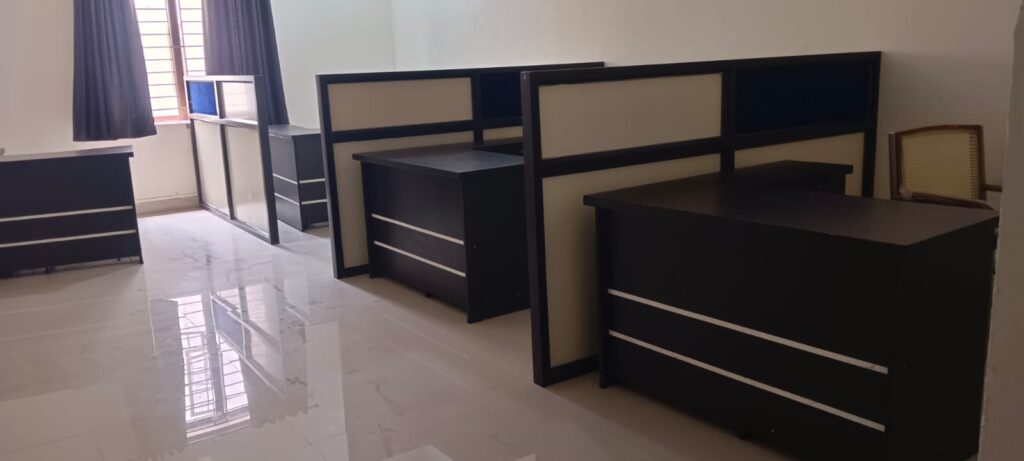
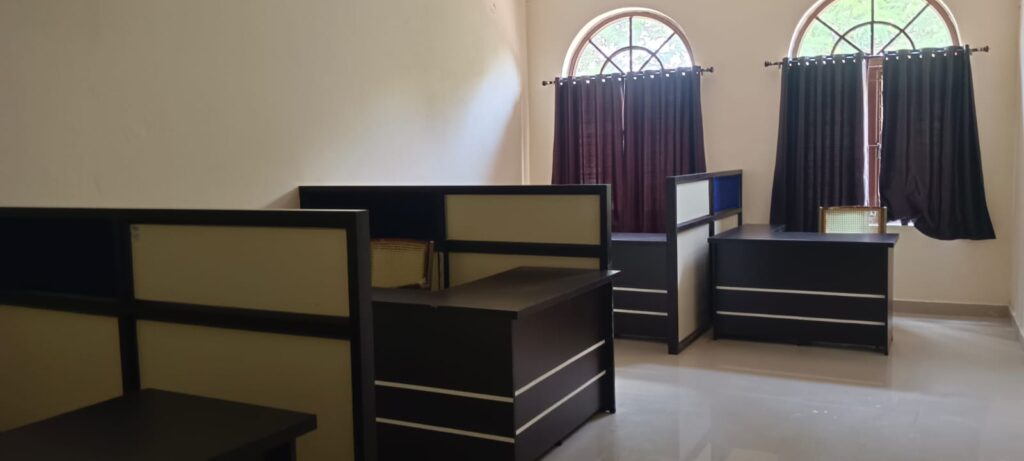
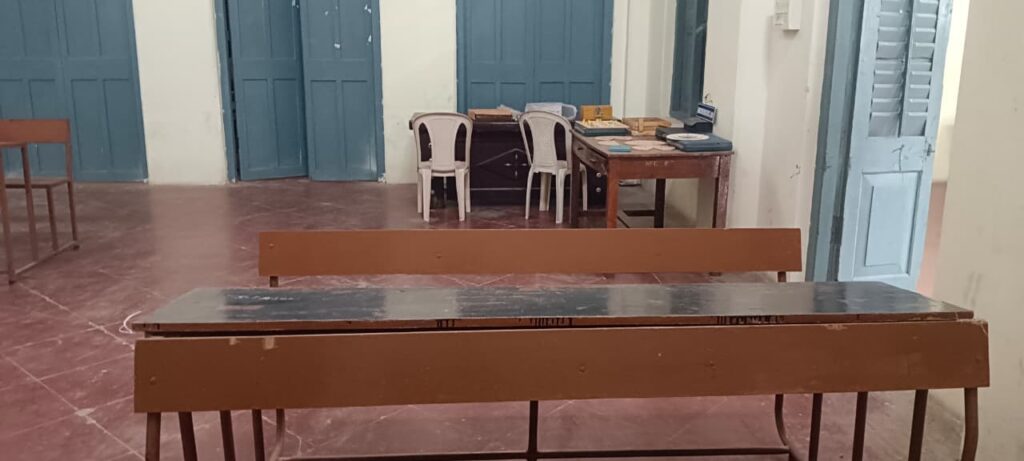
Within the confines of the college campus, there exist 12 classrooms specifically designated for the proposed 4-year Integrated Teacher Education Program(ITEP), equipped with essential facilities. These classrooms are designed to provide an optimal learning environment that fosters intellectual growth and pedagogical dominance. Each room is furnished with teaching resources and ample space to facilitate collaborative learning and innovative teaching practices. Each classroom is equipped with amenities such as proper ventilation, electrical provisions, and ample space for seating. The strategic layout of the classrooms optimizes interaction and collaboration, encouraging a dynamic exchange of ideas. In addition, the incorporation of natural light enhances the overall ambiance, promoting both well-being and creativity among learners.
Details of Academic Blocks
- Total Academic blocks allocated for ITEP : 05
- Total Class Rooms allocated for ITEP : 06
- Total Laboratories allocated for ITEP : 05
Details of Class Rooms
| S. No | Name of the Room | Dimensions (ft) (Length & Breadth) | Total Area(Sq ft) | Total Area(Sq m) |
| 1 | Class Room – 1 | 30×25 | 750 | 75.5 |
| 2 | Class Room – 2 | 30×25 | 750 | 75.5 |
| 3 | Class Room – 3 | 30×25 | 750 | 75.5 |
| 4 | Class Room – 4 | 30×25 | 750 | 75.5 |
| 5 | Class Room – 5 | 22×30 | 660 | 62.1 |
| 6 | Class Room – 6 | 22×30 | 660 | 62.1 |
Total | 4320 | 426.2 | ||
Library
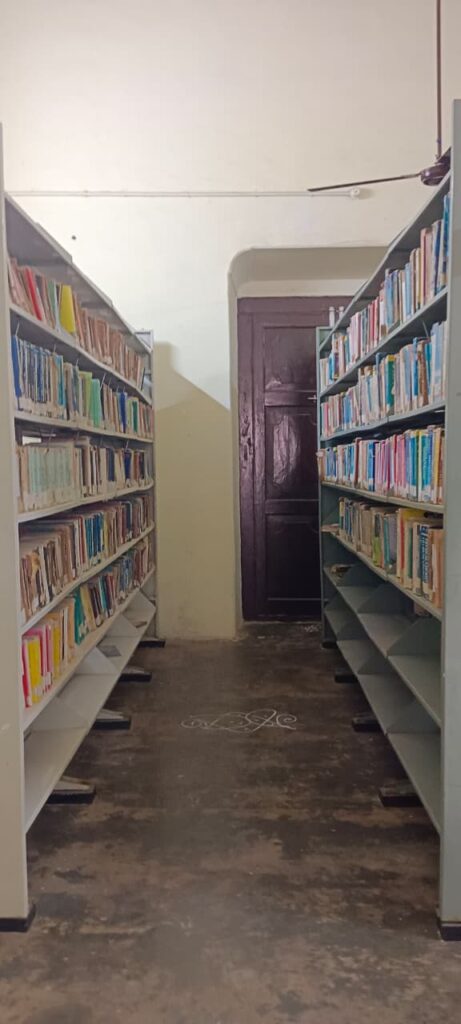
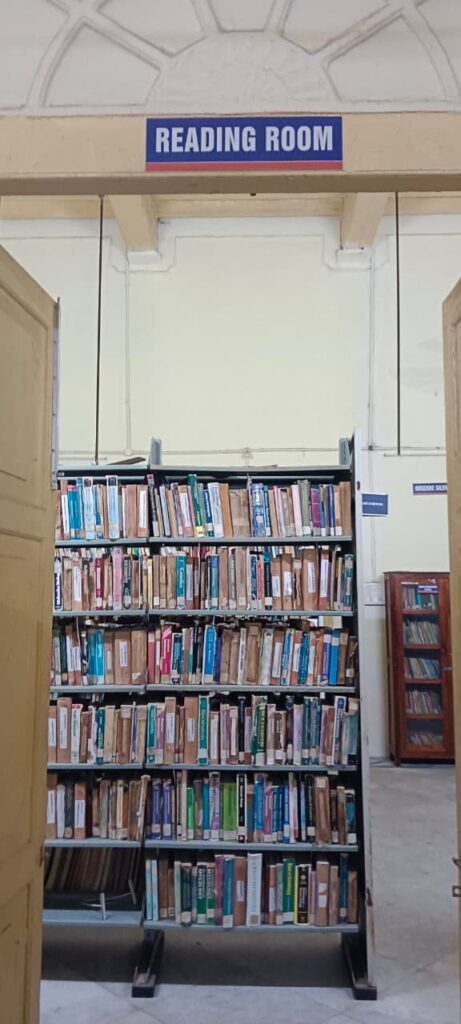
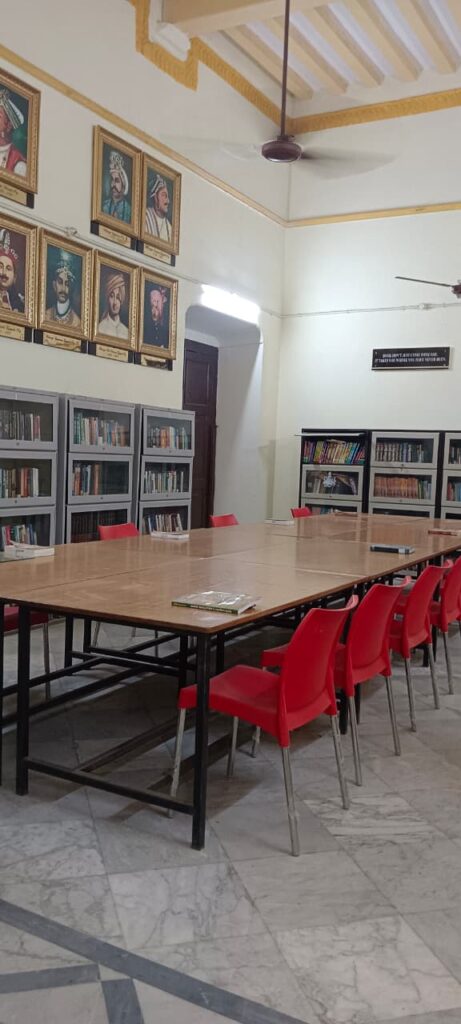
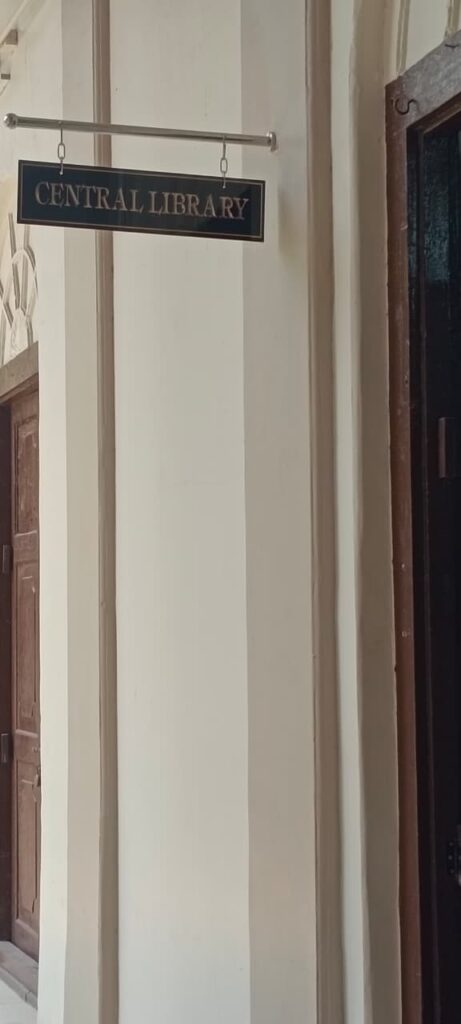
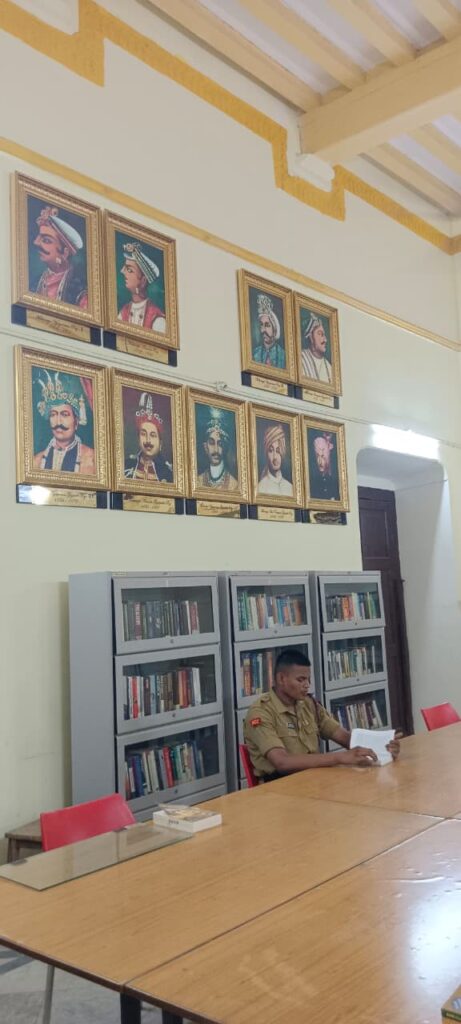
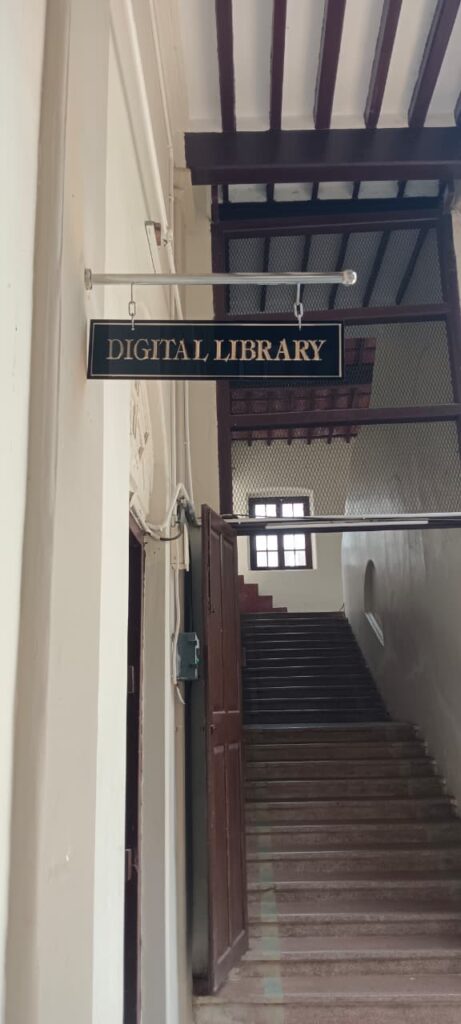
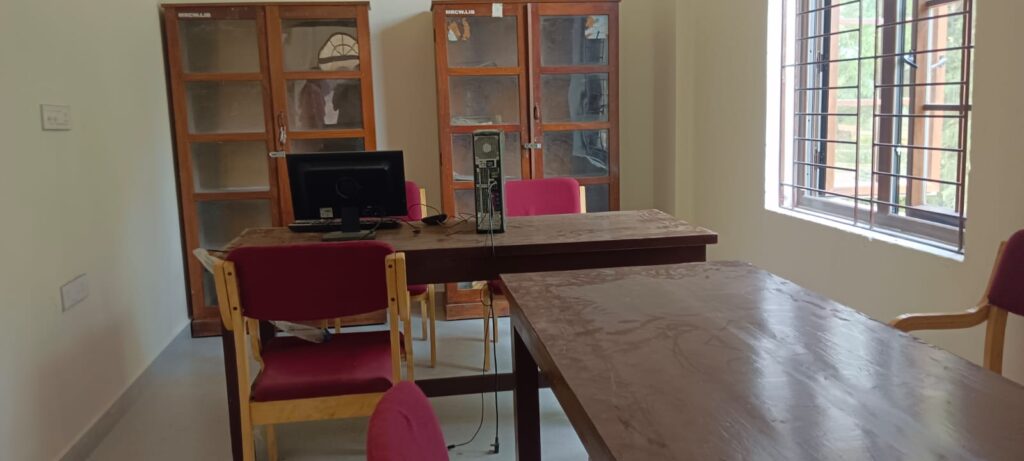
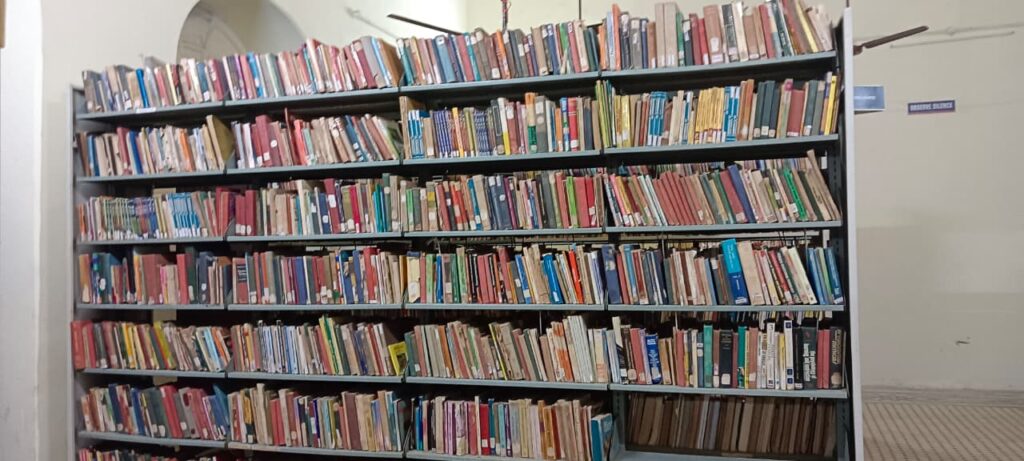
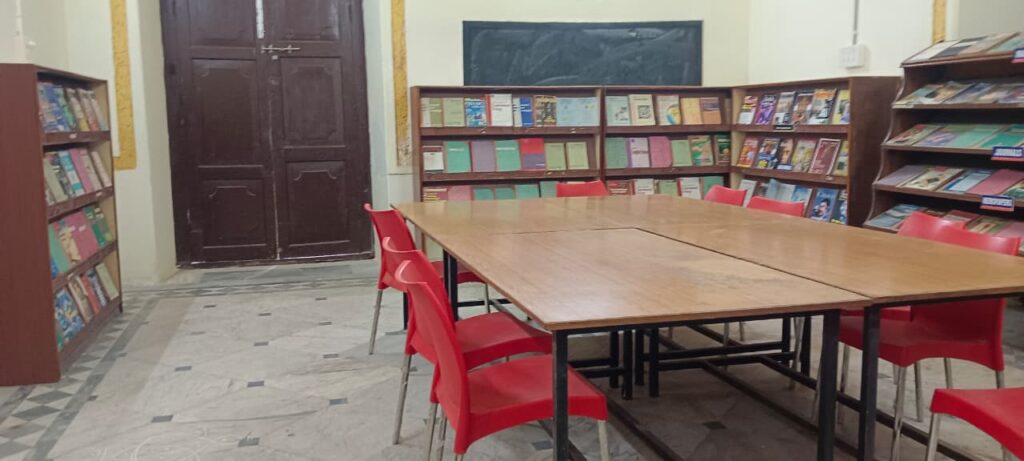
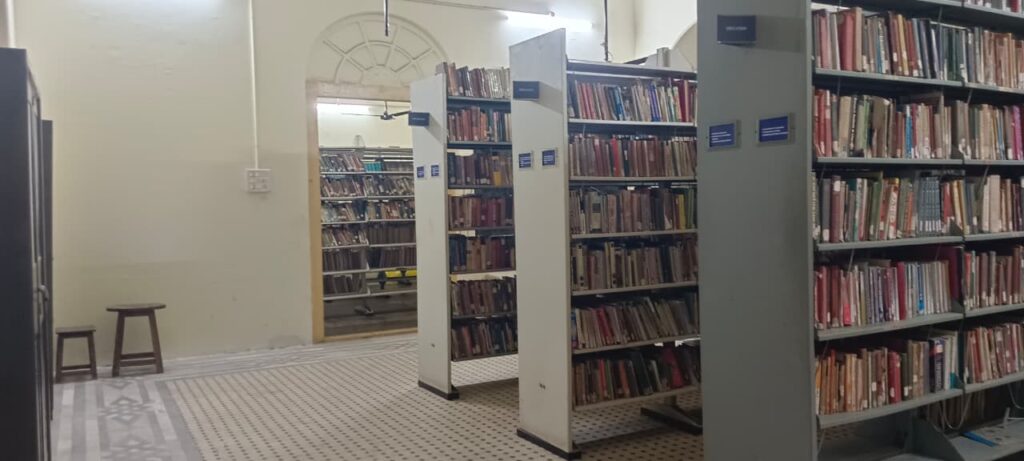
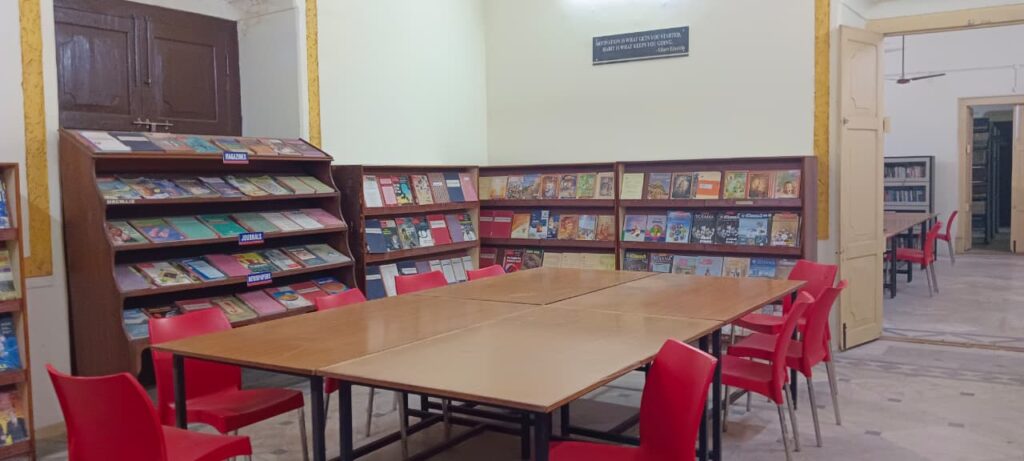
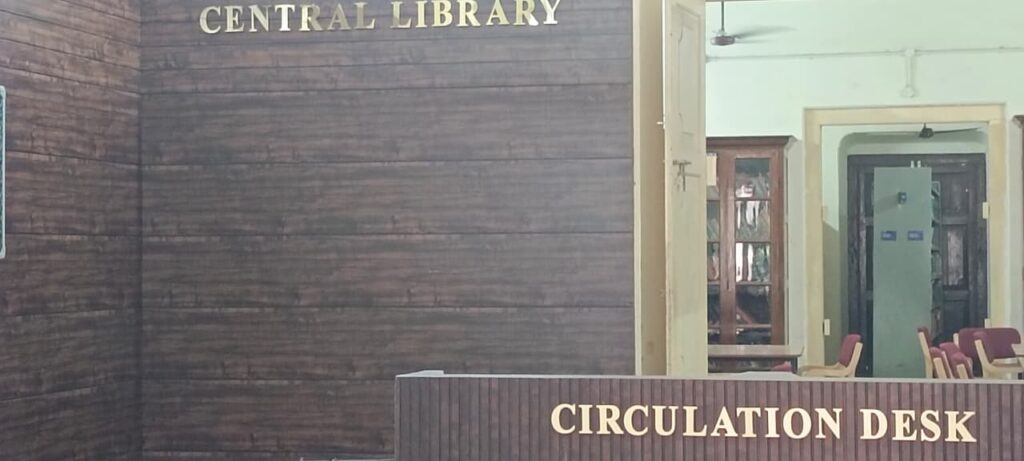
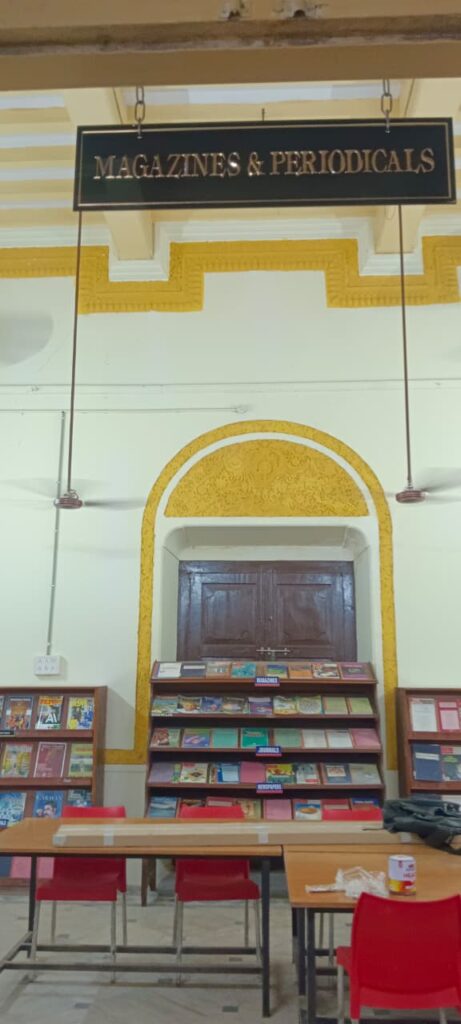
Library looks after the need for books in various disciplines including Science and Humanities. Reference books are displayed for reading within the premises. Central Library subscribes many current periodicals and their volumes. The following are the details of facilities and resources are available at Library.
1. | No. of Titles (Books) | : 5119 |
2. | No. of Volumes | : 7091+ |
3. | Reference Books | : 840 |
4. | No. of Journals (Nat/ Int) | : 02 |
5. | E- Books (NLIST) | : 80,409 |
6. | E- Journals (NLIST) | : 6,200 |
7. | Internet Bandwidth | : 100 Mbps |
8. | Magazines | : 28 |
9. | News Papers(Tel &Eng) | : 05 & 05 |
Physical Facilities:
S. No | Name of the Room | Dimensions (ft)(Length & Breadth) | Total Area(Sq ft) | Total Area(Sq m) |
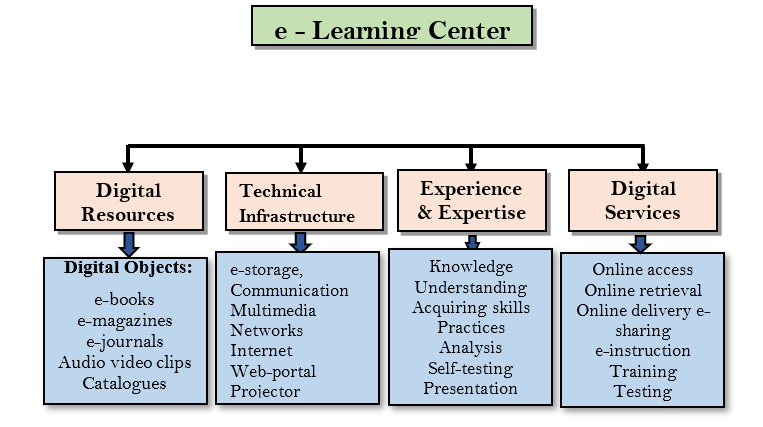
1 | E-Learning Section | 20×22 | 440 | 41 |
2 | Reading Room | 28×22 | 616 | 61 |
3 | Pedagogy Section | 22×20 | 440 | 41 |
S. No | Name of the Room | Dimensions (ft) (Length & Breadth) | Total Area(Sq ft) | Total Area(Sq m) |
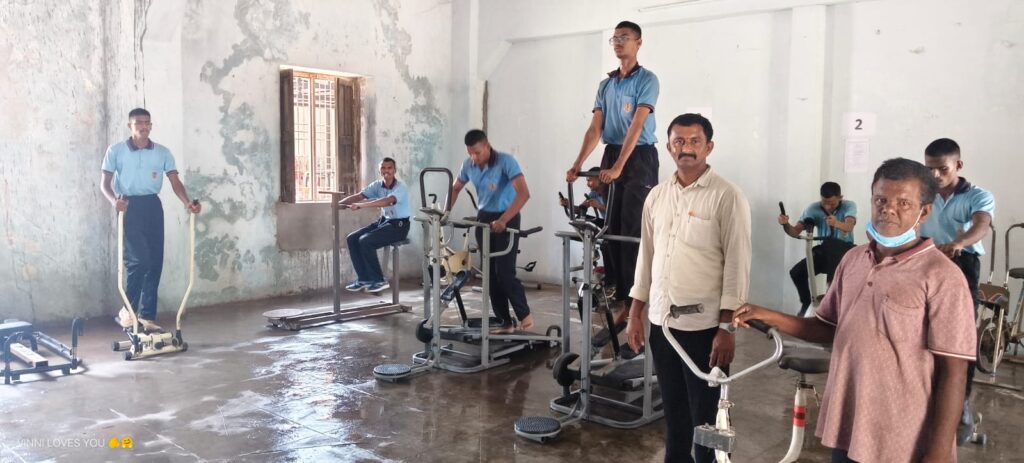
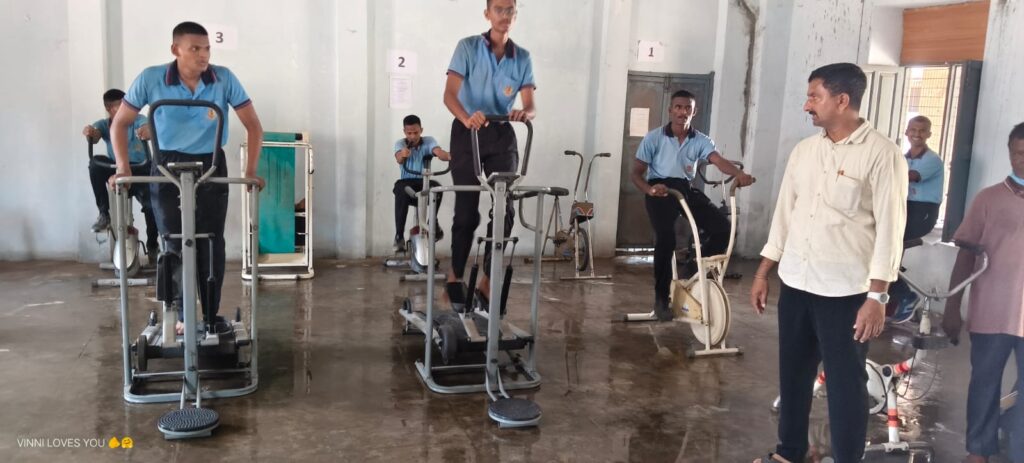
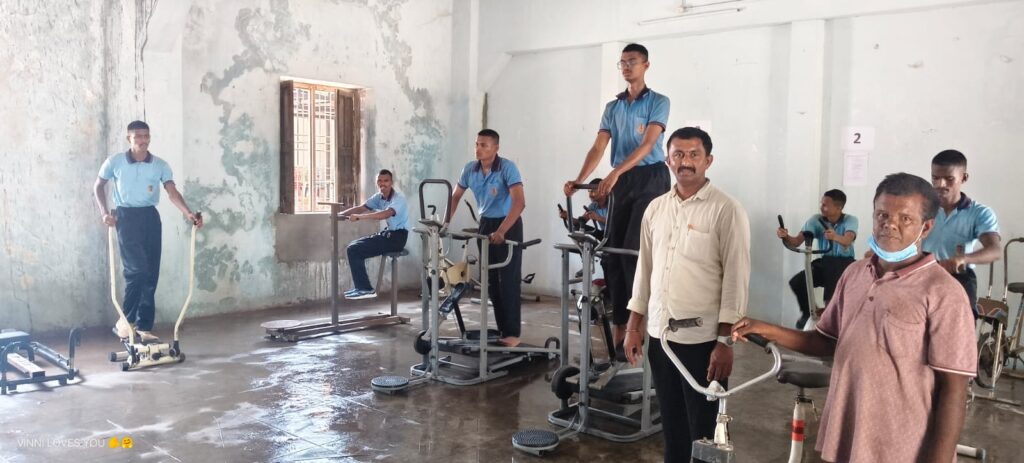
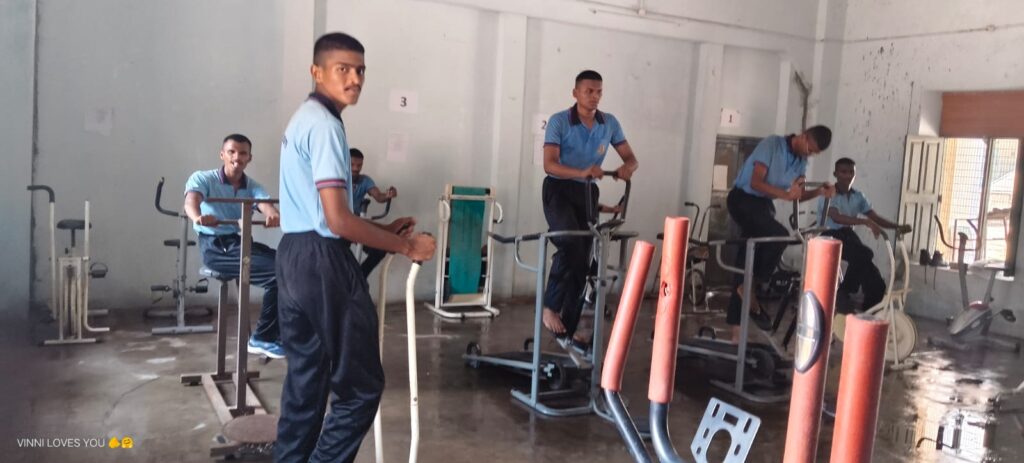
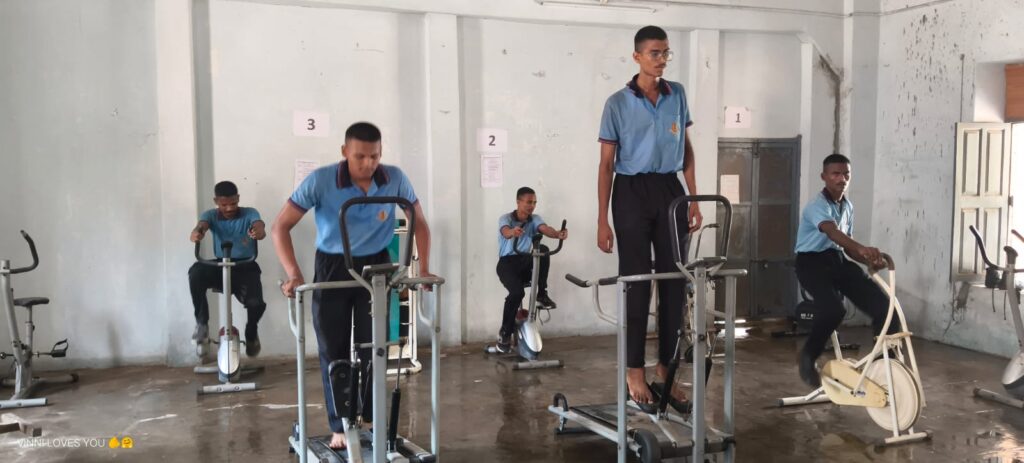
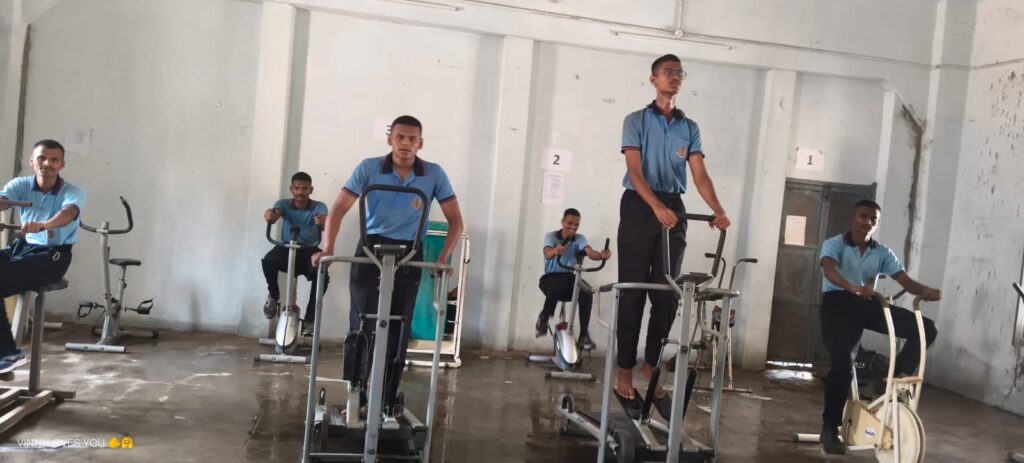
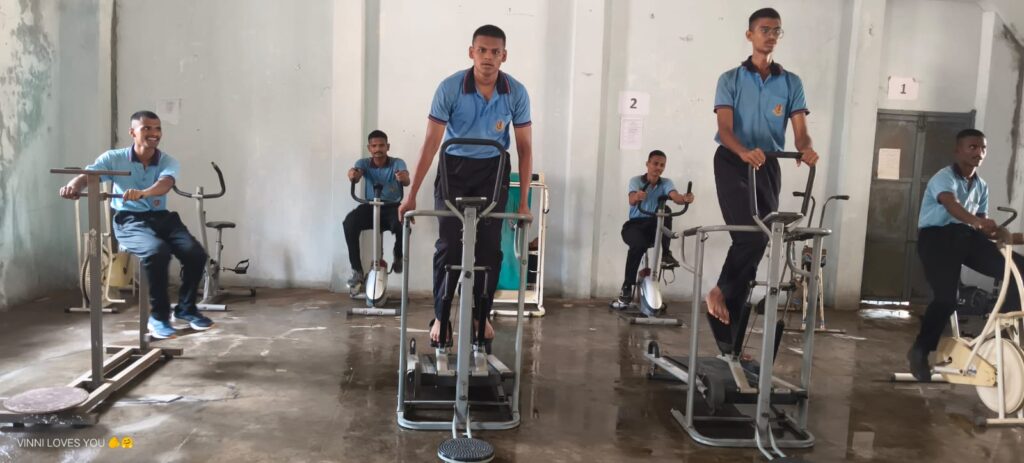
1 | Health and Physical Education | 30×27 | 810 | 75.03 |
S. No | Name of the Room | Dimensions (ft) (Length & Breadth) | Total Area(Sq ft) | Total Area(Sq m) |
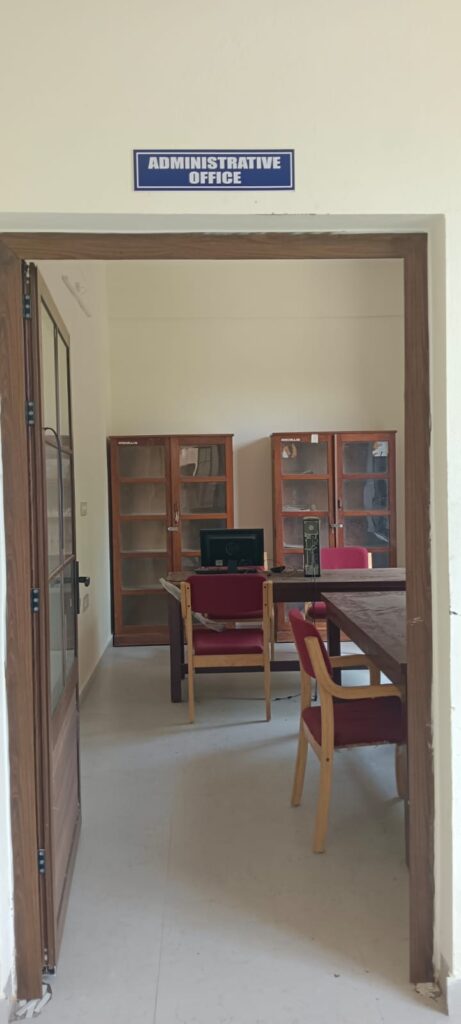
1 | Administrative Office | 16.1×9.1 | 146 | 15.87 |
S. No | Name of the Room | Dimensions (ft) (Length & Breadth) | Total Area(Sq ft) | Total Area(Sq m) |
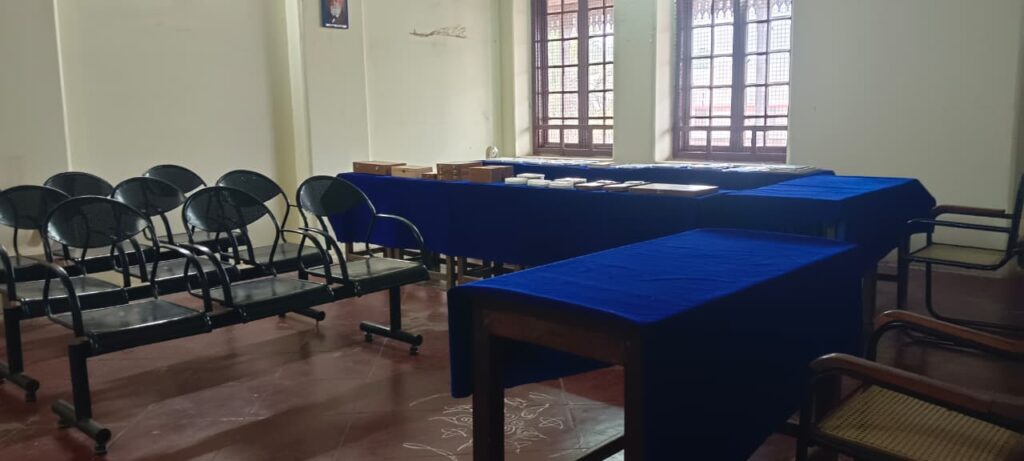
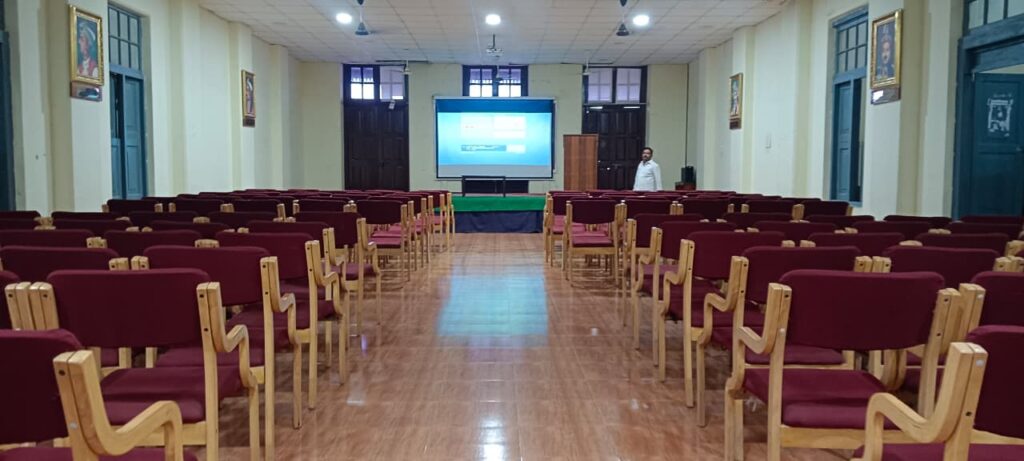
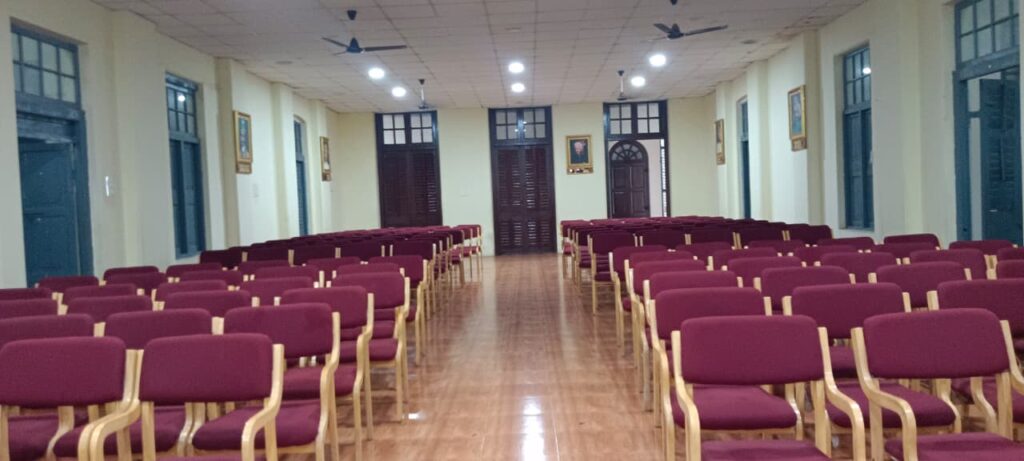
1 | Multi purpose Hall | 22×20 | 440 | 41 |
S. No | Name of the Room | Dimensions (ft) (Length & Breadth) | Total Area(Sq ft) | Total Area(Sq m) |
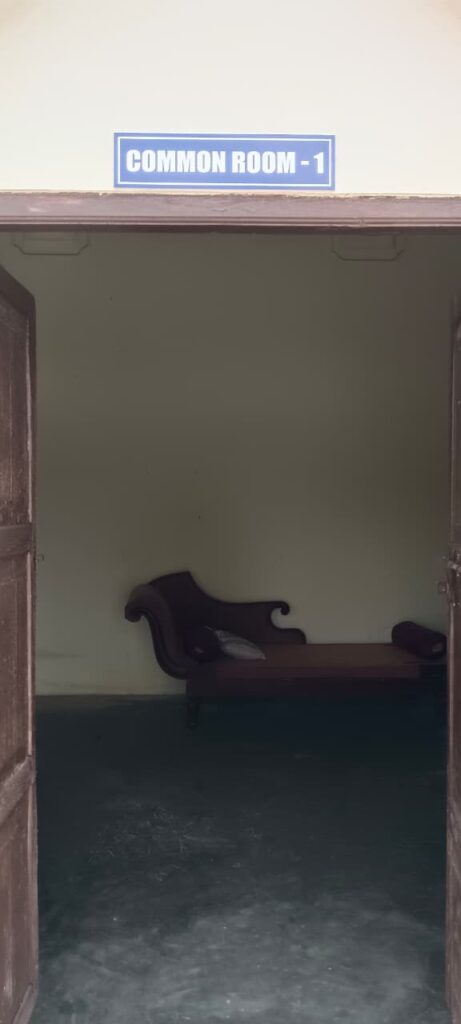
1 | Common Room | 22×20 | 440 | 41 |
S. No | Name of the Room | Dimensions (ft) (Length & Breadth) | Total Area(Sq ft) | Total Area(Sq m) |
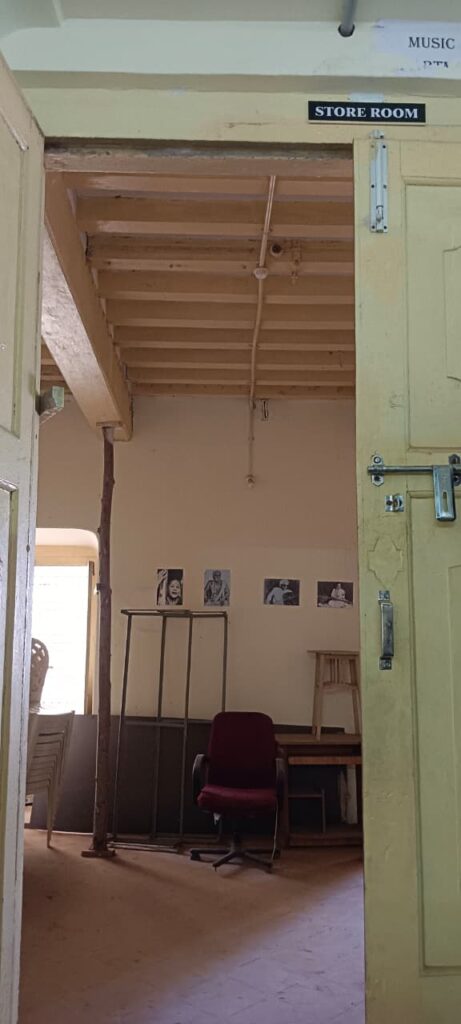
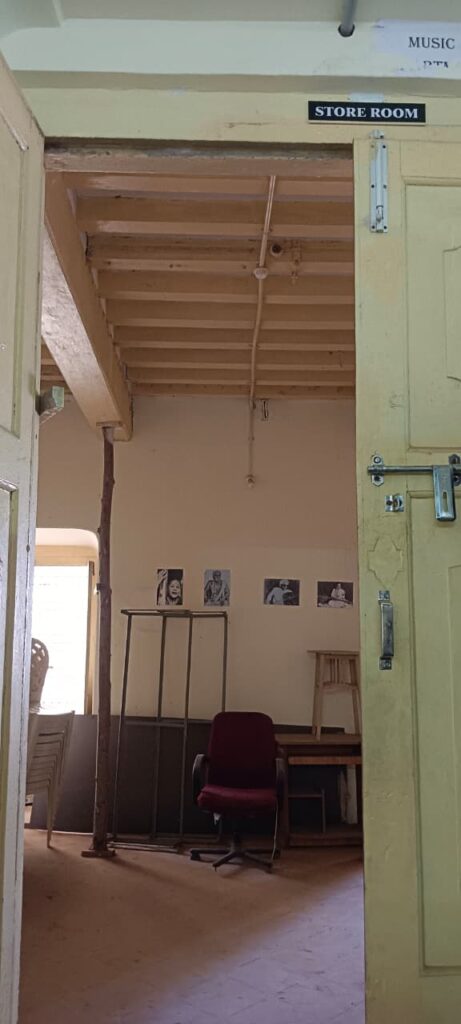
1 | Store room | 22×20 | 440 | 41 |
| S. No | Name of the Room | Dimensions (ft) (Length & Breadth) | Total Area(Sq ft) | Total Area(Sq m) |
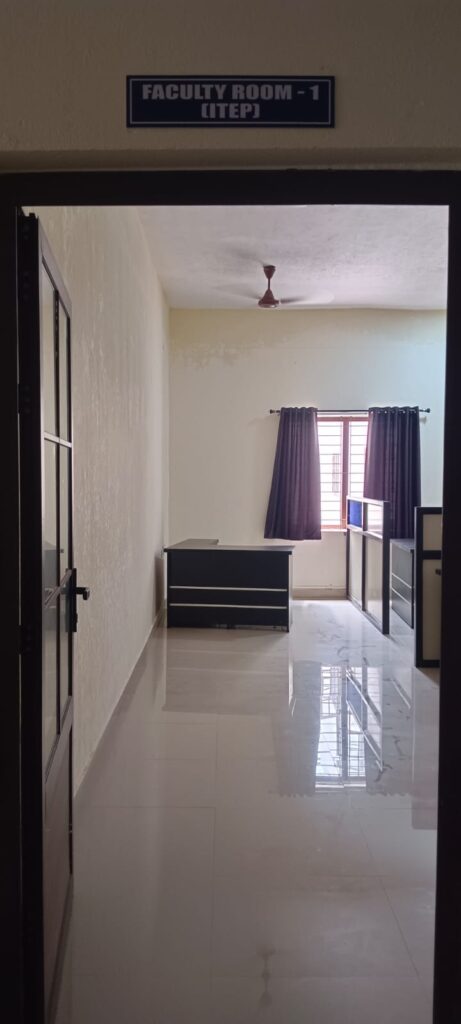
| 1 | Faculty room – 1 | 14 x 25 | 360 | 29 |
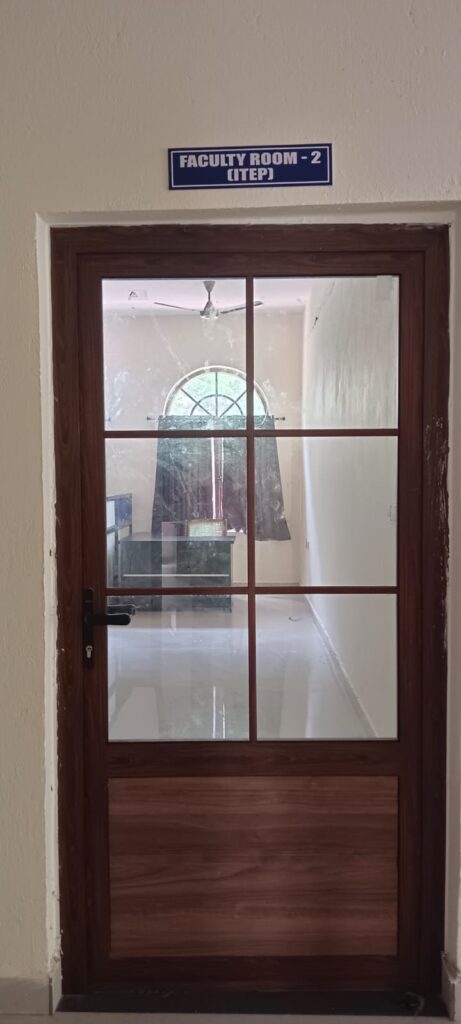
| 2 | Faculty room – 2 | 14 x 25 | 360 | 29 |
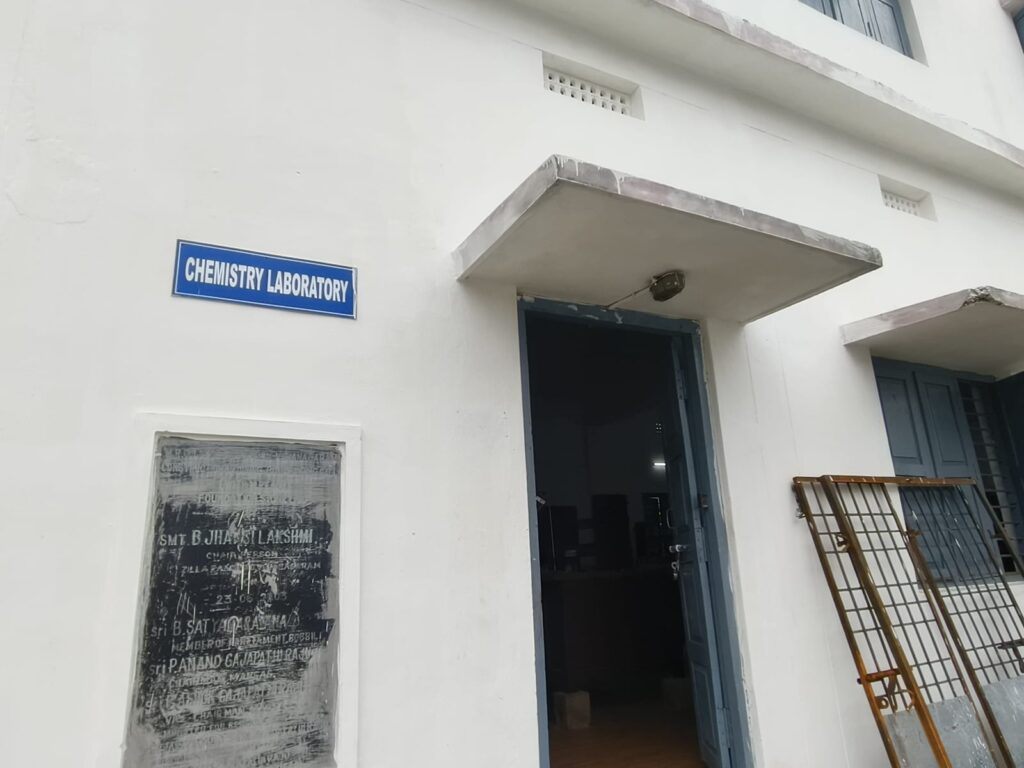
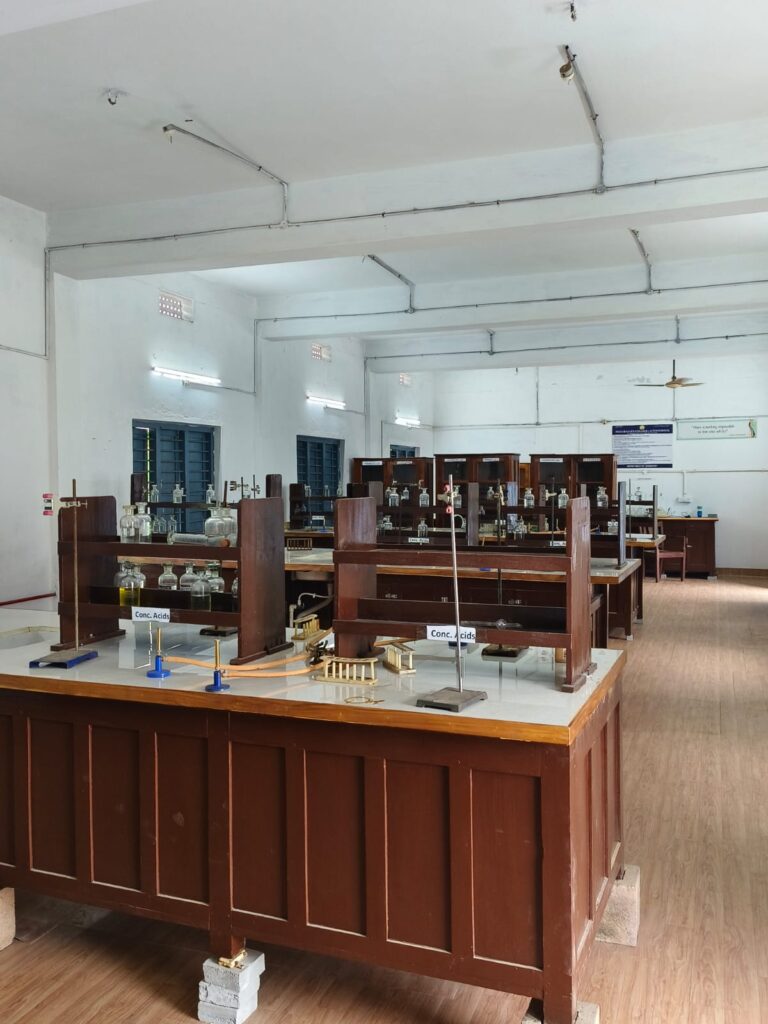
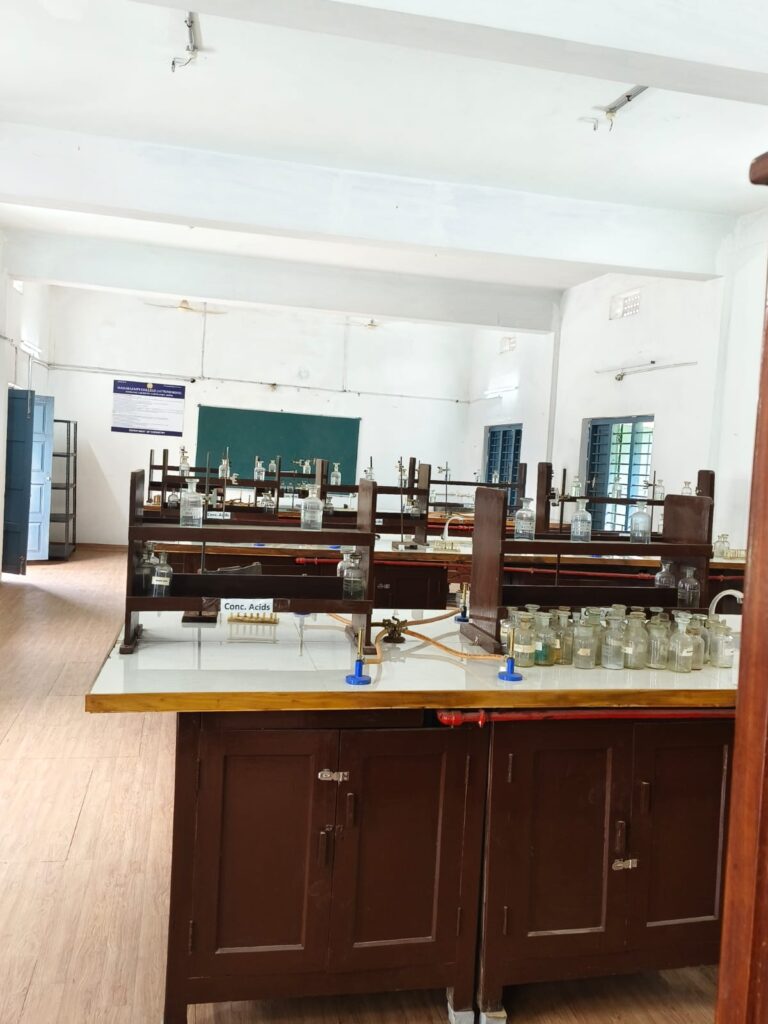
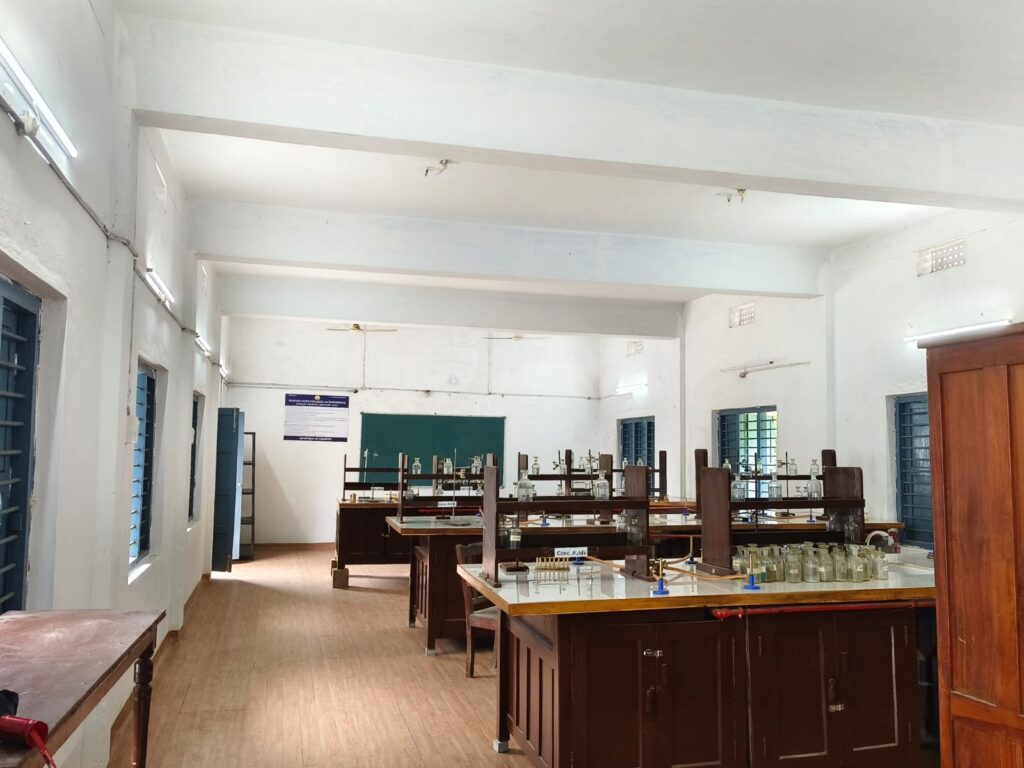
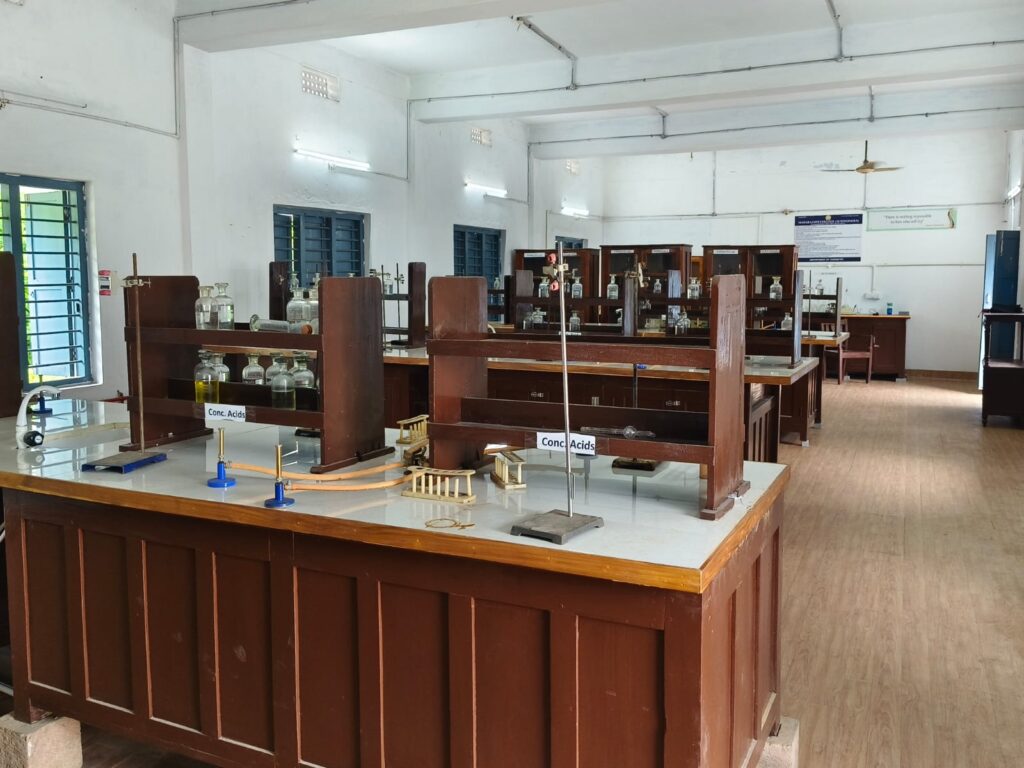
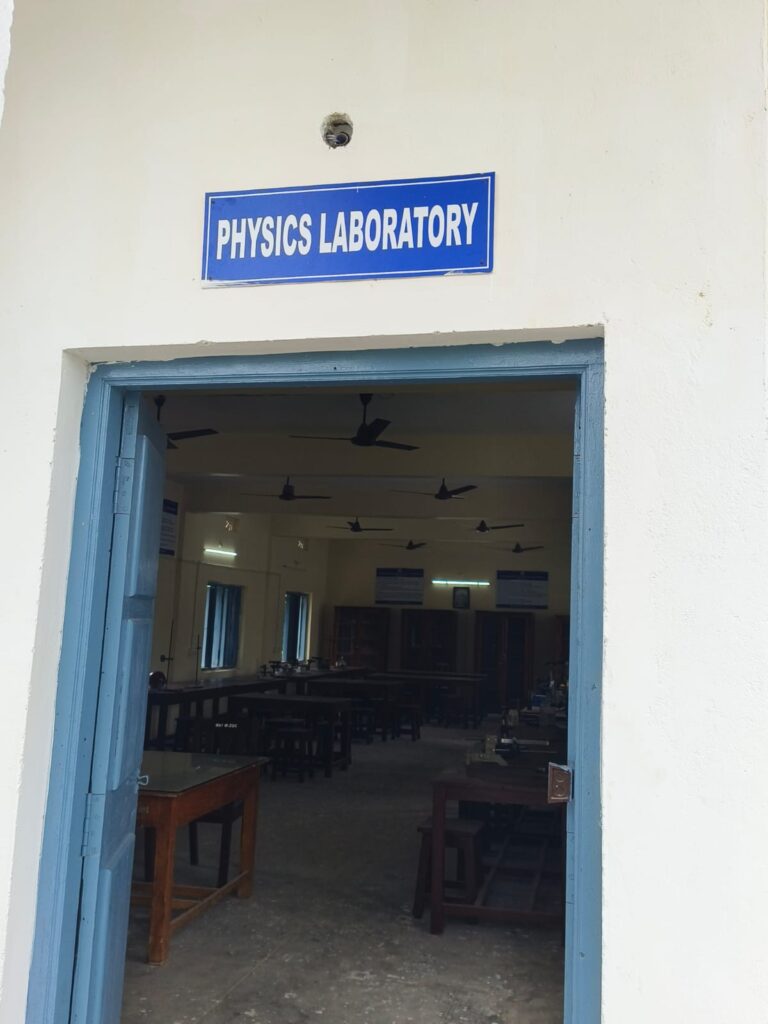
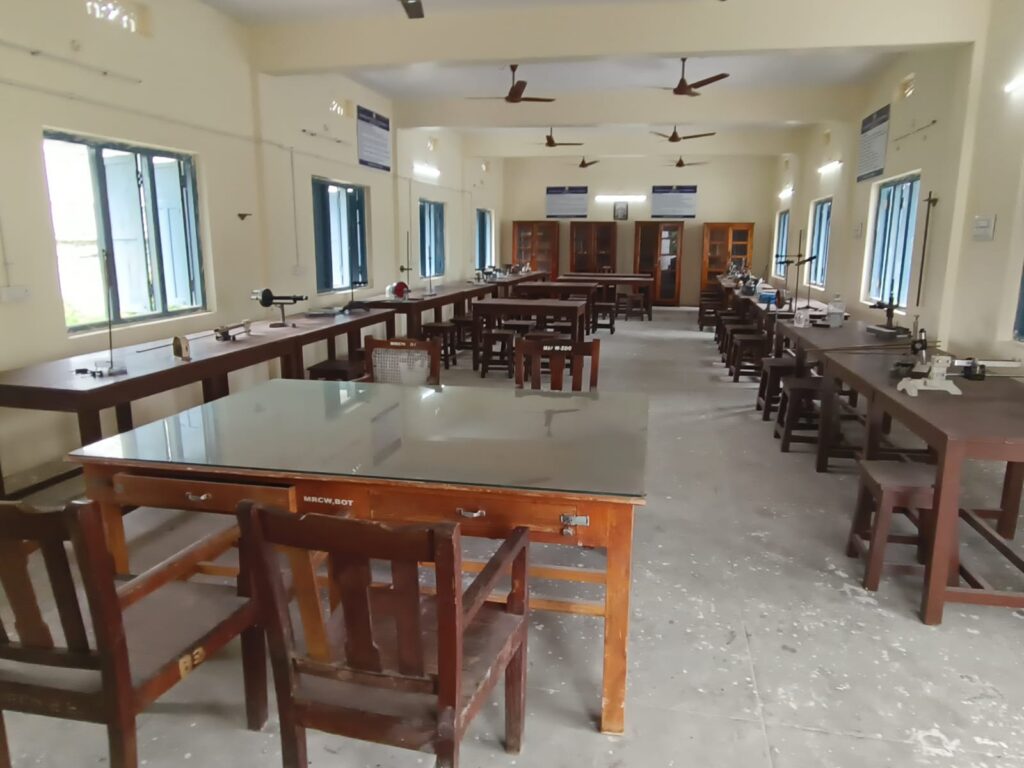
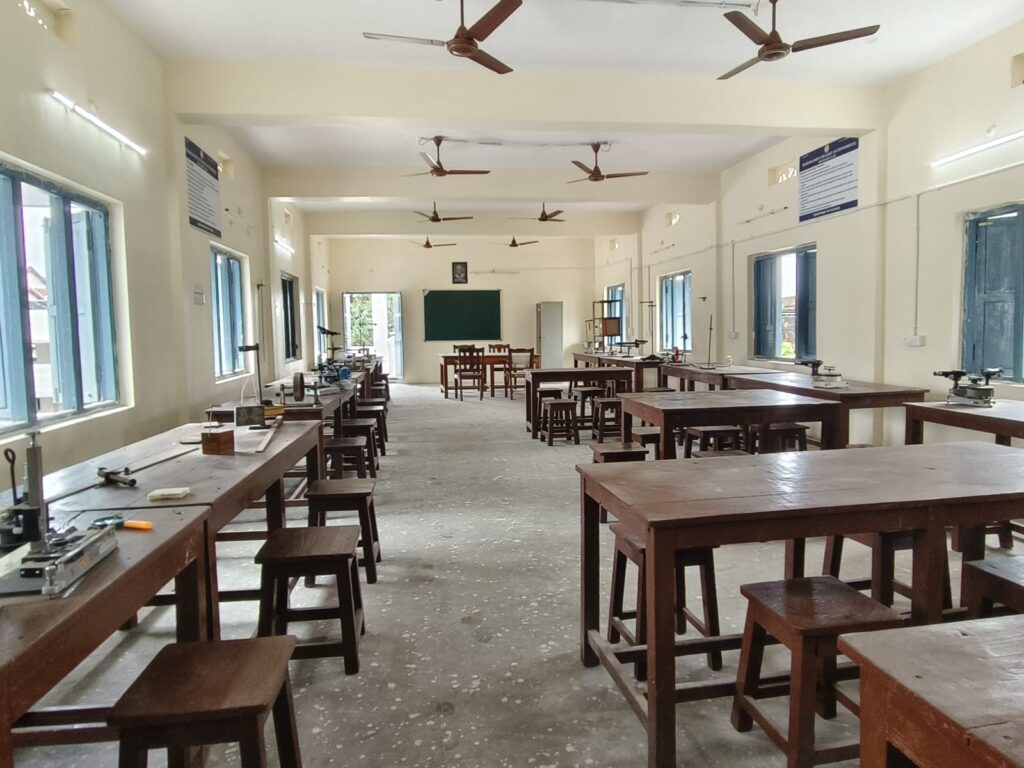
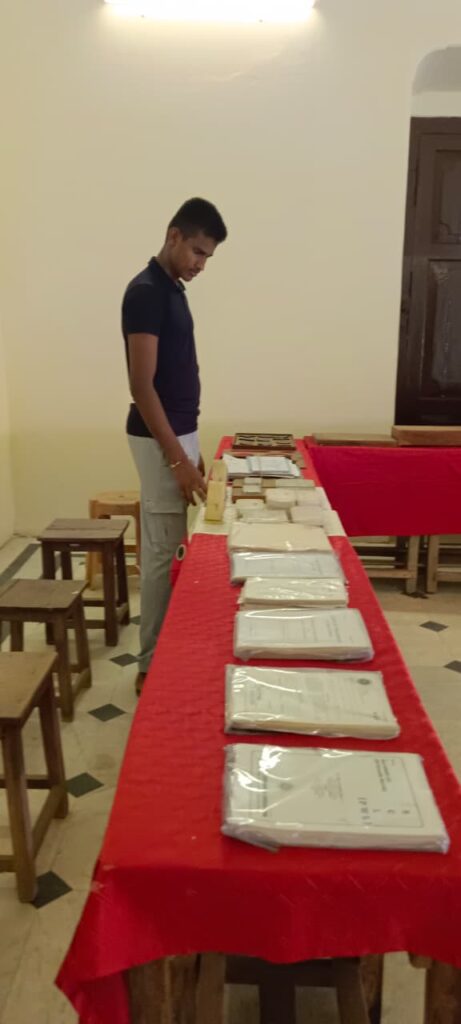
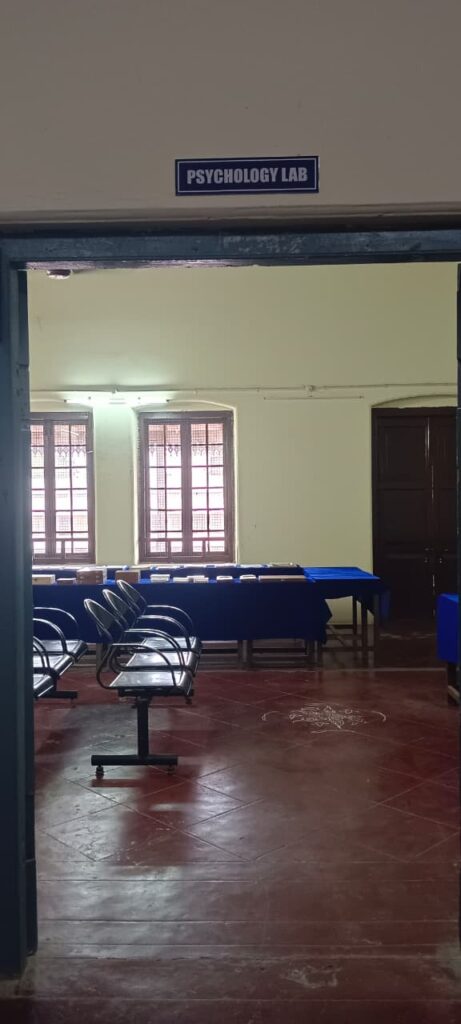
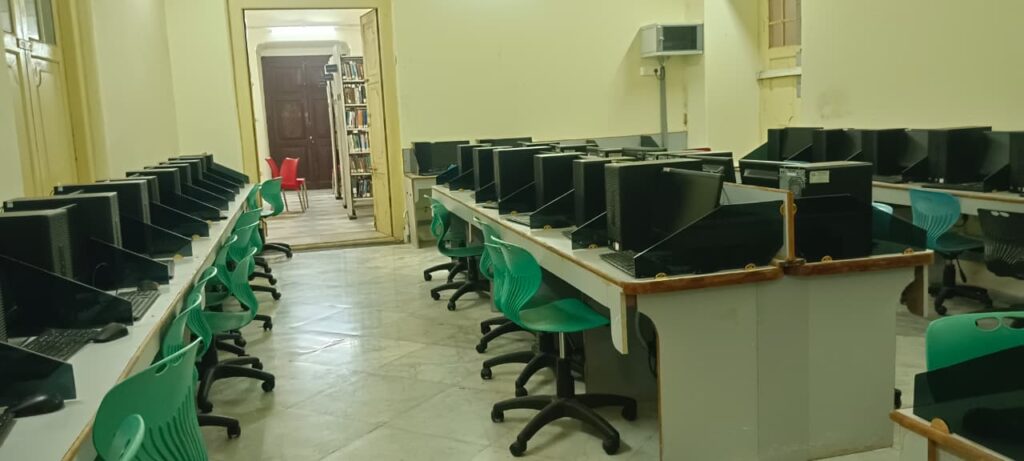
The college is equipped with specialized laboratories dedicated to disciplines such as Physics, Chemistry, Mathematics, and Psychology, each meticulously provisioned with state-of-the-art facilities and comprehensive apparatus for conducting experiments.
S. No | Name of the Room | Dimensions (ft) (Length & Breadth) | Total Area(Sq ft) | Total Area(Sq m) |
1 | Chemistry Lab | 53×20 | 1060 | 98 |
S. No | Name of the Room | Dimensions (ft)(Length & Breadth) | Total Area(Sq ft) | Total Area(Sq m) |
1 | Physics Lab | 53×20 | 1060 | 98 |
S. No | Name of the Room | Dimensions (ft) (Length & Breadth) | Total Area(Sq ft) | Total Area(Sq m) |
1 | Psychology Lab | 23×20 | 460 | 43 |
S. No | Name of the Room | Dimensions (ft) (Length & Breadth) | Total Area(Sq ft) | Total Area(Sq m) |
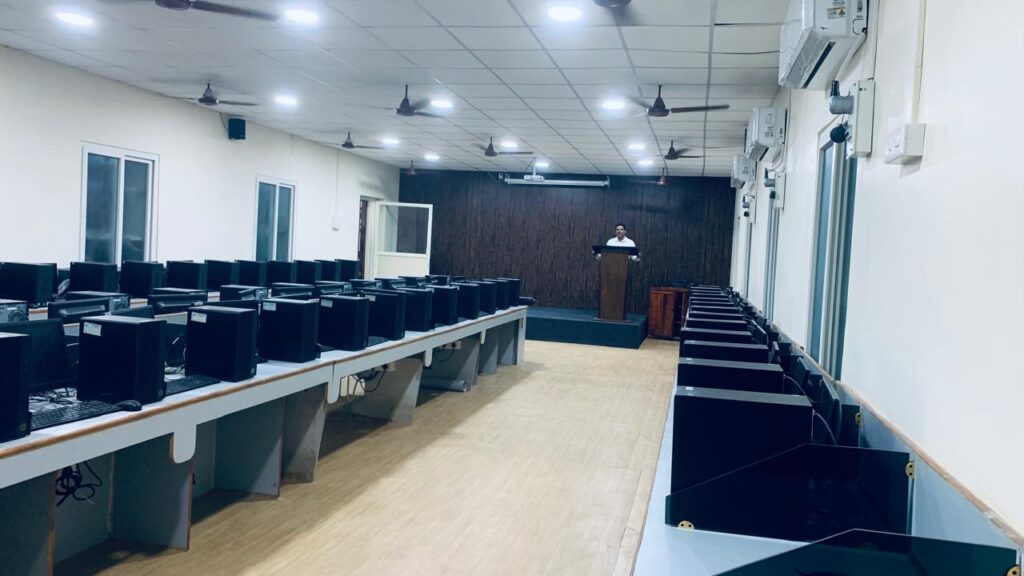
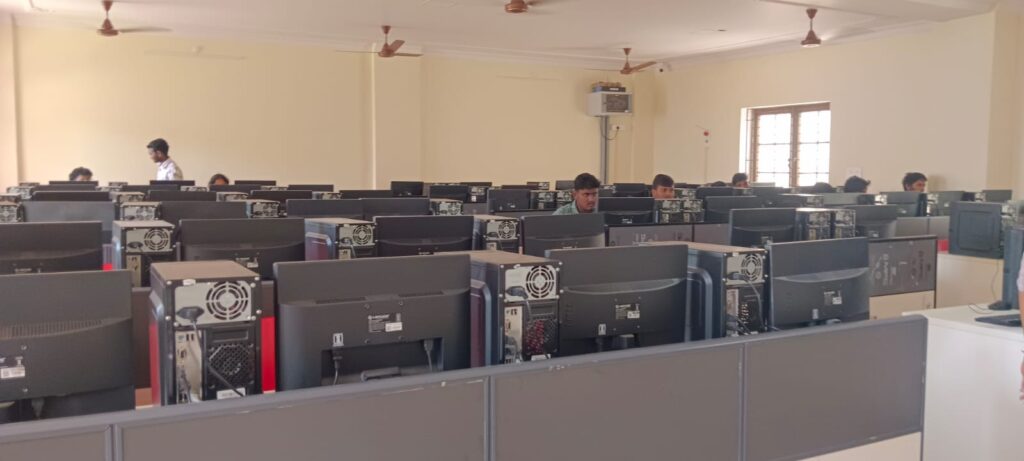
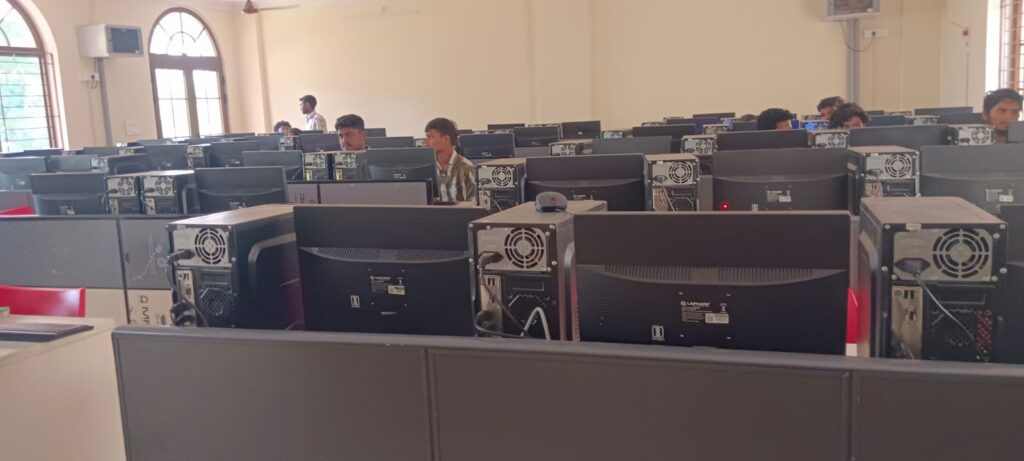
1 | ICT Room | 36×30 | 1080 | 101.20 |
S. No | Name of the Room | Dimensions (ft) (Length & Breadth) | Total Area(Sq ft) | Total Area(Sq m) |
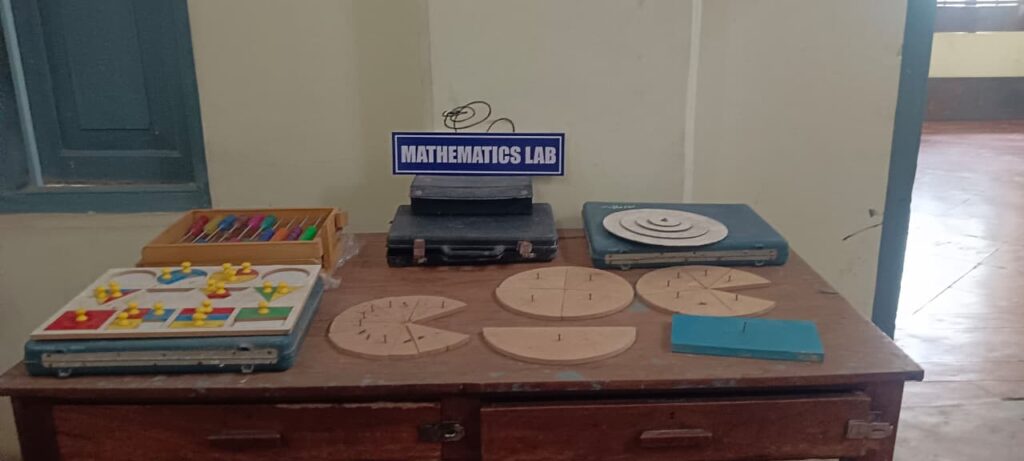
1 | Mathematics Methodology Lab | 22×20 | 440 | 41 |