
08922 222001

principalmrac@gmail.com

eCAP

ePay

Div Blinking

Department of Education

(Integrated teacher Education program)

PROGRAM/COURSE

The National Education Policy 2020 highlights, “Teacher education is vital in creating a pool of school teachers that will shape the next generation. Teacher preparation is an activity that requires multidisciplinary perspectives and knowledge, formation of dispositions and values, and development of practice under the best mentors. Teachers must be grounded in Indian values, languages, knowledge, ethos, and traditions including tribal traditions, while also being well- versed in the latest advances in education and pedagogy”.

  • Four-Year Integrated Teacher Education Programme (ITEP)

    “Recognizing that the teachers will require training in high-quality content as well as pedagogy, teacher education will gradually be moved by 2030 into multidisciplinary colleges and universities”. The 4-year integrated B.Ed. offered by such multidisciplinary HEIs will, by 2030, become the minimal degree qualification for school teachers. The 4-year integrated B.Ed. will be a dual-major holistic bachelor's degree, in Education as well as a specialized subject such as a language, history, music, mathematics, computer science, chemistry, economics, art, physical education, etc. Beyond the teaching of cutting-edge pedagogy, the teacher education will include grounding in sociology, history, science, psychology, early childhood care and education, foundational literacy and numeracy, knowledge of India and its values/ethos/art/traditions, and more”

  • Main Features of ITEP

    The four-year Integrated Teacher Education Programme (ITEP) envisions the creation of passionate, motivated, qualified, professionally trained, and well-equipped teachers capable of designing and implementing developmentally appropriate learning experiences for students at different stages of school education. The ITEP seeks to ensure that the prospective teachers are given the highest quality education in content, pedagogy, values, and practice.

  • Broad Structure of ITEP

    The ITEP is of four years duration across eight semesters of study. It is a dual-major bachelor's degree programme, with one major in Education and the other in a disciplinary/interdisciplinary branch of knowledge. In addition, the programme seeks to develop among student-teachers an ethic of social engagement, and capacities such as problem solving, critical thinking, creative thinking, communication skills, ethical and moral reasoning etc. that are necessary for preparing competent teachers.

Multiple Entry and Exit, and Re-entry Options

 The ITEP envisages multiple entry and exit points and re-entry options, with appropriate certifications. Student-teachers who wish to exit after completion of one year (two semesters) of study will be given a Certificate indicating the credits accrued for the courses pursued. Student-teachers who wish to exit after completion of two years (four semesters) will be given a Diploma indicating the credits accrued for the courses completed. Student-teachers who wish to exit after successful completion of three years (six semesters) will be awarded a Bachelor’s Degree in the chosen Major area of study upon securing a minimum of 120 credits and satisfying the minimum credit requirements of 48 credits for the Major. Student-teachers who successfully complete four years (eight semesters) of study will be awarded a dual-major bachelor’s degree such as B.A.B.Ed. Or B.Sc.B.Ed. or B.Com.B.Ed. etc. upon securing a minimum of 160 credits, including a minimum of 80 credits for the first major (i.e. in education), and a minimum of 48 credits for the second major (i.e., in a disciplinary/interdisciplinary area relating to one of the curricular areas in school education).

Eligibility/Entry Requirements:

A Certificate obtained after successful completion of Grade 12 (or equivalent stage of education such as Pre-University, Intermediate, etc.) with a minimum of 50% marks in aggregate or an equivalent grade from a recognized Board/University

MANSAS as a pioneering society which focus on establishment of the college of education in the year 1950. Taking into congruence the spirit of NCTE which advocated the policy that educated as a program integrated with a degree would be beneficial instead offering it is in isolation from the core degree, the society closed its 70-year-old M.R. College of Education paving way for the introduction of the present 4-year integrated B.Ed. Program

Outcomes-based Approach of ITEP

The ITEP envisages an outcome-based approach to education. This implies an increased focus on the Graduate Attributes to be demonstrated by the student-teachers, and the achievement by student-teachers of the learning outcomes associated with each of the curricular components and the courses of study relating to these components. Graduate attributes indicate the quality and feature or characteristics of a student-teacher, including the knowledge, capacities, and values and dispositions that are expected to be demonstrated by a graduate of the ITEP. They include capacities that help student-teachers widen their current knowledge base, gain new knowledge and competencies, undertake further studies, perform well as a teacher, and play a constructive role as a responsible citizen in the society. Graduate attributes reflect learning outcomes that are specific to each of the curricular components and courses of study, and generic learning outcomes that graduates of all Stage-Specific ITEP should achieve and be able to demonstrate. Graduate attributes are acquired and fostered incrementally through the totality of learning experience made available to a student-teacher, the college/university experience, and through a process of critical and reflective thinking.

The Integrated Teacher Education Programme (ITEP) has a four-year, dual-major structure that integrates teacher education with a disciplinary degree. Its curricular structure includes a two-week induction program, foundational and stage-specific content-cum-pedagogy courses, ability enhancement and value-added courses, school experience components like practice teaching and internship, and community engagement activities. This holistic approach prepares teachers to be skilled professionals with strong ethical grounding, social awareness, and the ability to meet the diverse needs of 21st-century learners.  

CURRICULAR STRUCTURE OF INTEGRATED TEACHER EDUCATION PROGRAMME (ITEP)

The Stage-Specific ITEP will be organized according to the semester pattern, which is two semesters in an academic year. Each semester will consist of 15 -16 weeks of teaching-learning activities. The ITEP comprises the following seven curricular components: 

  1. Curricular Components
  2. Foundations of Education
  3. Disciplinary/Interdisciplinary Courses
  4. Stage-Specific Content-Cum-Pedagogy
  5. Ability Enhancement and Value-Added Courses
  6. School Experience
  7. Community Engagement and Service

Curricular Components

  • The Integrated Teacher Education Programme (ITEP) curriculum has four main components: 
    • A disciplinary or interdisciplinary major,
    • A minor in education
    • A focus on Indian knowledge systems and values, and
    • Practical training like internships and community engagement.
  • The curriculum is designed to prepare versatile teachers with subject-specific expertise and strong pedagogical skills, emphasizing inclusivity, digital literacy, and foundational learning.

Foundations of Education

    • Courses relating to foundations of education are critical to the professional preparation of teachers.
    • These courses draw upon the disciplines of philosophy, sociology, psychology, history, economics, political science, and education policy studies.
    • A deep engagement with these areas of study is a necessary condition for a teacher to have the ability to make good educational judgments.
    • The courses seek to provide an orientation on the main factors which influence the structure and organization of various aspects of education and teacher education such as the objectives of education, expected competencies and learning outcomes, curricular structure and components, pedagogical practices, and methodologies and procedures relating to learning assessment and evaluation of overall student performance etc.
    • These courses also seek to enable student-teachers to develop an understanding of the different perspectives on education, the profession of teaching, and human knowledge and learning.
    • These courses enable prospective teachers to develop an understanding of the theoretical, conceptual, and policy-related underpinnings of the educational enterprise and its various curricular and instructional approaches.

Disciplinary/Interdisciplinary Courses

  • Much of the focus of teachers’ work lies in the teaching of subjects prescribed for and/or opted for study by school students.
  • For subject teaching to be meaningful, teachers need to possess deep knowledge and profound understanding of the conceptual structures and practice relating to a subject of study.
  • The ITEP aims to prepare student-teachers to be able to place the subject matter they teach in a wider perspective of human knowledge, its modes of construction and justification as well as its impact on human societies.
  • The ITEP provides student-teachers opportunities to pursue rigorous specialization through a chosen Major (48 Credits or 64 Credits) in a discipline associated with one of the curricular areas in the school education curriculum.
  • The study of these courses helps student-teachers gain a broader understanding beyond the discipline chosen as the Major area of study and enable them to teach at least two subjects prescribed for study at a particular Stage of school education.

Stage-Specific Content-Cum-Pedagogy

  • Teachers are required to evolve their own understanding and capacities that would help them restructure subject-matter and concepts relating to the curricular areas to aid children in Understanding them.
  • Content-cum-Pedagogy plays an important role in the integration of pedagogy and Content, as well as the development of an integrated understanding of the pedagogical Content and subject matter knowledge which improves with time and experience.
  • The main purpose of the Content-cum-Pedagogy courses is to make prospective teachers comprehend the epistemological and pedagogical foundations of the subject they are expected to teach

Ability Enhancement and Value-Added Courses

  • These courses are common to all student-teachers across Stage Specializations.
  • They help student-teachers gain knowledge and capacities in areas that are essential to a holistic education and are both useful to life as well as to a career in education.
  • The courses will help student-teachers develop sensitivity, critical and analytical capacities, reflection, sensibilities for dialogue and cooperative learning, aesthetic appreciation, and values for a sustainable world.
    • Languages I & II
    • Art Education (Performing and Visual)
    • Understanding India (Indian Ethos and Knowledge Systems)
    • Teacher & Society
    • ICT in Education
    • Mathematical and Quantitative Reasoning
    • Sports, Nutrition and Fitness
    • Yoga and Understanding Self
    • Citizenship Education, Sustainability and Environmental Education

School Experience

  • The school is the heart of teacher education.
  • Teaching can never be a mere application of theories generated from different disciplines like psychology, sociology, philosophy etc.
  • An effective teacher needs to have the capacity to make educational judgments based on the perspectives gained through engagement with these disciplines.
    • Pre-Internship Practice
    • School Observation (Field Practice)
    • School-Based Research Projects
    • Internship in Teaching
    • Post Internship (Review and Analysis)
    • Creating Teaching-Learning Material

Course Structure-Integrated Teacher Education Program (ITEP):

SEMESTER – I

Course#

Category

Course Title

Credits

Hours

T

L

P

1

1

Evaluation of Indian Education

4

3

2

0

2

2

Mathematics/Physics/Chemistry

4

3

2

0

3

Mathematics/Physics/Chemistry

4

3

2

0

4

4

Language -1

4

3

0

0

5

Language -2

4

3

0

0

Total

20

17

6

0

SEMESTER – II

1

2

Mathematics/Physics/Chemistry

4

3

2

0

2

Mathematics/Physics/Chemistry

4

3

2

0

3

Mathematics/Physics/Chemistry

4

3

2

0

4

4

Language -1

4

3

0

0

5

Language -2

4

3

0

0

Total

20

17

6

0

SEMESTER – III

1

1

Child Development & Educational

Psychology

4

4

0

0

2

2

Mathematics/Physics/Chemistry

4

3

2

0

3

Mathematics/Physics/Chemistry

4

3

2


4

Mathematics/Physics/Chemistry

4

3

2

0

5

3

Physical Science/Mathematics

4

4

0

0

Total

20

17

6

0

SEMESTER – IV

1

1

Philosophical & Sociological

Perspective Education 1

4

4

0

0

2

Mathematics/Physics/Chemistry

4

3

2

0

3

2

Mathematics/Physics/Chemistry

4

3

2


4

Mathematics/Physics/Chemistry

4

3

2

0

5

3

Physical Science/Mathematics

4

4

0

0

Total

20

17

6

0

SEMESTER – V

1

2

Mathematics/Physics/Chemistry

4

3

2

0

2

Mathematics/Physics/Chemistry

4

3

2

0

3

Mathematics/Physics/Chemistry

4

3

2

0

4

3

Physical Science/Mathematics

4

4

0

0

5

4

ICT in Education

2

2

0

0

6

5

Pre-internship Practice

2

0

0

2

Total

20

15

6

2

SEMESTER – VI

1

1

Inclusive Education

2

2

0

0

2

Assessment & Evaluation

2

2

0

0

3

2

Mathematics/Physics/Chemistry

4

3

2

0

4

Mathematics/Physics/Chemistry

4

3

2

0

5

3

Physical Science/Mathematics

4

4

0

0

6

4

Mathematical & Quantitative

Reasoning

2

2

0

0

7

5

School Observation (Field Practice)

2

0

0

2

Total

20

16

4

2

SEMESTER – VII

1

1

Perspectives on School Leadership &

Management

2

2

0

0

2

Curriculum Planning & Development

2

2

0

0

3

4

Art Education

2

2

0

0

4

Sports, Nutrition, and Fitness

2

2

0

0

5

5

School-based Research Project

2

0

0

2

6

Internship in Teaching

10

0

0

10

Total

20

8

0

12

SEMESTER – VIII

1

1

Philosophical & Sociological Perspectives

Education II

4

4

0

0

2

Education Policy Analysis

2

2

0

0

3

Adolescence Education

4

4

0

0

4

4

Yoga & Understanding Self

2

2

0

0

5

Citizenship Education, Sustainability and

Environmental Education

2

2

0

0

6

5

Post Internship (Review and Analysis)

2

0

0

2

7

Creating TLM

2

0

0

2

8

6

Community Engagement & Service

2

0

0

2

Total

20

14

0

6


S.No

Foundation of Education

Disciplinary/Inter disciplinary courses

Stage Specific content-cum-pedagogy

Ability Enhancement  &value-added courses

School Experience

Internship/ Project

Community Engagement & Service

Elective

Total


C

H

Cr

C

H

Cr

C

H

Cr

C

H

Cr

C

H

Cr

C

H

Cr

C

H

Cr

C

H

Cr

Sem-I

1

4

4

2

8

8


2

8

8


6

20

20

Sem-II


3

12

12


2

8

8


6

20

20

Sem-III

1

4

4

3

12

12

1

4

4


5

20

20

Sem-IV

1

4

4

3

12

12

1

4

4


5

20

20

Sem-V


3

4

12

1

4

4

1

2

2

1

4

2


6

20

20

Sem-VI

2

2+2

2+2

2

8

8

1

4

4

1

2

2

1

4

2


7

20

20

Sem-VII

2

2+2

2+2


2

2+2

2+2

2

24

2+10


6


20

Sem-VIII

2


4+2


2


2+2

2

8

2+2

1


2

1

4

4

7


20


9


16


4


10


6


1


1


49


160


Dr. SRIDEVI TENTU

Dr. SRIDEVI TENTU

Assistant Professor

Mathematics

Smt. T.Swathi

Smt. T.Swathi

Assistant Professor

Mathematics

Sri. N.Dharmarao

Sri. N.Dharmarao

Assistant Professor

Mathematics

Sri. P Ganesh kumar

Sri. P Ganesh kumar

Assistant Professor

Chemistry

Smt. DEVI LAGUDU

Smt. DEVI LAGUDU

Assistant Professor

Chemistry
Smt. P.Bhagya Lakshmi

Smt. P.Bhagya Lakshmi

Assistant Professor

Chemistry

Smt. K.Krishnaveni

Smt. K.Krishnaveni

Assistant professor

Physics

Sri.K.Suryanaryana

Sri.K.Suryanaryana

Assistant professor

Physics

Sri. M. SRINIVASU

Sri. M. SRINIVASU

Assistant Professor

Psychology

Sri. Ch. Cheti Naidu

Sri. Ch. Cheti Naidu

Asst.Professor

Telugu

Dr. P. Rama Krishna

Dr. P. Rama Krishna

Assistant Professor

Physical Education
Sri. S.V.RAMANA

Sri. S.V.RAMANA

Assistant Professor

Philosophy
Instructional Facilities

Classrooms:

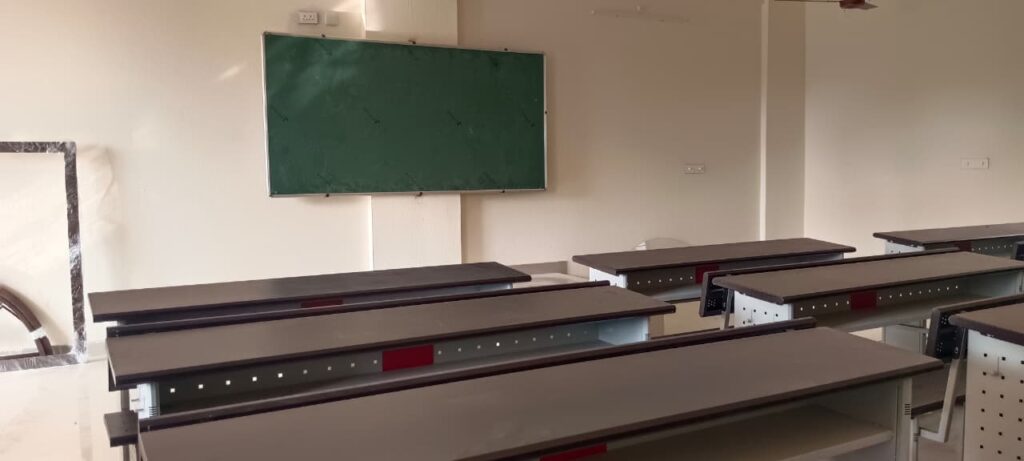
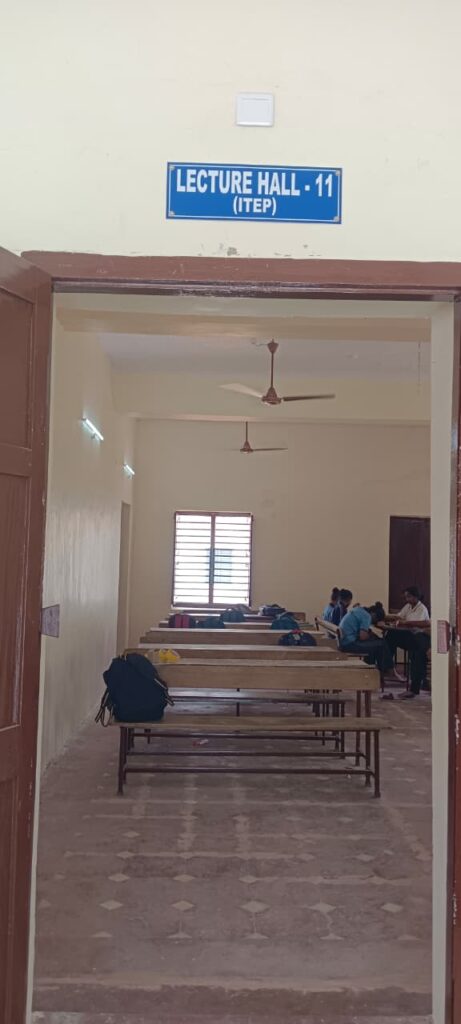
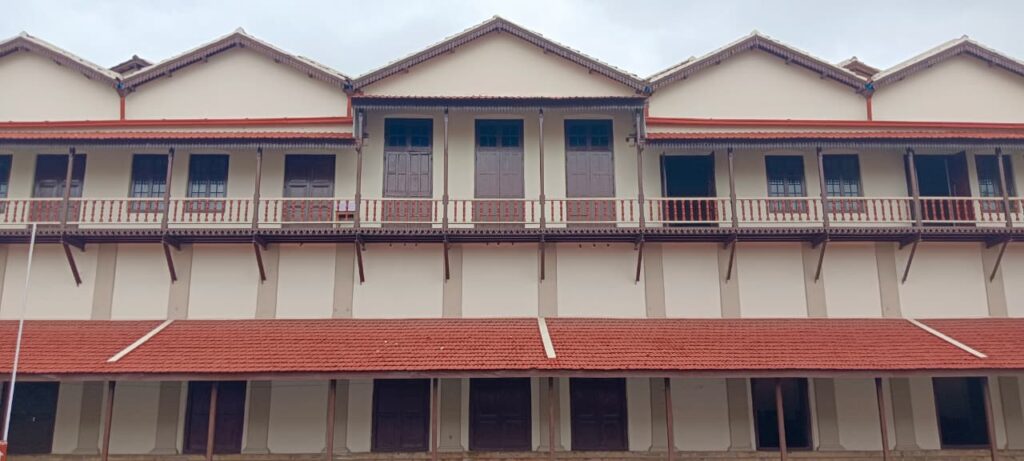
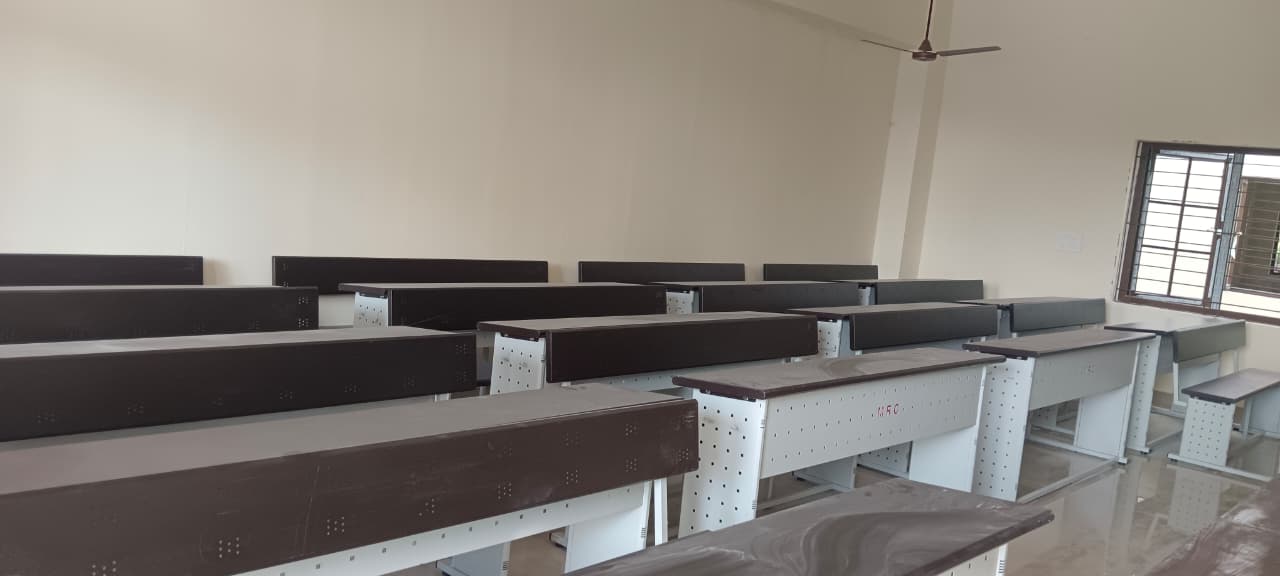
Within the confines of the college campus, there exist 12 classrooms specifically designated for the proposed 4-year Integrated Teacher Education Program(ITEP), equipped with essential facilities. These classrooms are designed to provide an optimal learning environment that fosters intellectual growth and pedagogical dominance. Each room is furnished with teaching resources and ample space to facilitate collaborative learning and innovative teaching practices. Each classroom is equipped with amenities such as proper ventilation, electrical provisions, and ample space for seating. The strategic layout of the classrooms optimizes interaction and collaboration, encouraging a dynamic exchange of ideas. In addition, the incorporation of natural light enhances the overall ambiance, promoting both well-being and creativity among learners.

Details of Academic Blocks

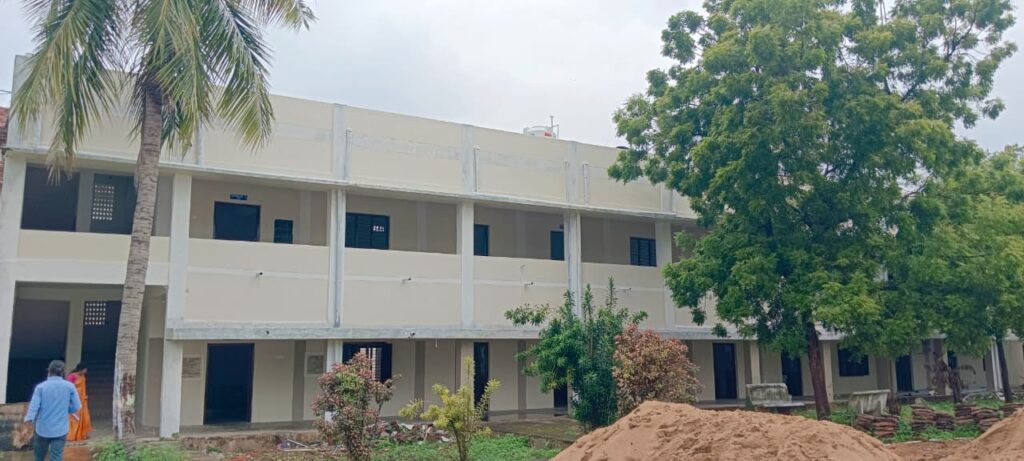
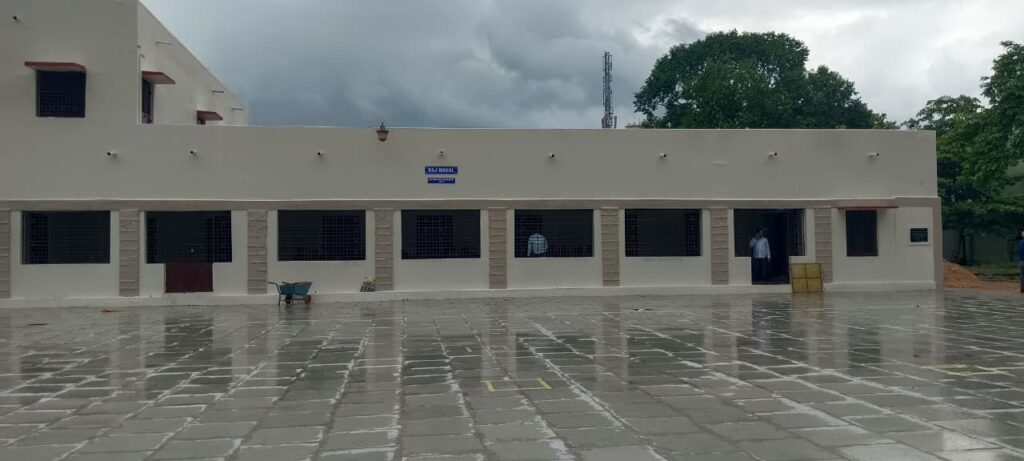
  • Total Academic Blocks :05
  • Total blocks allocated for ITEP : 03
  • Total Class Rooms : 12
  • Total Class Rooms allocated for ITEP : 12
  • Total Laboratories : 05
  • Total Laboratories allocated for ITEP : 04

Details of Class Rooms

S. No

Name of the Room

Dimensions (ft)

(Length & Breadth)

Total Area(Sq ft)

Total Area(Sq m)

1

Class Room – 1

34×25

850

79

2

Class Room – 2

34×25

850

79

3

Class Room – 3

34×25

850

79

4

Class Room – 4

34×25

850

79

5

Class Room – 5

34×25

850

79

6

Class Room – 6

34×25

850

79

7

Class Room – 7

23×25

575

53

8

Class Room – 8

23×25

575

53

9

Class Room – 9

22×25

550

51

10

Class Room – 10

32×20

640

59

11

Class Room – 11

32×20

640

59

12

Class Room – 12

20×20

400

37

Total

8480

789

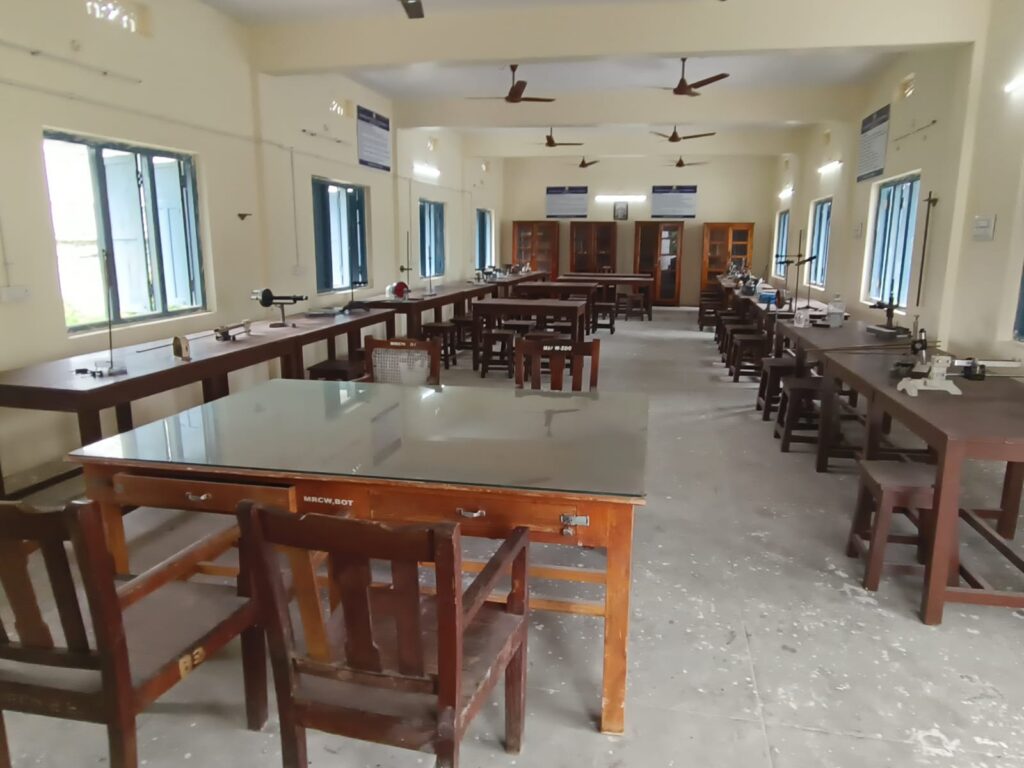
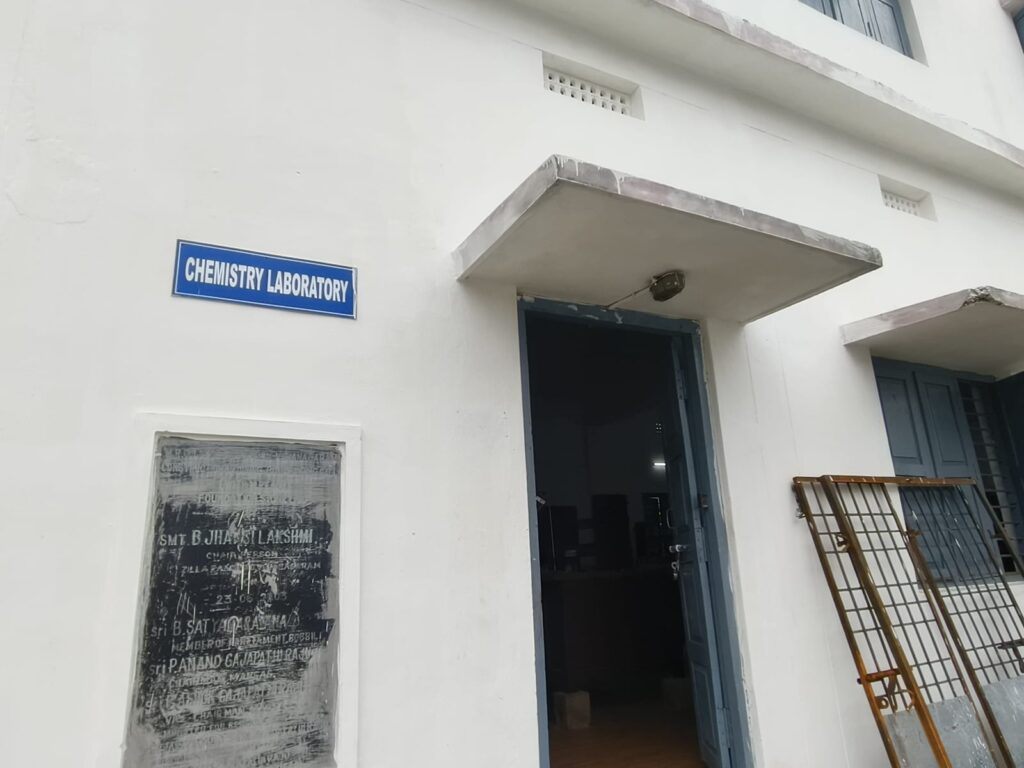
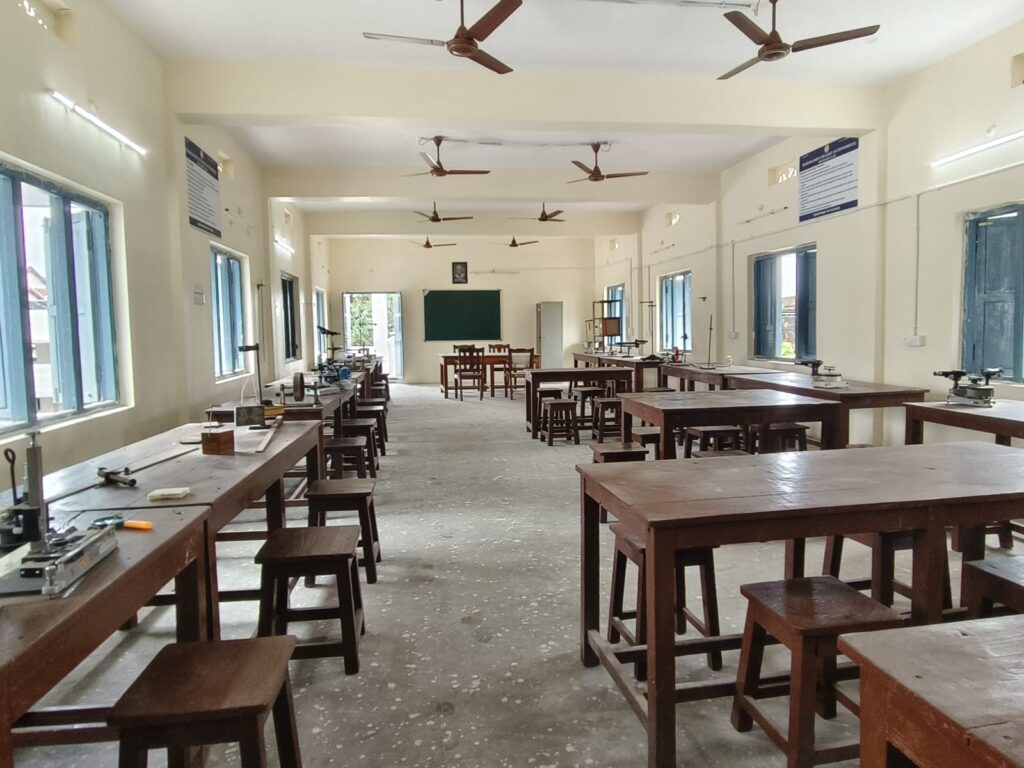
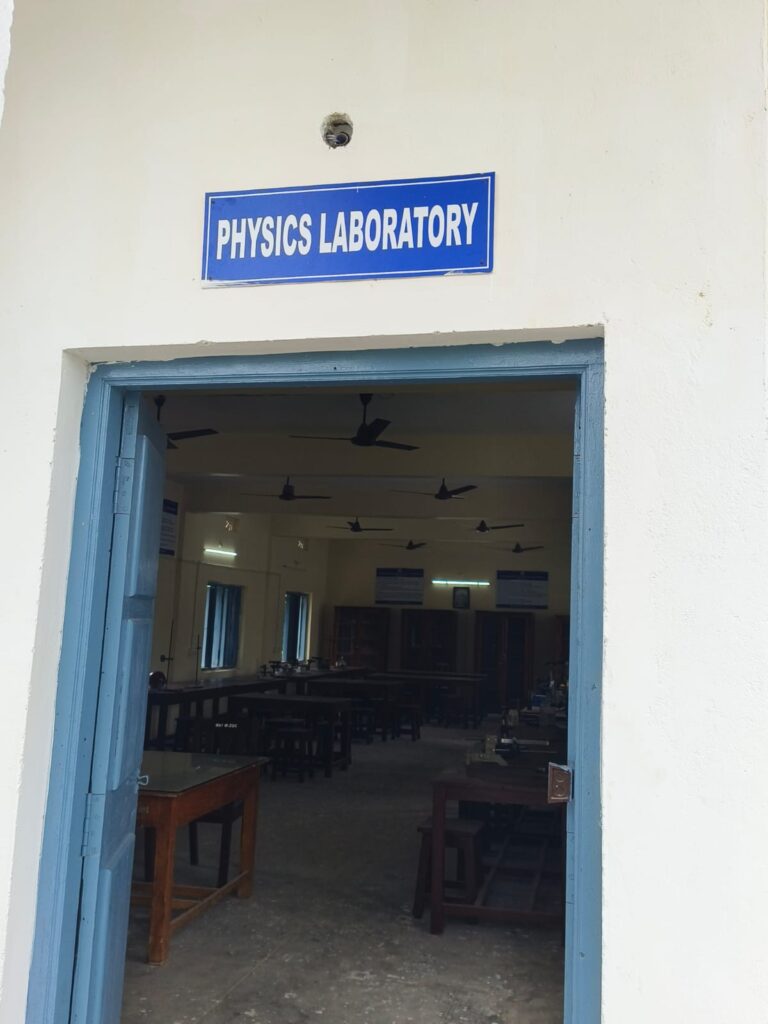
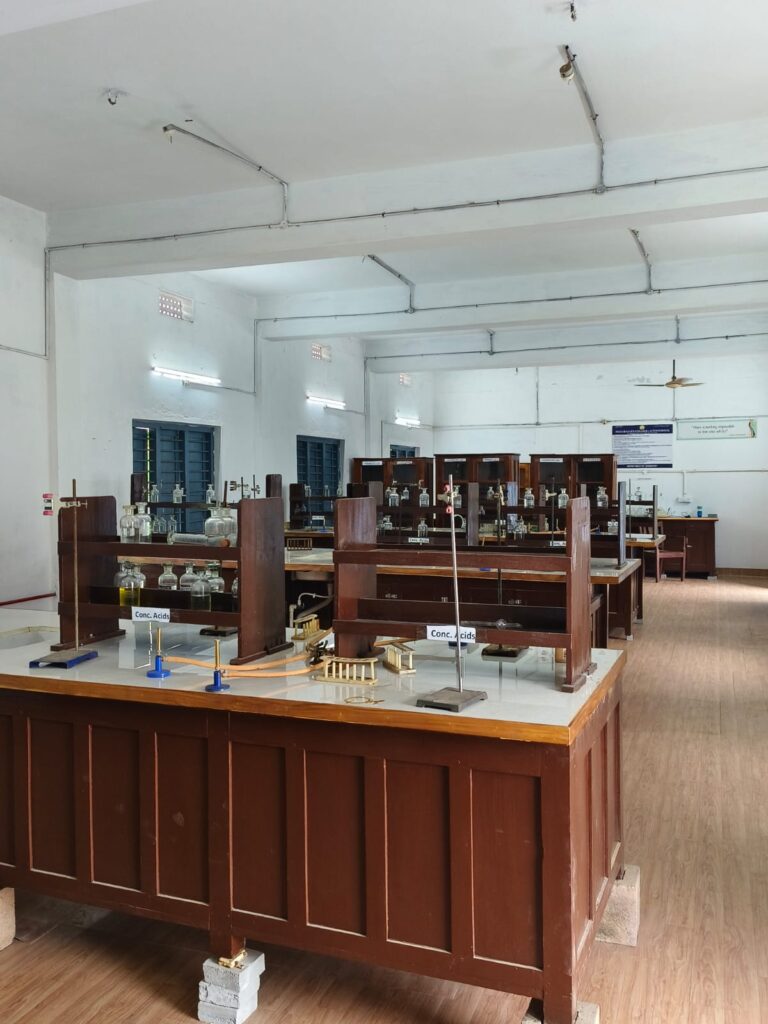
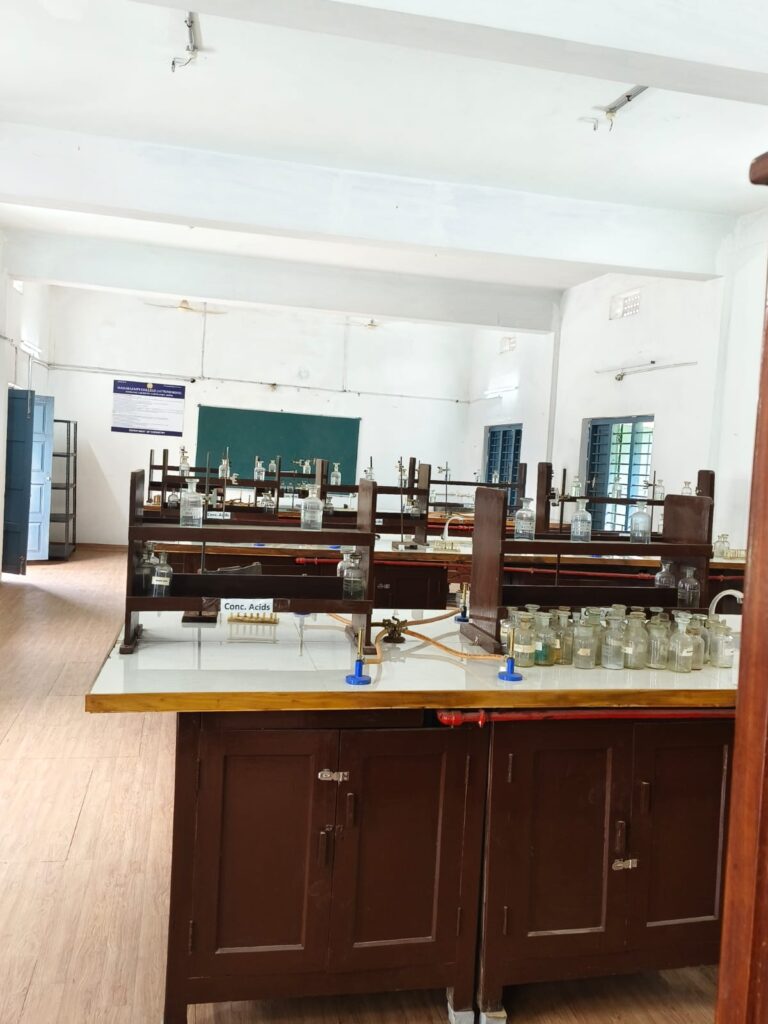
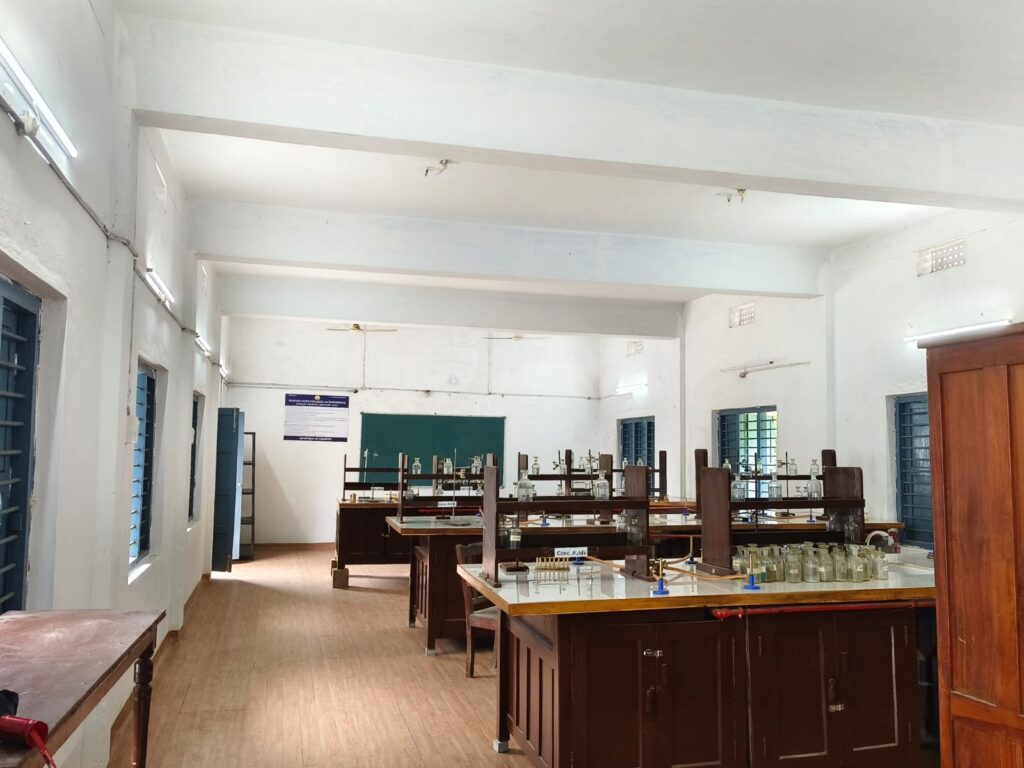
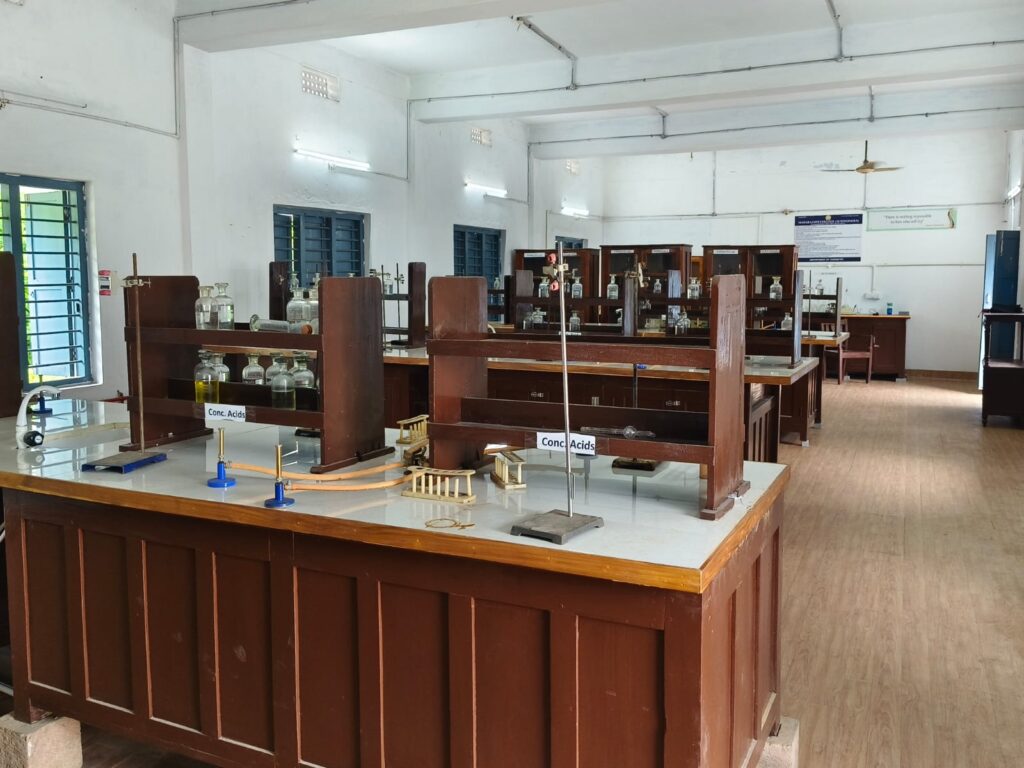
The college is equipped with specialized laboratories dedicated to disciplines such as Physics, Chemistry, Mathematics, and Psychology, each meticulously provisioned with state-of-the-art facilities and comprehensive apparatus for conducting experiments.

S. No

Name of the Room

Dimensions (ft)

(Length & Breadth)

Total Area(Sq ft)

Total Area(Sq m)

1

Chemistry Lab

53×20

1060

98

S. No

Name of the Room

Dimensions (ft)

(Length & Breadth)

Total Area(Sq ft)

Total Area(Sq m)

1

Physics Lab

53×20

1060

98


Activity cum Resource Centre and Multi Purpose Room

  • The space so designated for conducting various activities like craft, educational toys, teaching aids and production of teaching and learning materials, etc. There is facilities for conducting other activities to facilitate experiential learning and use of Information and Communication Technology in teaching programmes.
  • The Resource Centres will be equipped with facilities such as photocopying machine, audio video equipment, television, projector etc.
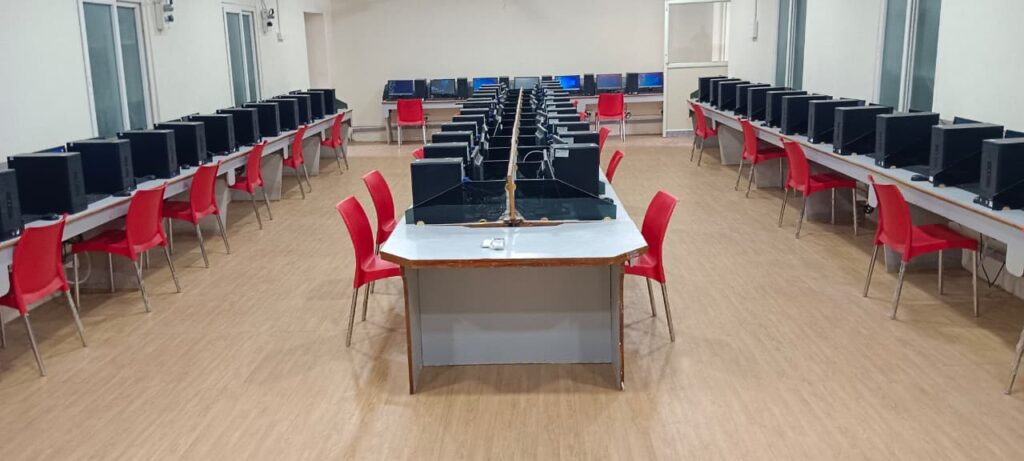
  • A Computer and Language Lab shall be established in the Resource
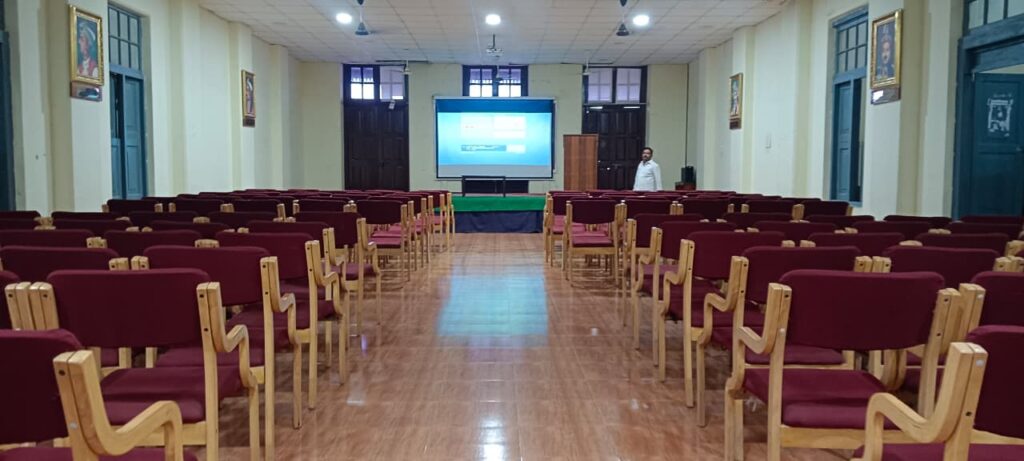
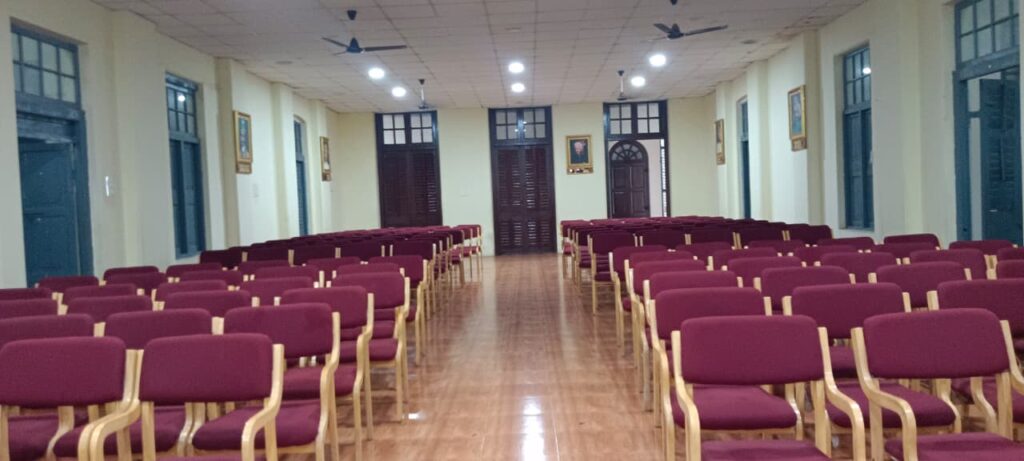
  • Multipurpose Hall: The institution shall have one earmarked hall with a seating capacity of minimum two hundred seats and minimum total area of 2000 sq. ft (Two thousand square feet). This shall be equipped for conducting seminars and workshops with installation of an audio-visual system.

S. No

Name of the Room

Dimensions (ft)

(Length & Breadth)

Total Area

(Sq ft)

Total Area(Sq m)

1

Multi Purpose Hall

76×29

2204

205


S. No

Name of the Room

Dimensions (ft)

(Length & Breadth)

Total Area(Sq ft)

Total Area(Sq m)

1

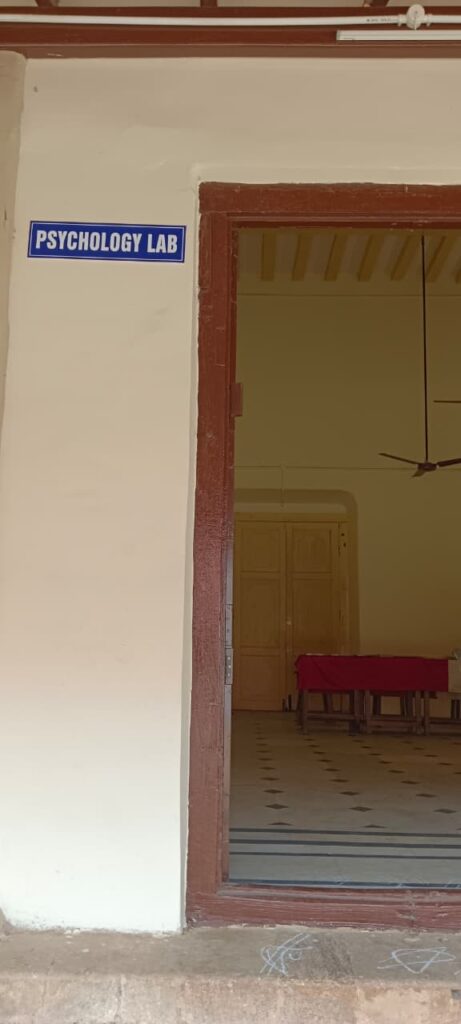
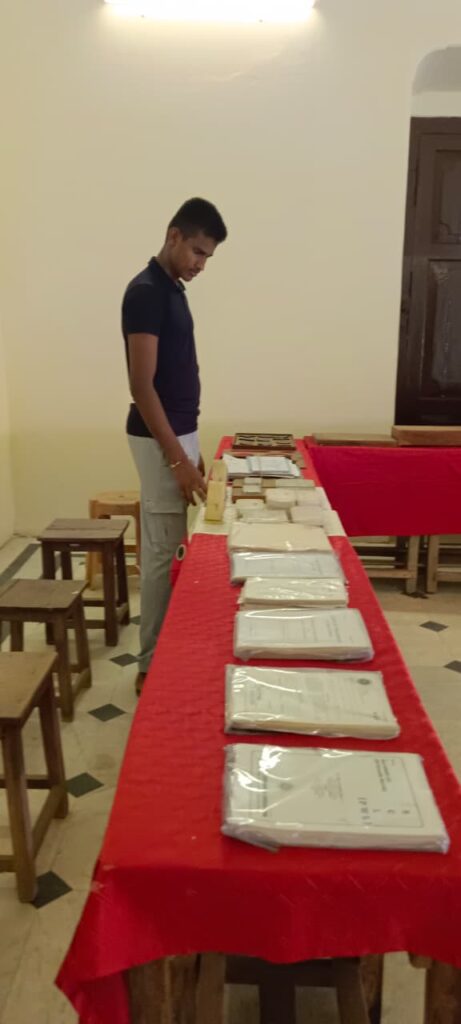
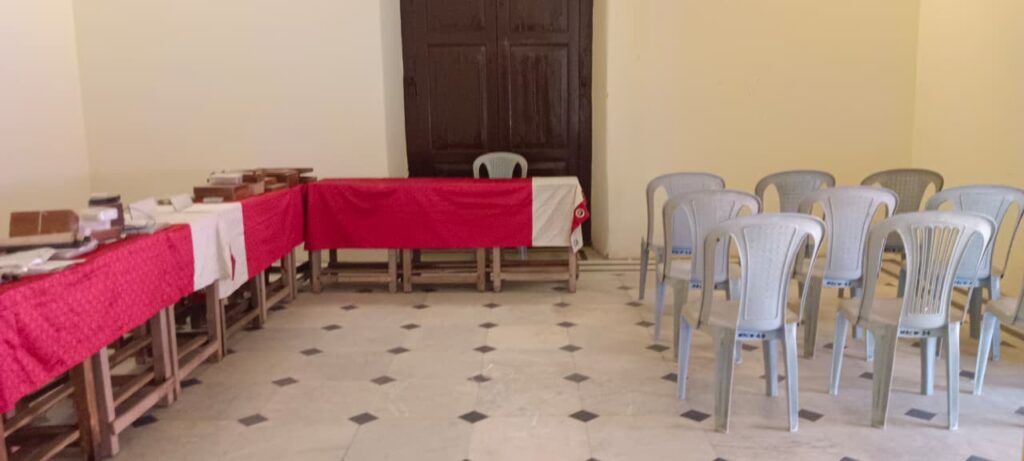
Psychology Lab

23×20

460

43

S. No

Name of the Room

Dimensions (ft)

(Length & Breadth)

Total Area(Sq ft)

Total Area(Sq m)

1

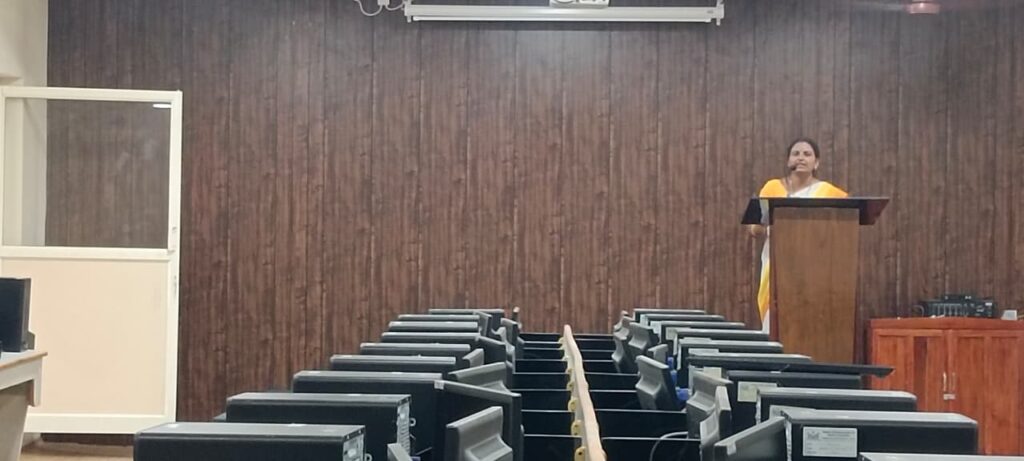
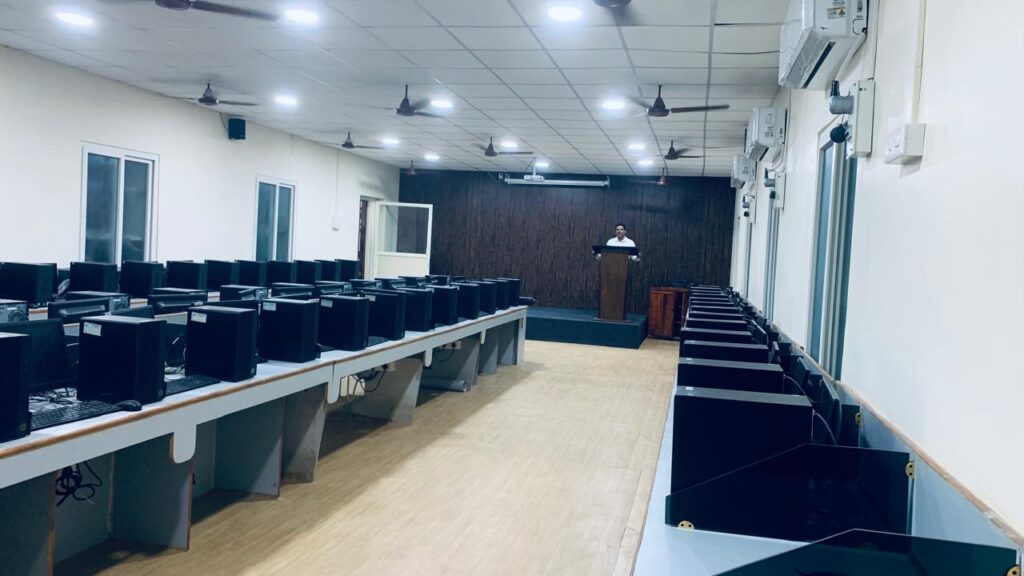
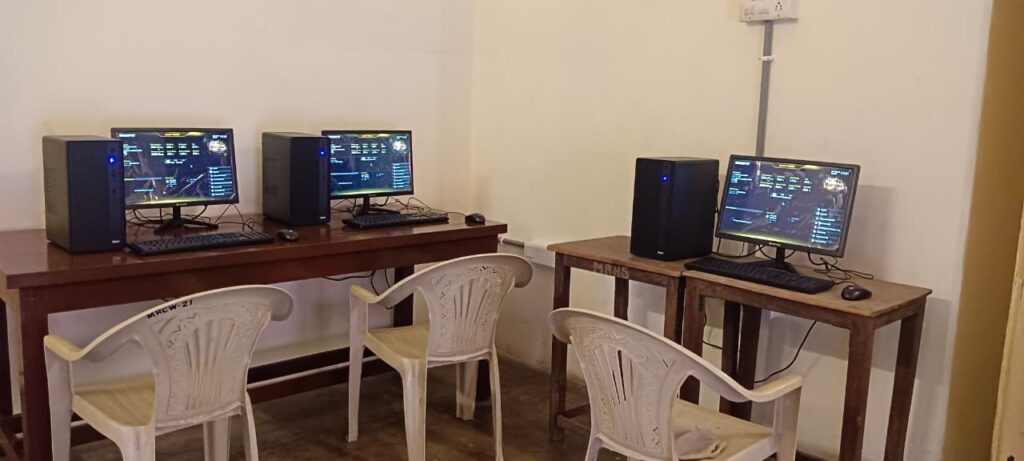
ICT Room

50×21

1050

98

Library

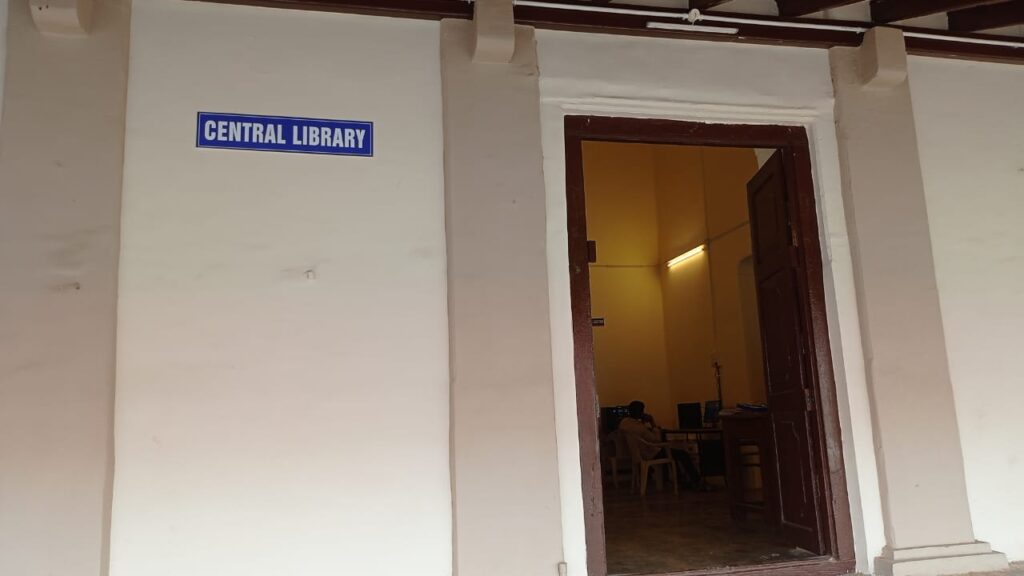
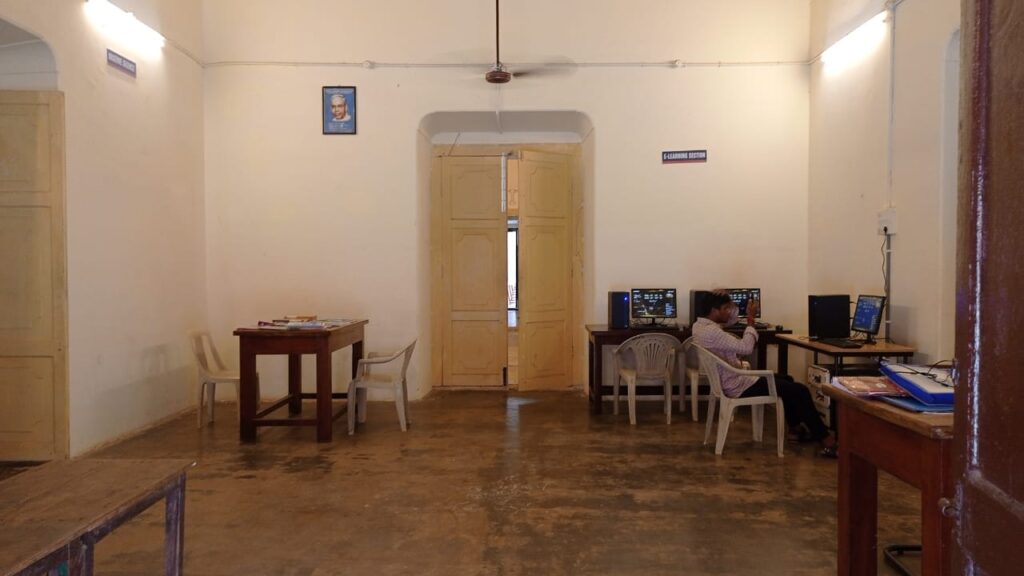
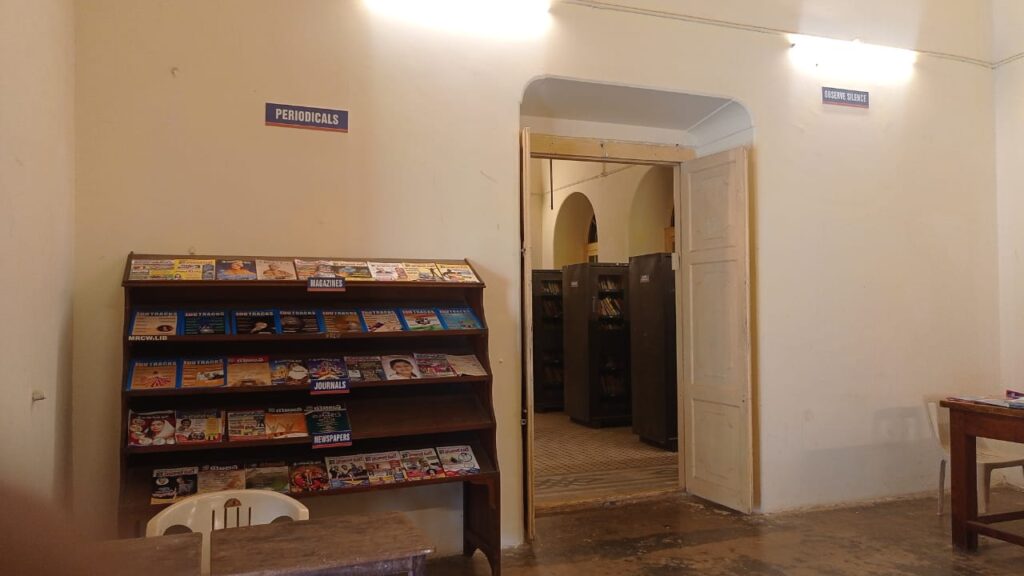
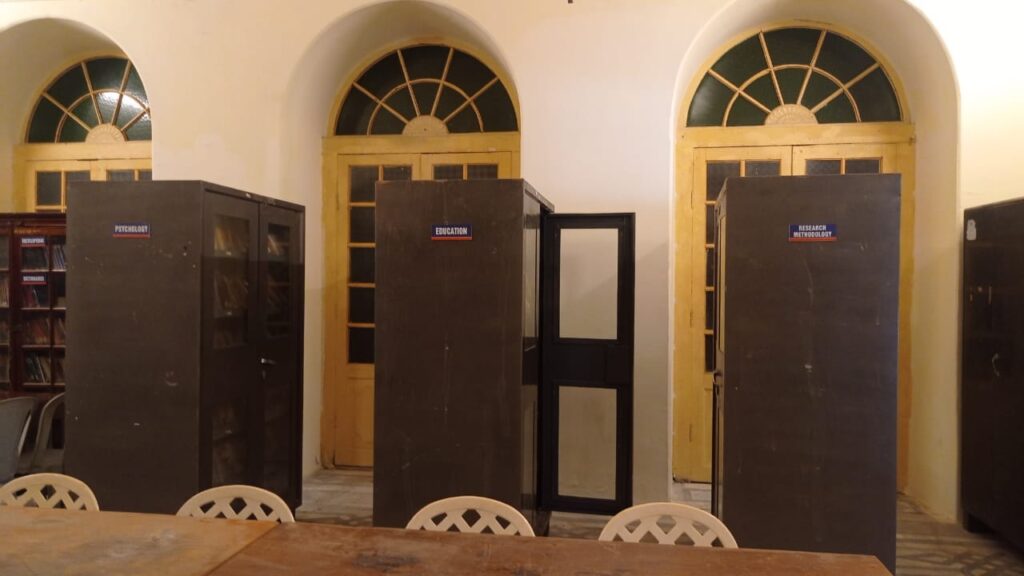
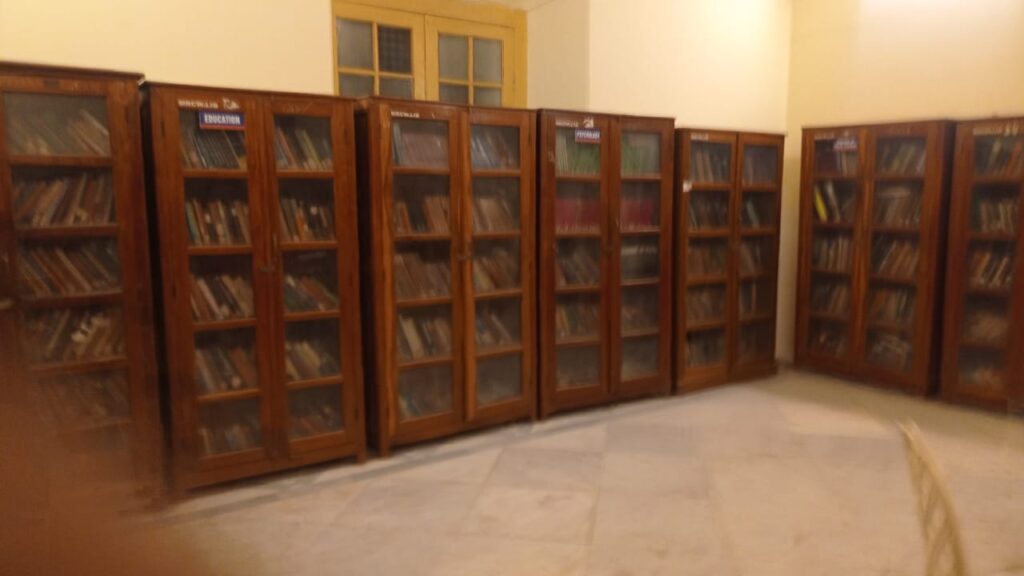
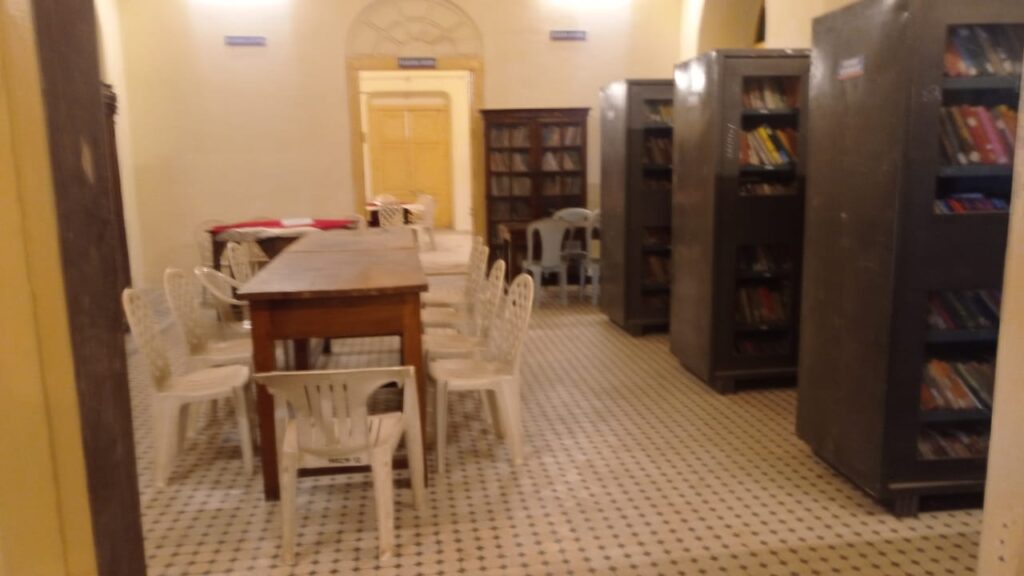
Library looks after the need for books in various disciplines including Science and Humanities. Reference books are displayed for reading within the premises. Central Library subscribes many current periodicals and their volumes. The following are the details of facilities and resources are available at Library.

1.

No. of Titles (Books)

: 5119

2.

No. of Volumes

: 7091+

3.

Reference Books

: 840

4.

No. of Journals (Nat/ Int)

: 02

5.

E- Books (NLIST)

: 80,409

6.

E- Journals (NLIST)

: 6,200

7.

Internet Bandwidth

: 100 Mbps

8.

Magazines

: 28

9.

News Papers(Tel &Eng)

: 05 & 05

Physical Facilities:

S. No

Name of the Room

Dimensions (ft)

(Length & Breadth)

Total Area

(Sq ft)

Total Area

(Sq m)

1

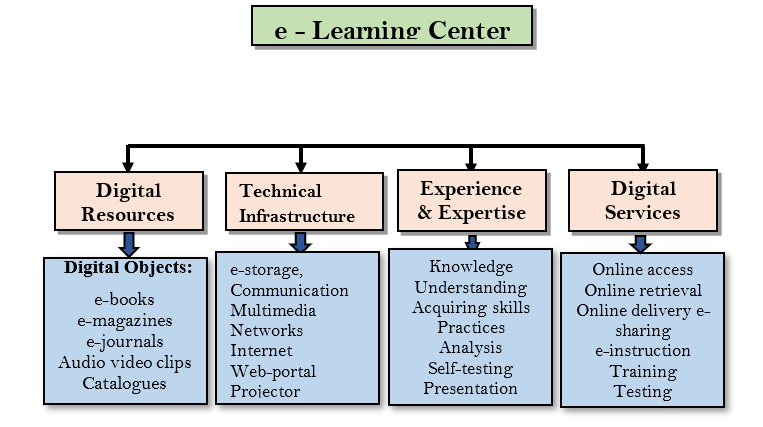
E-Learning Section

20×22

440

41

2

Reading Room

28×22

616

61

3

Pedagogy Section

22×20

440

41