Department of English
The English Department of M. R. (A) College boasts a richly nuanced history, tracing its roots back to the 1880s under the visionary leadership of luminaries such as Dewan Bahadur K.Ramanujachariar, Rao Bahadur Subbaraya Bhat and Acharya Ronanki Appala Swamy. The department has cultivated a legacy of academic prominence and distinguished by a commitment to intellectual rigour, innovative expression and articulates the communication skills.
Throughout its history, the department has been distinguished by the presence of erudite scholars and celebrated poets like Sri Gurajada Appa Rao, Sri Meduri Sri RamaMurthy, Acharya Ronanki. Appala swami, Dr. C Madan Mohan Rao and Sri K. Leela Mohana Rao. These Illustrious faculty members of the department have not only contributed to the department academic excellence but also enriched the literary landscape of the institution and artistic creativity.
The department’s commitment to work and intellectual curiosity has been unwavering with a focus on cultivating discerning thought, imaginative expression and effective communication among the students. In addition to its academic pursuits, the department has organized workshops, seminars and guest lectures. Notable events include a workshop on journalistic practices in 2010, A National Seminar on Human Values in Literature in 2015, a guest lecture on Swamy Vivekananda Philosophical Perspectives in 2018 and also organized a guest lecture on 13.11.2024 on the topic “The Role of English in Building a Successful Career”. These events have not only facilitated intellectual exchange but also have provided a platform for students and faculty.
The Department of English has always endeavored to offer the best in terms of teaching the Language of English and Literature. Language Laboratory itself is a boon to our institution in enhancing the skills on LSRW Skills besides the regular curriculum part. The Department has been launched Faculty Forum to bring awareness among the faculty to use innovative teaching techniques and to adopt in the use of ICT Tools in June 2024.
The department remains committed to provide its students with a world class education, and promoting intellectual curiosity, creativity and critical thinking. In pursuit of its mission, the department seeks to empower students with communication skills, knowledge and develop creativity to succeed in the contemporary world by fostering a culture of intellectual exploration, analytical thinking and effective communication; the department aims to produce graduates, who are equipped to make a profound impact in their chosen fields.
The Department of English has been taking steps towards humble progress. Right now the department consists of seven members. The faculty has been actively heading towards guiding the students to communicate effectively and efficiently in interpersonal skills as well as in social groups under the guidance of Principal Prof. M. Samba Siva Rao garu and the Correspondent, MEI Dr. K.V.L Raju garu.
PROGRAM/COURSE
S.NO | SEMESTER | COURSE NAME | PROGRAM | Syllabus |
1 | I | COMMUNICATION AND SOFT SKILLS | B.A,B.Com & B.Sc | |
2 | II | READING AND WRITING SKILLS | B.A,B.Com & B.Sc | |
3 | I | COMMUNICATION SKILLS [SEC-2] | B.A,B.Com & B.Sc | |
4 | II | BUSINESS WRITING [SEC-1] | B.A,B.Com & B.Sc | |
5 | III | INFORMATION AND COMMUNICATION TECHNOLOGY [SEC-1] | B.A,B.Com & B.Sc |
Facilities
- Students are provided with English Language laboratory for enhancing their communication skills.
- Students are encouraged to overcome their fear of speaking in English and encouraged to express their skills through English club.
- Students are also facilitated with Remedial classes for slow learners.
- Co-curricular activities like seminars, debate and PPTs are encouraged in the regular classes by using ICT
- Mentoring system is adopted to assist the students in reaching their academic goals and for all-round prosperity.
COMMUNICATON AND SOFT SKILLS
Year and Semester : 2023-24[R-23] -SEMESTER-I
Course Name : COMMUNICATON AND SOFT SKILLS
Course Code : R23ENGT131
LEARNING OUTCOMES:
By the end of the course the learner will be able to:
- Understand the importance listening and practice effective listening.
- Use grammar effectively for accuracy in writing and speaking.
- Demonstrate the use of good vocabulary.
- Acquire ability to use Soft Skills in professional and daily life.
- Confidently use the tools of communication skills.
READING AND WRITING SKILLS
Year and Semester : 2023-24[R-23] -SEMESTER-II
Course Name : READING AND WRITING SKILLS
Course Code : R23ENGT231
LEARNING OUTCOMES:
By the end of the course the learner will be able to:
- Use reading skills effectively.
- Comprehend different texts.
- Build up a repository of active vocabulary.
- Improve writing skills independently for future needs.
- Enhance communicative competence through Reading and Writing Skills
COMMUNICATION SKILLS
Program : B.A/B.COM/B.SC/BBA[ALL MAJORS]
Year and Semester : 2023-24[R-23] -SEMESTER-I
Course Name : COMMUNICATION SKILLS
Course Code : R23ENGT151
LEARNING OUTCOMES:
By the end of the course the learner will be able to:
- Speak English fluently
- Participate confidently in any social interaction.
- Face any professional discourse.
- Demonstrate critical thinking.
- Enhance conversational skills by observing the professional interviews
BUSINESS WRITING
SEMESTER – 2
COURSE: BUSINESS WRITING [SEC–1]
COURSE OUTCOMES:
By the end of this course, students will be able to:
- Understand the fundamentals of business writing, including style, tone, and language
- Craft persuasive and well-organized business proposals and formal reports.
- Cultivate a professional and ethical approach to business writing.
- Produce well-structured and concise business documents, such as emails, memos, and
Reports.
- Apply principles of effective communication in business letters and interoffice
Correspondence.
INFORMATION AND COMMUNICATION TECHNOLOGY
SEMESTER-3[SEC]
COURSE: INFORMATION AND COMMUNICATION TECHNOLOGY
COURSE OUTCOMES :
After completion of the course, student will be able to;
- Explain which network is suitable for whom.
- Learn few GOI digital initiatives in higher education.
- Apply skills to use online forums, docs, spreadsheets, etc. for communication,
Collaboration and research.
- Get acquainted with internet threats and security mechanisms.
- Develop skills to use various social networking sites like twitter, flicker, etc.
ELIGIBILITY
B.Sc Honors chemistry eligibility needs candidates to have minimum 50% marks in intermediate (M.P.C., Bi.P.C ) from a recognized Board.
PROGRAMME UTCOMES (POs) B.Sc. HONOURS (CHEMISTRY)
PO No. | Component | Outcomes |
PO1 | Basic Knowledge and Relevance of the Principles: | To understand the basic knowledge of the discipline, fundamental principles, and the scientific theories related to various phenomena and their relevance in the day-to-day life. |
PO2 | Critical thinking and Problem-Solving abilities | Capable of analysing the results critically and applying acquired knowledge to solve the problems. |
PO3 | Creativity and Research aptitude for global competency | Ability to analyze scientific problems, develop innovative solutions, and apply research aptitude to address critical challenges across interdisciplinary fields globally. |
PO4 | Holistic, Multidisciplinary education and skill enhancement | Ability to acquire knowledge through a holistic, multidisciplinary approach and develop advanced skills to apply for the betterment of society. |
PO5 | Leadership and Teamwork abilities | Ability to learn and work in a group and capable of leading a team even. |
PO6 | Ethical thinking and Social awareness | Inculcate the professional and ethical attitude and ability to relate with social problems. Learn important aspects associated with environmental and human health. Ability to develop eco-friendly technologies. |
PO7 | lifelong learning skills and Entrepreneurship | Ability to learn lifelong learning skills which are important to provide better opportunities and improve quality of life. Capable to establish independent start-up/innovation center etc. |
Programme Specific Outcomes
The graduates shall be able to realize the following specific outcomes by the end of the program studies:
PSO s | Programme Specific Outcomes |
PSO -1 | Gain the Knowledge on basic principles and their real-world applications in various concepts of chemistry through theory and practical experiments. |
PSO -2 | Understand the Nomenclature, stereochemistry, structures, reactivity, and mechanism of chemical reactions. |
PSO -3 | Identify chemical formula and solve numerical problems. |
PSO -4 | Comprehensive training in effectively communicating scientific information and ideas, both in writing and speech. |
PSO -5 | Use modern chemical tools, models, chem-Draw, charts and equipment. |
PSO -6 | Understand good laboratory practices and safety. |
PSO -7 | Develop research-oriented skills |
PSO -8 | Aware and handle the sophisticated instruments/Equipment |
MAPPING OF PROGRAMME OUTCOMES WITH PROGRAMME SPECIFIC OUTCOMES
S. No. | PSOs | PSO1 | PSO2 | PSO3 | PSO4 | PSO5 | PSO6 | PSO7 | PSO8 | |
POs | ||||||||||
1. | PO1 |
|
|
|
|
|
|
|
| |
2. | PO2 |
|
|
|
|
|
|
|
| |
3. | PO3 |
|
|
|
|
|
|
|
| |
4. | PO4 |
|
|
|
|
|
|
|
| |
5. | PO5 |
|
|
|
|
|
|
|
|
|
6 | PO6 |
|
|
|
|
|
|
|
|
|
7 | PO7 |
|
|
|
|
|
|
|
|
|
MAPPING OF COURSE WITH PROGRAMME SPECIFIC OUTCOMES
S. No. | PSOs | PSO1 | PSO2 | PSO3 | PSO4 | PSO5 | PSO6 | PSO7 | PSO8 | PSO9 |
Name of the course | ||||||||||
1. | ESSENTILS AND APPLICATIONS OF MATHEMATICS PHYSICAL AND CHEMICAL SCIENCES
| ✔ |
| ✔ |
| ✔ |
| ✔ |
| ✔ |
2 | ADVANCESES IN MATHEMATICAL PHYSICAL CHEMICAL SCENENCES | ✔ |
| ✔ | ✔ |
|
| ✔ |
| ✔ |
3 | COMMUNICATION & SOFT SKILLS
| ✔ |
| ✔ |
| ✔ |
| ✔ |
| ✔ |
4 | SAHITI SOURABHAM
| ✔ |
| ✔ | ✔ | ✔ |
| ✔ |
| ✔ |
5 | ANALYTICAL SKILLS | ✔ |
|
|
|
|
|
|
|
|
6 | COMMUNICATION SKILLS
| ✔ |
|
|
|
|
|
|
|
|
7 | PRINCIPLES OF PSYCHOLOGY | ✔ |
|
|
|
|
|
|
|
|
8 | GENERAL AND INORGANIC CHEMISTRY | ✔ | ✔ | ✔ |
|
| ✔ | ✔ |
| ✔ |
9 | GENERAL AND INORGANIC CHEMISTRY LAB | ✔ |
| ✔ |
|
|
| ✔ |
|
|
10 | INORGANIC CHEMISTRY-I | ✔ | ✔ | ✔ |
| ✔ | ✔ |
|
|
|
11 | INORGANIC CHEMISTRY LAB | ✔ | ✔ |
|
|
|
| ✔ |
|
|
12 | READING & WRITING SKILLS | ✔ |
|
|
|
|
|
|
|
|
13 | SRUJANATMAKA RACHANA | ✔ |
|
|
|
|
|
|
|
|
14 | BUSINESS WRITING | ✔ | ✔ |
|
|
|
|
|
|
|
15 | DIGITAL LITERACY
| ✔ |
|
|
|
|
|
|
|
|
16 | FUNDAMENTAS IN ORGANIC CHEMISTYR | ✔ | ✔ |
| ✔ |
|
| ✔ |
|
|
17 | FUNDAMENTAS IN ORGANIC CHEMISTYR LAB | ✔ | ✔ |
| ✔ |
|
| ✔ |
|
|
18 | HALOGEN AND OXYGEN ORGANIC COMPOUNDS | ✔ | ✔ |
| ✔ | ✔ |
| ✔ |
|
|
19 | HALOGEN AND OXYGEN ORGANIC COMPOUNDS LAB | ✔ | ✔ | ✔ | ✔ |
|
| ✔ |
| ✔ |
20 | PHYSICAL CHEMISTRY-1 | ✔ | ✔ |
| ✔ |
| ✔ | ✔ |
|
|
21 | PHYSICAL CHEMISTRY-1 LAB | ✔ | ✔ | ✔ | ✔ |
| ✔ | ✔ |
| ✔ |
22 | INORGANIC PHYSICAL CHEMISTRY-1 | ✔ | ✔ |
|
|
|
| ✔ |
|
|
23 | INORGANIC PHYSICAL CHEMISTRY-1 LAB | ✔ | ✔ |
| ✔ |
| ✔ | ✔ | ✔ |
|
24 | INFORMATION AND COMMUNICATION TECHNOLOGY | ✔ |
|
|
|
|
|
|
|
|
25 | INTRODUVTION TO PUBLIC ADMINISTRATION | ✔ |
|
|
|
|
|
|
|
|
26 | PHYSCICAL CHEMITRY -2 | ✔ | ✔ |
| ✔ |
|
| ✔ |
|
|
27 | PHYSCICAL CHEMITRY -2 LAB | ✔ | ✔ | ✔ | ✔ |
| ✔ | ✔ |
| ✔ |
28 | GENERAL AND PHYSICAL CHEMISTRY | ✔ | ✔ | ✔ |
|
|
| ✔ |
| ✔ |
29 | GENERAL AND PHYSICAL CHEMISTRY LAB | ✔ | ✔ | ✔ |
|
|
| ✔ |
| ✔ |
30 | NITROGEN CONTAINING ORGANIC COMPOUND AND SPECTROSCOPY | ✔ | ✔ |
| ✔ |
|
| ✔ |
|
|
31 | NITROGEN CONTAINING ORGANIC COMPOUND AND SPECTROSCOPY LAB | ✔ | ✔ | ✔ |
|
|
| ✔ |
|
|
32 | INDIAN PHYLOSOPHY | ✔ |
|
|
|
|
|
|
|
|
33 | CYBER SECURITY | ✔ |
|
|
|
|
|
|
|
|
34 | ANALYTICAL METHODS IN CHEMISTRY -QUANTITATIVE ANALYSIS | ✔ | ✔ | ✔ |
|
|
| ✔ |
|
|
35 | ANALYTICAL METHODS IN CHEMISTRY -QUANTITATIVE ANALYSIS LAB | ✔ | ✔ | ✔ |
|
|
| ✔ |
|
|
36 | CHROMATOGRAPHY AND INSTRUMENTAL MERTHODS OF ANALYSIS | ✔ | ✔ | ✔ |
|
| ✔ |
|
|
|
37 | CHROMATOGRAPHY AND INSTRUMENTAL MERTHODS OF ANALYSIS LAB | ✔ | ✔ | ✔ |
|
| ✔ | ✔ |
|
|
38 | Synthetic Organic Chemistry. | ✔ | ✔ | ✔ |
| ✔ |
| ✔ |
|
|
39 | Synthetic Organic Chemistry.Lab | ✔ | ✔ | ✔ |
| ✔ |
| ✔ |
|
|
40 | Reaction mechanism, Stereochemistry & Analysis of Organic compounds | ✔ | ✔ | ✔ |
| ✔ |
| ✔ |
|
|
41 | Reaction mechanism, Stereochemistry & Analysis of Organic compounds Lab | ✔ | ✔ | ✔ |
| ✔ |
| ✔ |
|
|
42 | Environmental education | ✔ | ✔ | ✔ |
| ✔ |
| ✔ |
|
|
43 | Inorganic Chemistry: Advance Studies in Complexes and Group theory
| ✔ | ✔ | ✔ |
|
|
| ✔ |
|
|
44 | Inorganic Chemistry: Advance Studies in Complexes and Group theory Lab
| ✔ | ✔ | ✔ |
|
|
| ✔ |
|
|
45 | Spectroscopy of Organic compounds
| ✔ | ✔ | ✔ |
|
|
| ✔ | ✔ |
|
46 | Spectroscopy of Organic compounds Lab
| ✔ | ✔ | ✔ |
|
|
| ✔ | ✔ |
|
47 | Physical Chemistry: Thermo dynamics, Electro chemistry and Chemical Kinetics.
| ✔ | ✔ | ✔ |
|
|
| ✔ | ✔ |
|
48 | Physical Chemistry: Thermo dynamics, Electro chemistry and Chemical Kinetics. Lab
| ✔ | ✔ | ✔ |
|
|
| ✔ | ✔ |
|
49 | GREEN CHGEMISTRY | ✔ | ✔ | ✔ |
|
|
| ✔ | ✔ |
|
50 | GREEN CHGEMISTRY LAB | ✔ | ✔ |
|
|
|
|
|
|
|
51 | POLYMER CHEMISTRY | ✔ | ✔ |
|
|
|
|
|
|
|
52 | POLYMER CHEMISTRY LAB | ✔ | ✔ |
|
|
|
| ✔ | ✔ |
|
53 | OOTD | ✔ |
|
|
|
|
|
|
|
|
54 | IKS | ✔ |
|
|
|
|
|
|
|
|
55 | INORGANIC CHEMISTRY METAL CLUSTRE ELECTRONIC SPECTRA OF COMPLEX COMPOUNDS AND BIOINORGANCICCHEMISTRY | ✔ | ✔ | ✔ |
|
|
| ✔ | ✔ |
|
56 | INORGANIC CHEMISTRY METAL CLUSTRE ELECTRONIC SPECTRA OF COMPLEX COMPOUNDS AND BIOINORGANCICCHEMISTRY LAB | ✔ | ✔ | ✔ |
|
|
| ✔ | ✔ |
|
57 | MODREN ORGANIC SYNTHESIS AND NATURAL PRODUCTS | ✔ | ✔ | ✔ |
|
|
| ✔ |
|
|
58 | MODREN ORGANIC SYNTHESIS AND NATURAL PRODUCTS LAB | ✔ | ✔ | ✔ |
| ✔ |
| ✔ |
|
|
59 | PHYSICAL-CHEMISTRY:QUANTUM AND MOLECULAR SPECTROSCOPY | ✔ | ✔ | ✔ |
|
|
| ✔ |
|
|
60 | PHYSICAL-CHEMISTRY:QUANTUM AND MOLECULAR SPECTROSCOPY LAB | ✔ | ✔ | ✔ |
|
|
| ✔ |
| ✔ |
61 | PHARMASCUTICAL, MEDICINAL CHEMISTRY | ✔ | ✔ | ✔ |
|
|
| ✔ |
| ✔ |
62 | PHARMASCUTICAL, MEDICINAL CHEMISTRY LAB | ✔ | ✔ | ✔ |
|
|
| ✔ |
|
|
63 | CORROSION AND ITS PREVENTION | ✔ | ✔ | ✔ |
|
|
| ✔ |
|
|
64 | CORROSION AND ITS PREVENTION LAB | ✔ | ✔ | ✔ |
|
|
| ✔ |
|
|
65 | OOTD | ✔ |
|
|
|
|
|
|
|
|
66 | IKS | ✔ |
|
|
|
|
|
|
|
|

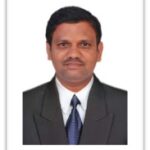
D. YERUKU NAIDU
HOD, Dept. of English

Dokala Nagamma
Assistant Professor

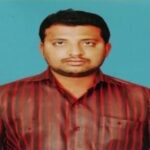
GORLE SANYASI NAIDU
Assistant Professor

Reddi Kiran mayi
Assistant Professor

CH. NAREN KUMAR
Assistant Professor

A.Pravallika
Assistant Professor

NUKA RAJU POTUPUREDDI
Assistant Professor

DAYAANNDAKUMAR LAVUDI
Assistant Professor