


Museum and Artifacts
Museum
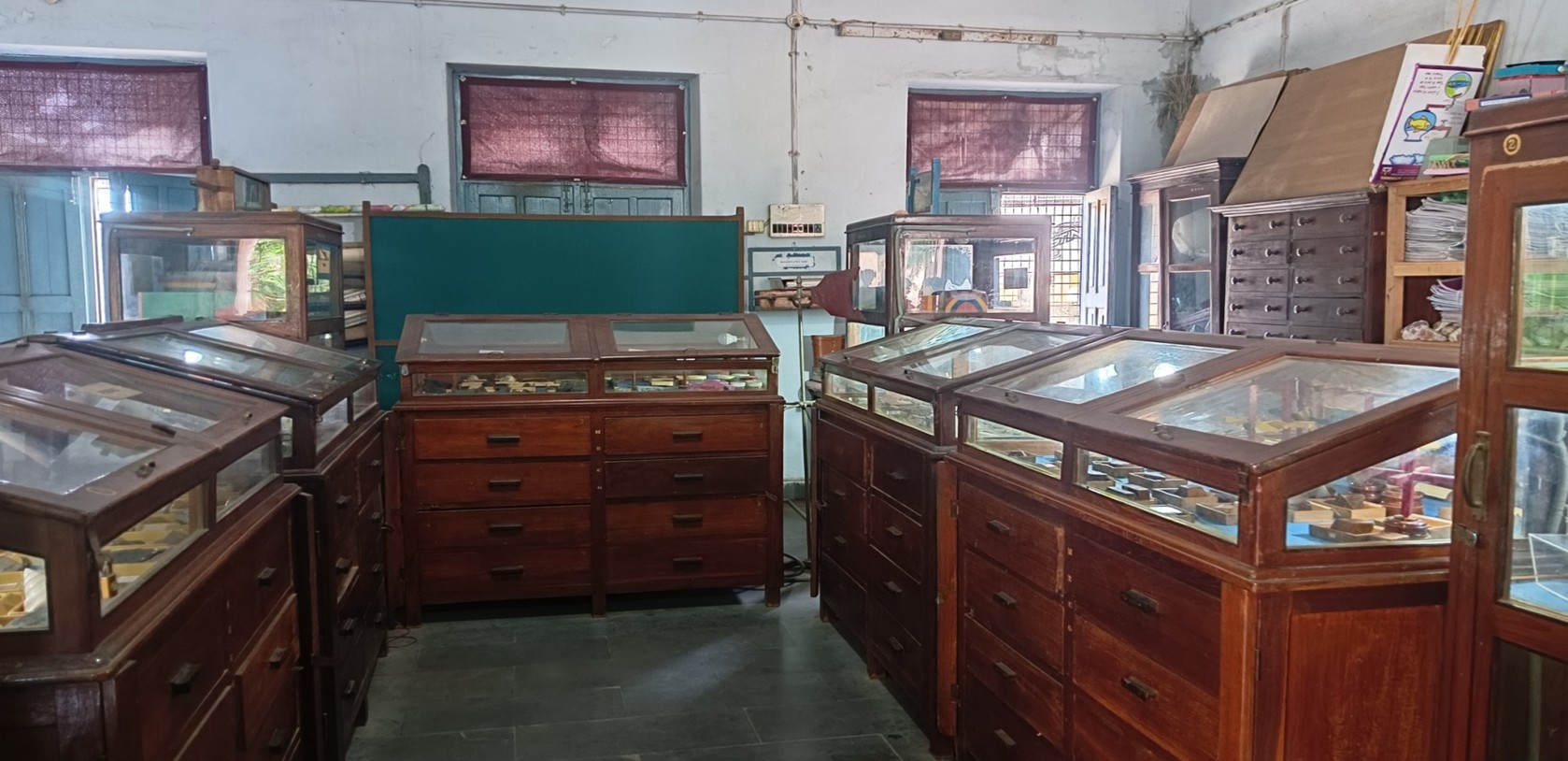
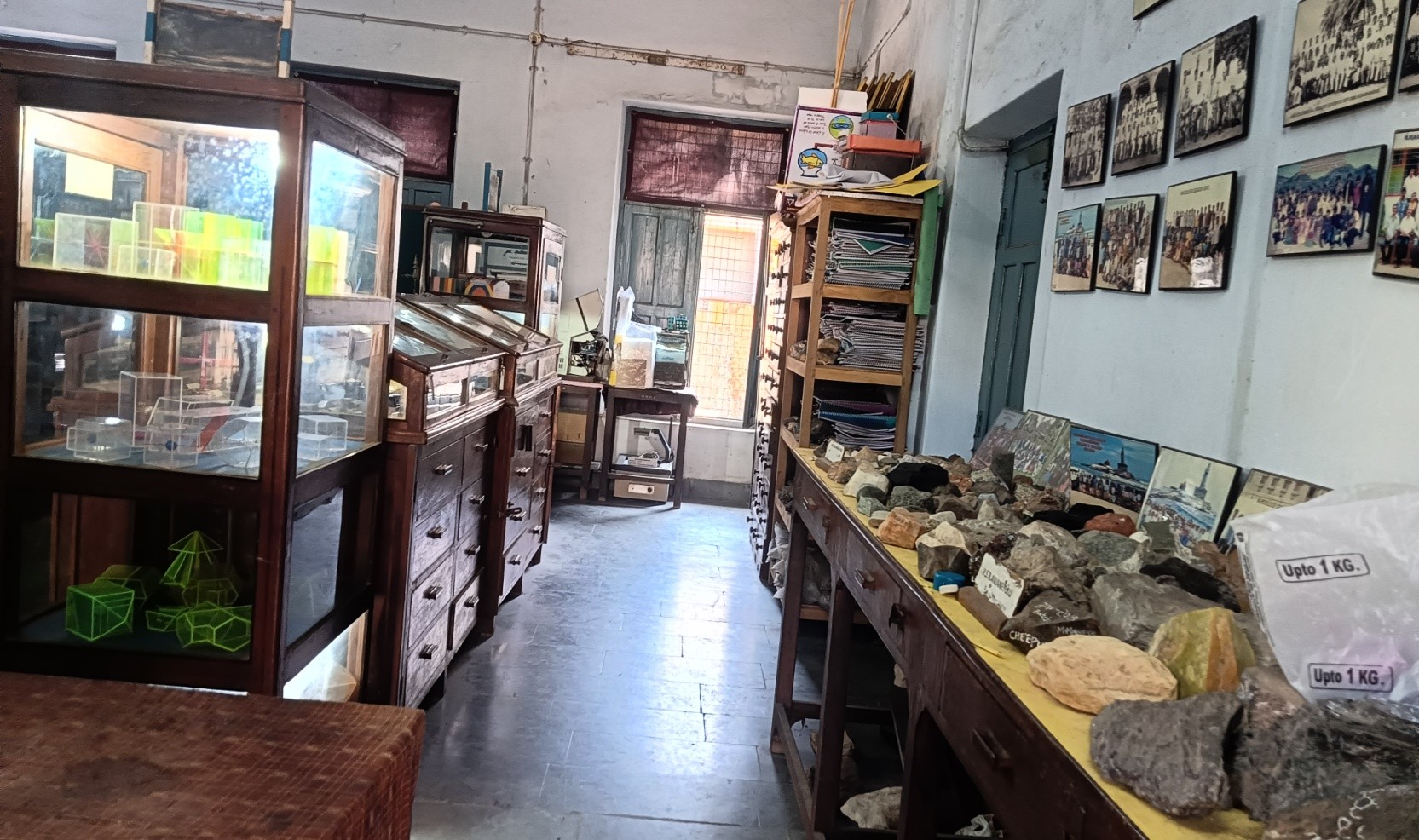
Geological Museum at the Department of Geology, Maharajah’s College in Vizianagaram is a well-established museum that is part of the department’s rich heritage in teaching. It is equipped with a collection of rare rocks, minerals, and fossils that showcase the geological heritage of the region. The museum also houses a smart classroom with various maps, posters, and paintings to aid in geological studies and public outreach.
- The Department of Geology has excellent museum with University standards.
- The museum is an excellent collection of samples and fossils collected by the students during the Geological tours.
- Geological museum features a variety of specimens including minerals, rocks, and fossils, along with models of geological structures and core samples are exhibited in good glass racks.
- Many also include interactive displays, multimedia presentations, and exhibits on geological processes like plate tectonics, earthquakes, and volcanoes to educate both students and the public.
- Collections and specimens
- Minerals and rocks: A wide range of hand specimens of various minerals, rocks, and rare or unique geological formations are typically displayed.
- Fossils: Specimens of fossils are often on display, representing the evolution of life over time.
- Core drilling samples: These are often included, as they are collected during different exploration works.
- Decorative stones: Slabs of decorative stones may be part of the collection.
- Crystal models: Some museums feature models of crystals.
- Exhibits and educational tools
- Geological structures: Models that illustrate geological structures and processes are a common feature.
- Geological processes: Exhibits may explain the formation of the Earth, plate tectonics, volcanoes, earthquakes, and other dynamic Earth processes.
- Interactive exhibits: At this museum use interactive installations to engage visitors with the subject matter.
- Educational role
- Student education: These museums are vital for educating students about Earth sciences.
- Public outreach: They serve to promote a better understanding of the planet’s dynamic nature among the general public.
- Research and awareness: They can spark curiosity about the Earth and its resources among academics, scientists, and the public.
- To support the teaching, all crystal models, optical models, Geomorphological and structural models were placed in the museum. Rock cycle and water cycle boards were painted in the museum.
- A Big Index Fossil Ceratite was collected at Tirucharapalli during the field tour. Some other rare collections during field trip where a big phosphatic Nodule from Tirchur. A Plant Fossil from Pondicherry
- Big barites from Pulivendula.
- A lignite samples from Neyveli.
- A big Garnet Crystal showing Rhomb dodecahedron form.
- Rhomb dodecahedron Garnets from Sadanandapuram, Nellore which indicating different Grades of Metamorphism.
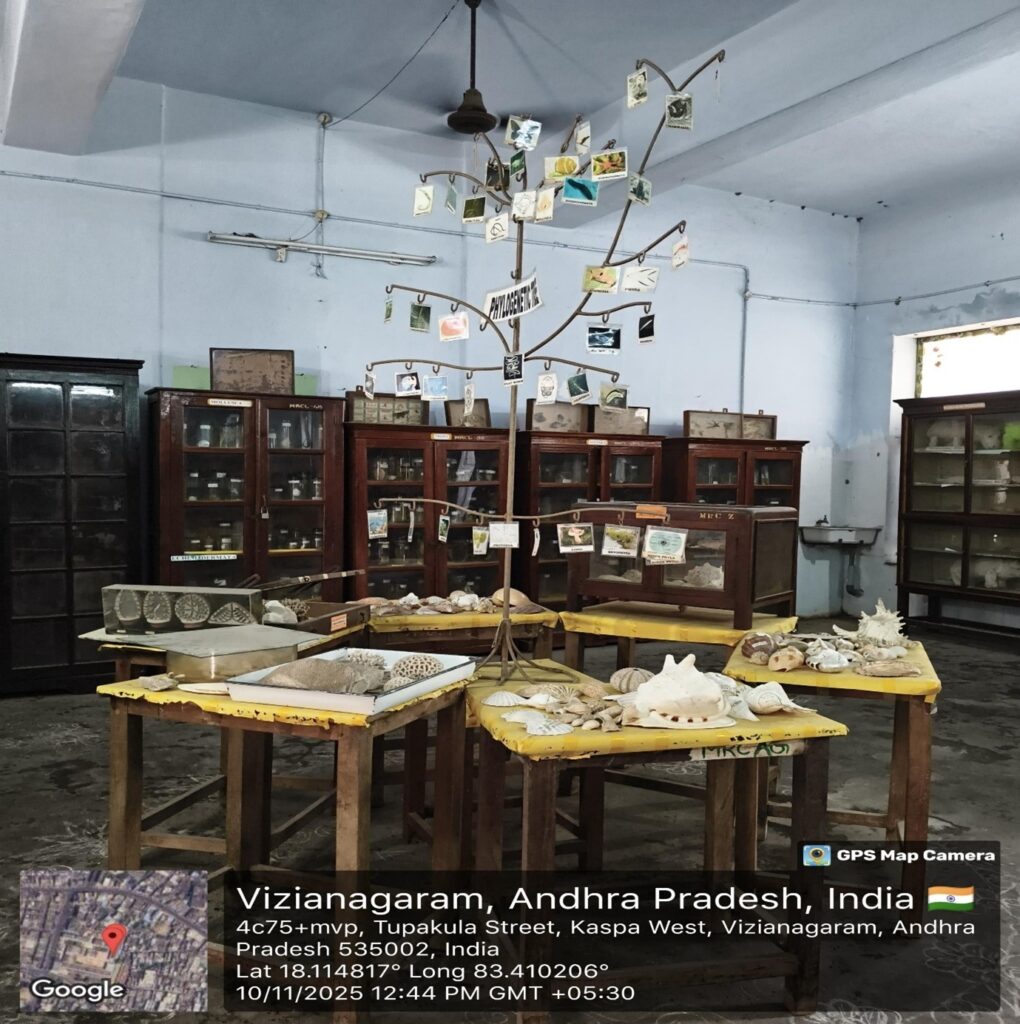
This exhibit in the Zoology Museum displays various marine specimens of Echinodermata, such as shells, corals, and starfish.
It helps students understand the structure and diversity of marine invertebrates.
The central model shows the classification and images of different species.
Preserved specimens in the background support academic and research learning.
This display enriches students’ knowledge of animal diversity and marine life.
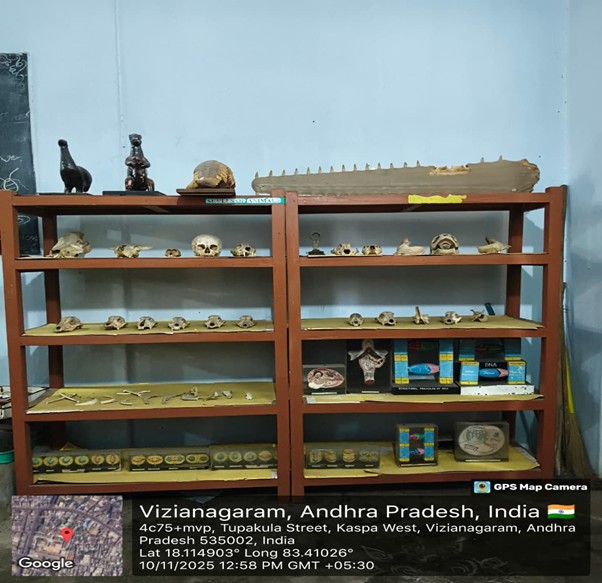
This section of the Zoology Museum displays skulls, bones, and models of various vertebrate animals.
It helps students learn about the skeletal structure and evolutionary features of different species.
The specimens provide a clear comparison among animal groups.
Models related to anatomy and genetics support practical understanding of biological concepts.
This exhibit enhances students’ knowledge of vertebrate morphology and evolution.
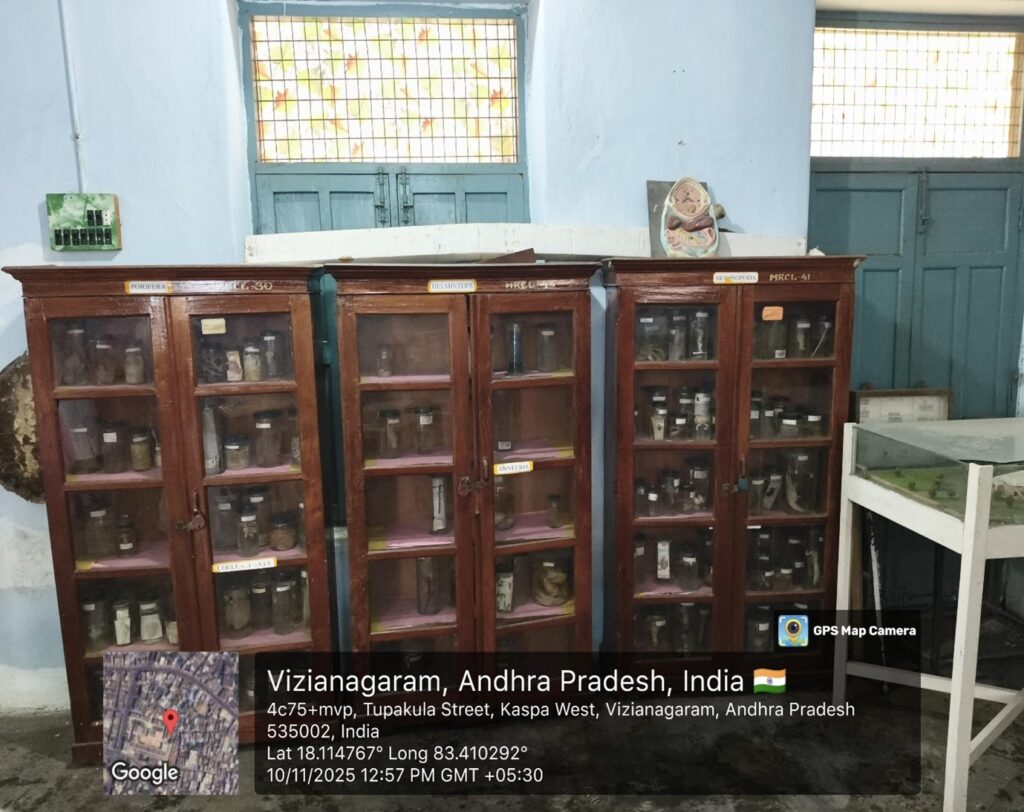
This section of the Zoology Museum showcases preserved specimens of different animal phyla like Porifera, Helminthes, and Arthropoda.
Each specimen is carefully labeled and stored for educational purposes.
The display helps students understand animal diversity and classification.
It serves as a valuable resource for practical and research-based learning.
This collection enhances students’ knowledge of invertebrate zoology.
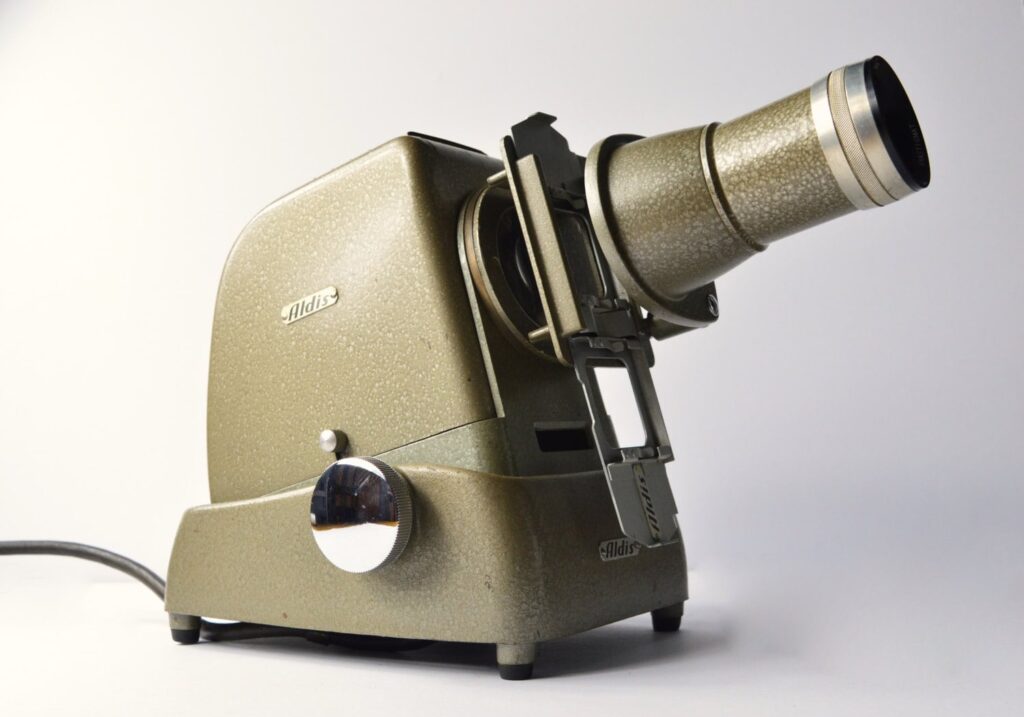
ALDIS SLIDE PROJECTOR OR FILM VINTAGE
Made in : England, 1950
CATEGORY: Cinematography
TAXONOMY: tools and equipment
equipment by process
image viewing equipment
image projecting equipment (unit)
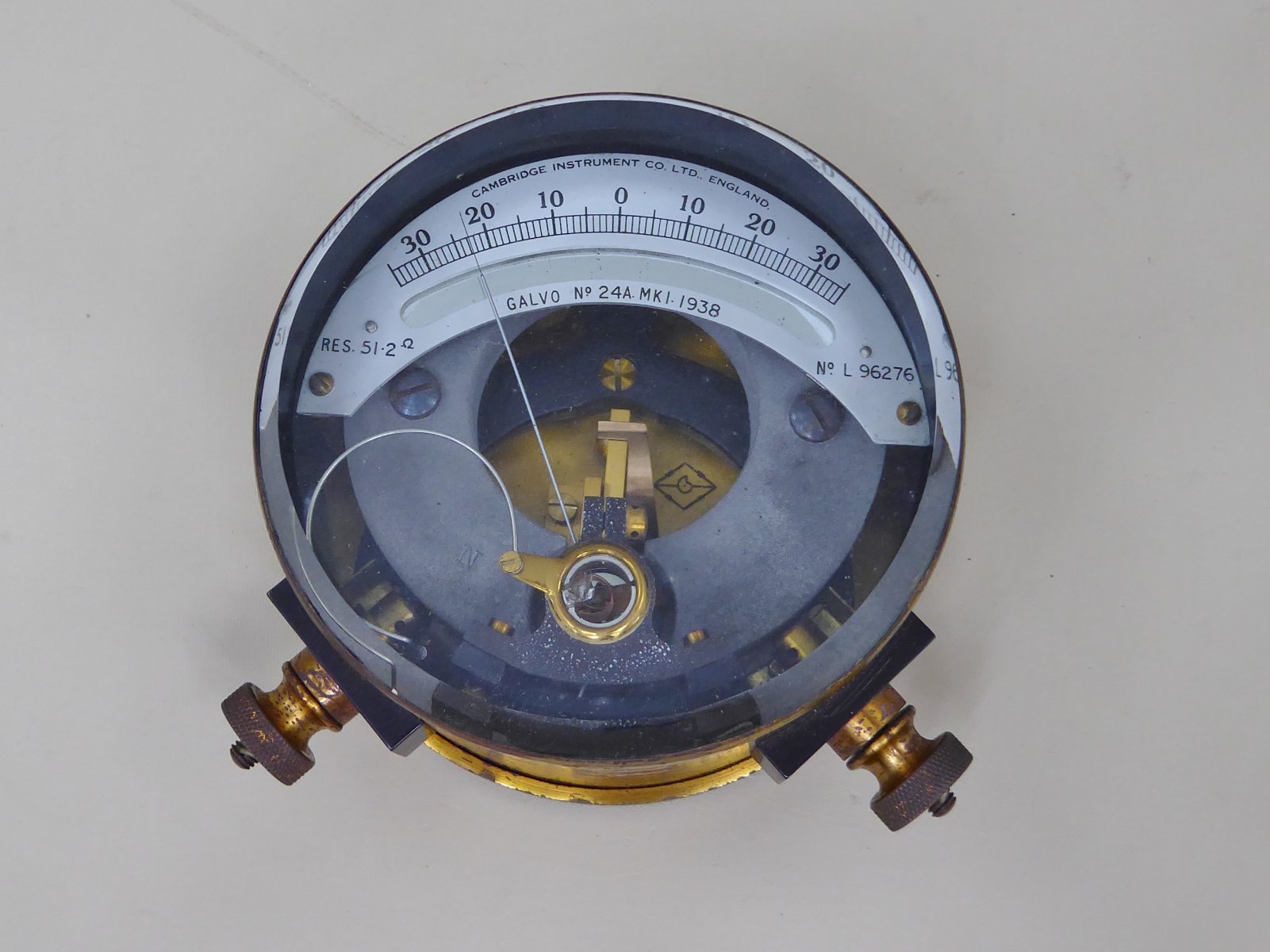
UNIPIVOT GALVANOMETER
Maker’s Name: Cambridge Instrument Co. ltd.
Where made : England,1940
CATEGORY: Electricity and Magnetism
TAXONOMY: measuring devices
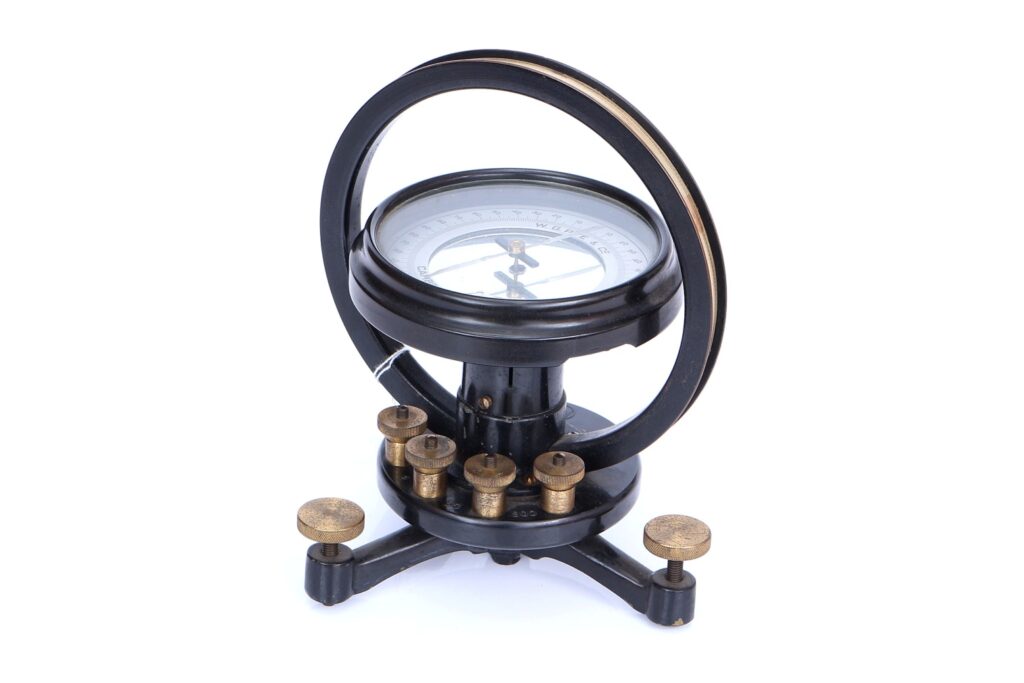
TANGENT GALVANOMETER
MAKER : W G Pye and Company Limited
Taxonomy : the measurement of electric current
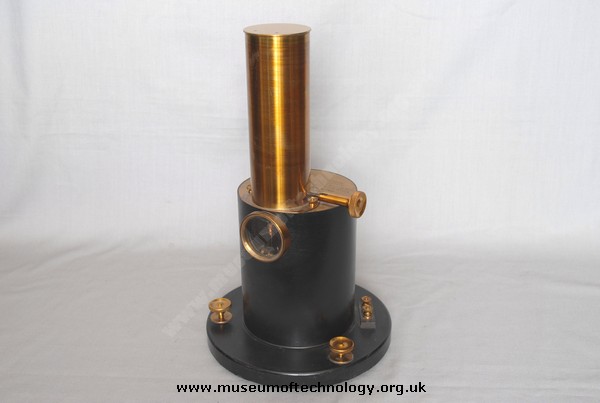
CAMPBELL VIBRATION TYPE No 106 MIRROR GALVANOMETER of 1912
Taxonomy : scientific instruments
electronic amplifiers
recording equipment for seismometers
submarine cables used for telegraphy..
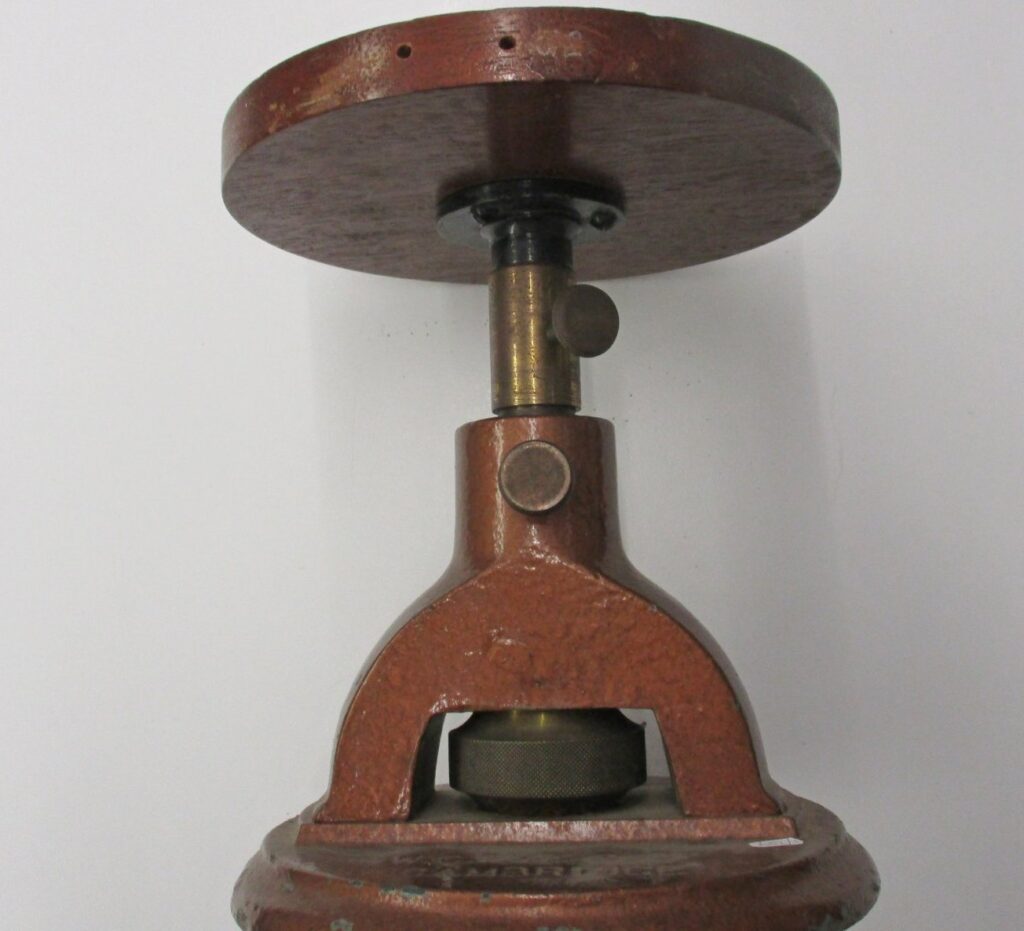
ADJUSTABLE STAND
It is a Variable height adjustment stand.
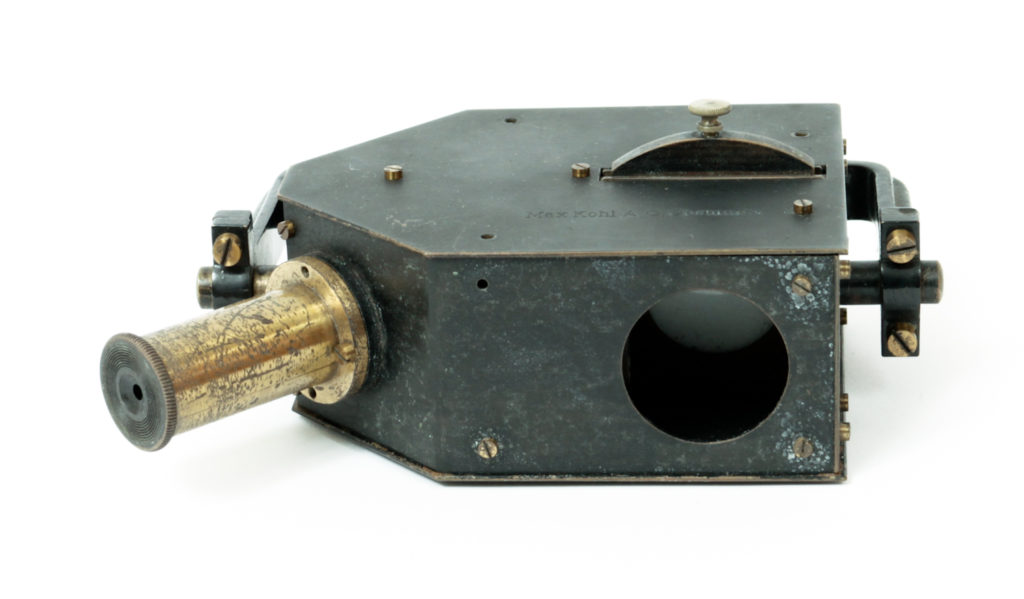
LUMMER BRODHUM PHOTOMETER,1965’S
CATEGORY: Optics
made in : 1961
TAXONOMY: measuring devices
This item was designed to compare the brightness of an unknown light source to the brightness of a standard light source.
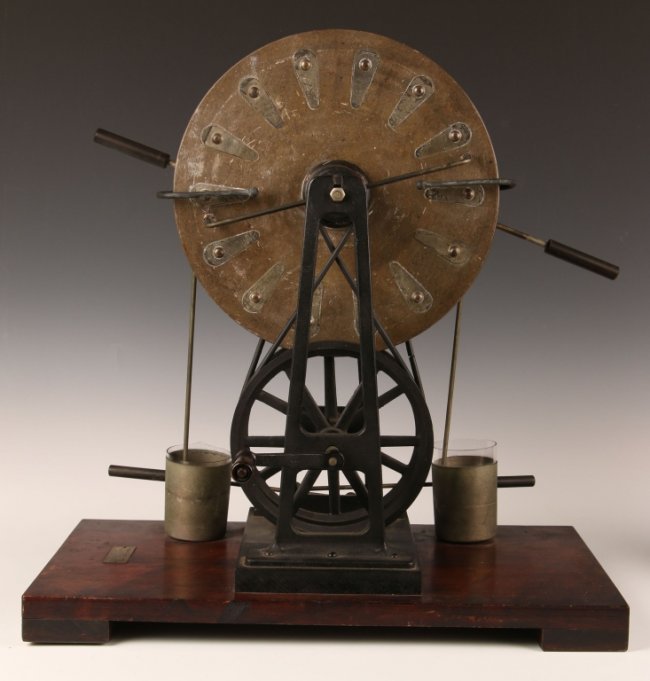
ELECTROSTATIC GENERATOR (Wimshurst machine)
MADE: 1910-1920 in Manchester
which separate electric charges through electrostatic induction, or influence, not depending on friction for their operation.
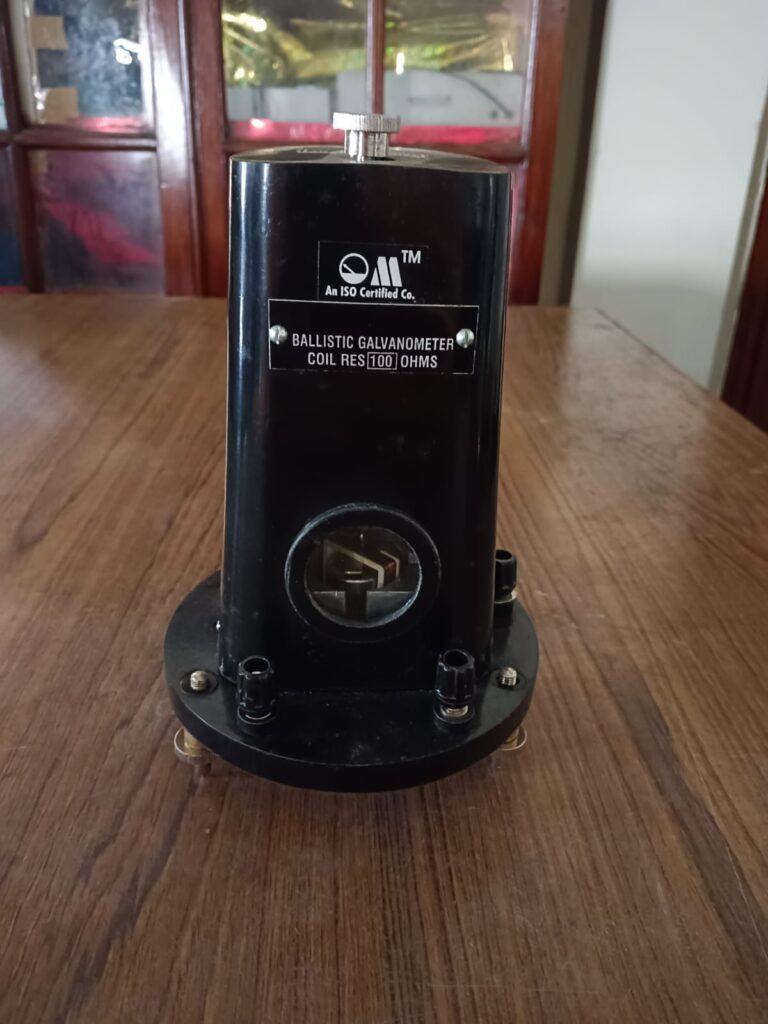
BALLASTIC GALVANOMETER
COIL RES 100 OHMS
Applications
- Used in Wheatstone bridge, to detect the presence of current in the loop
- Can be used to measure current by connecting a low resistance in parallel to it.
- Can be used to measure voltage by connecting a high resistance in series to it.
- Detecting errors in communication cables
- Positioning the pen in analog strip chart recorders, electrocardiographic
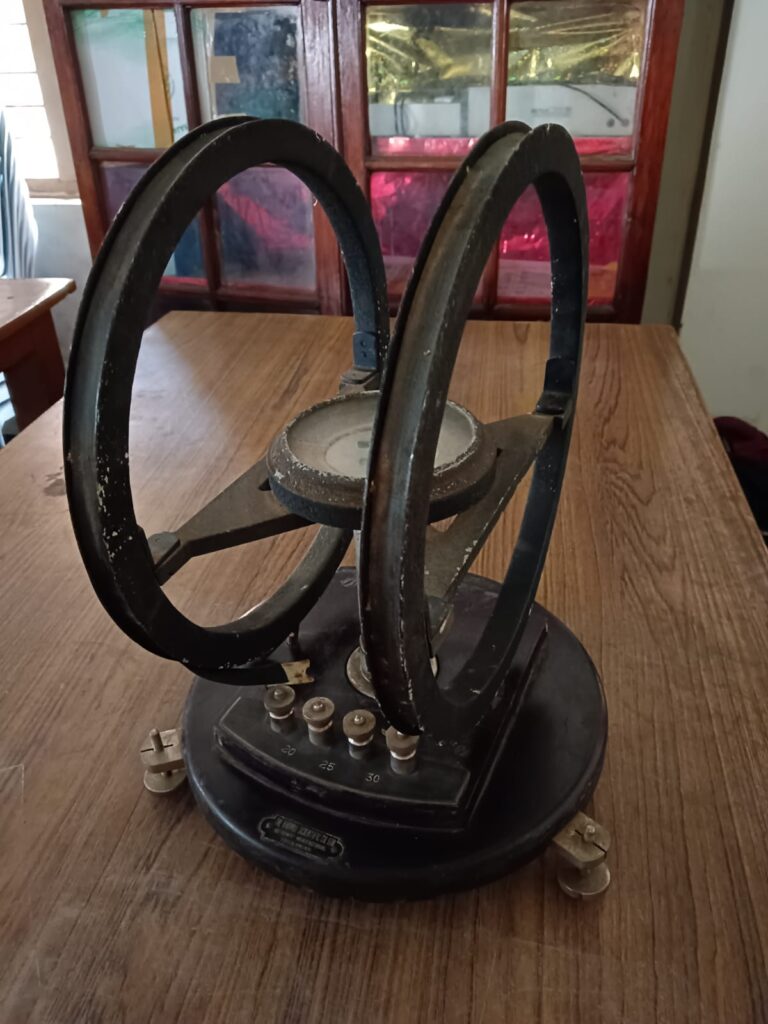
HELMHOLTZ COIL
A Helmholtz coil is a device for producing a region of nearly uniform magnetic field
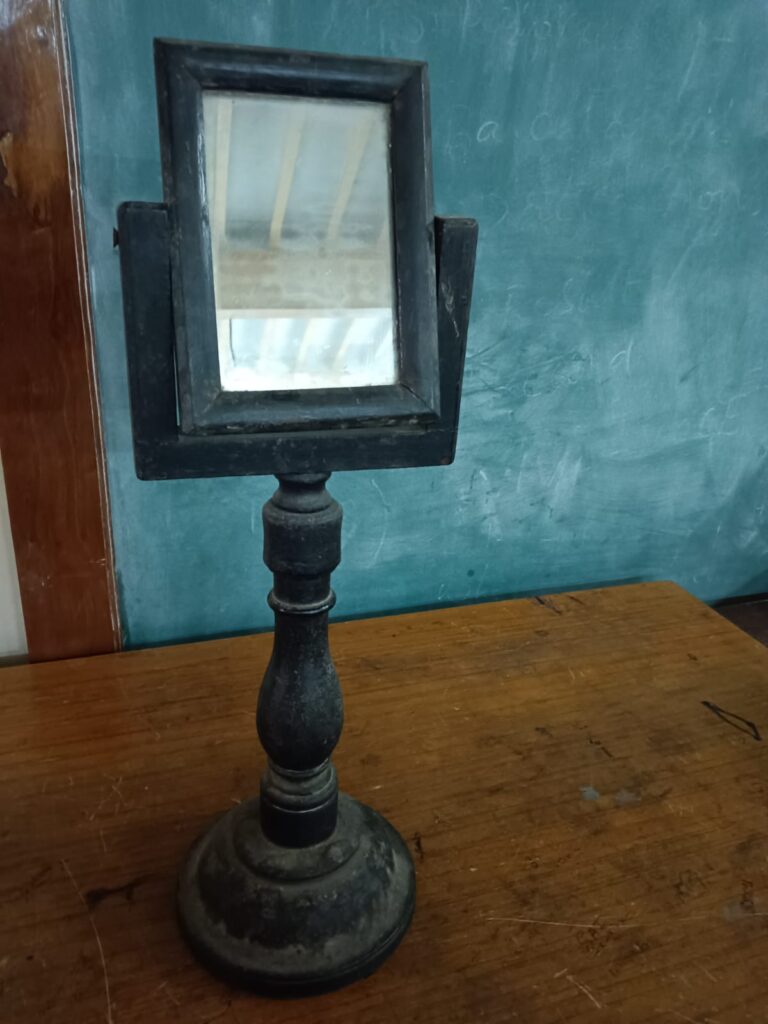
ADJUSTABLE MIRROR
It’s a 360 degree adjustable mirror
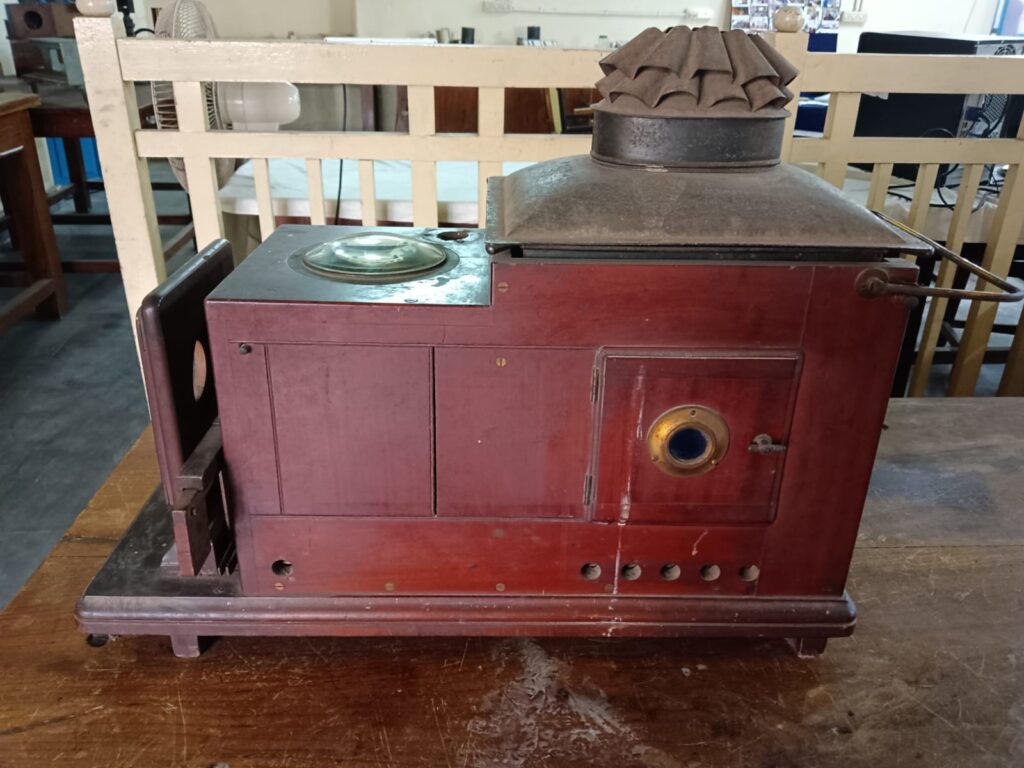
KERSHAW’S LANTERN
Made in – late 1960s, England
produced for use in scientific demonstrations
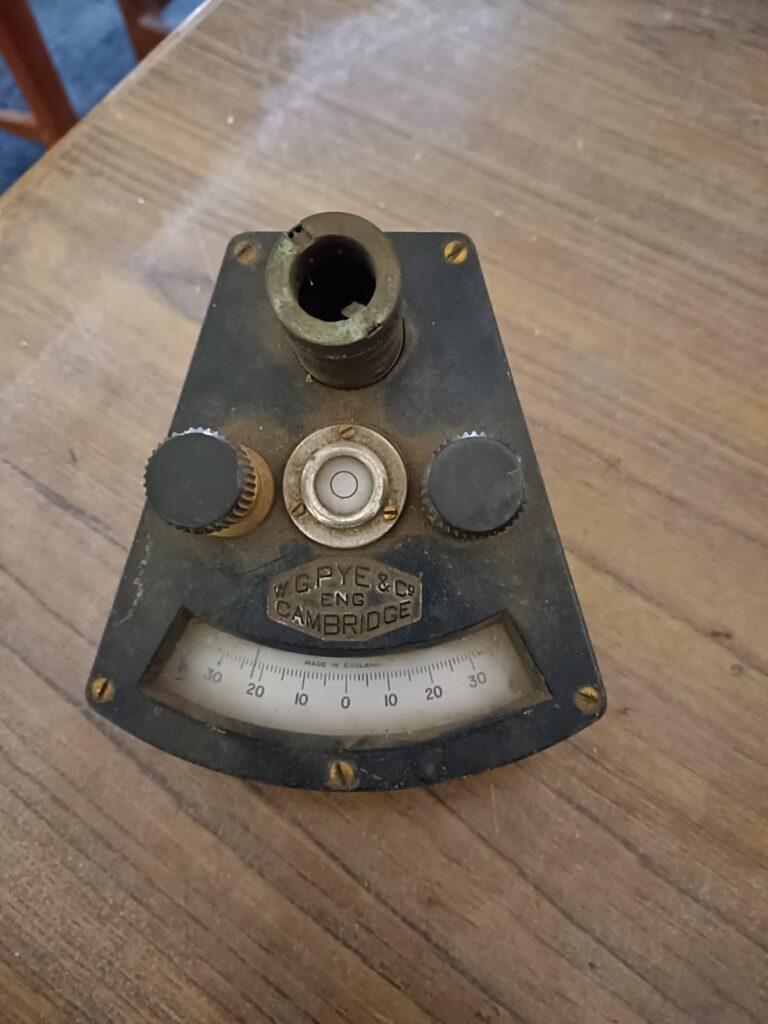
GALVANOMETER
the measurement of electric current
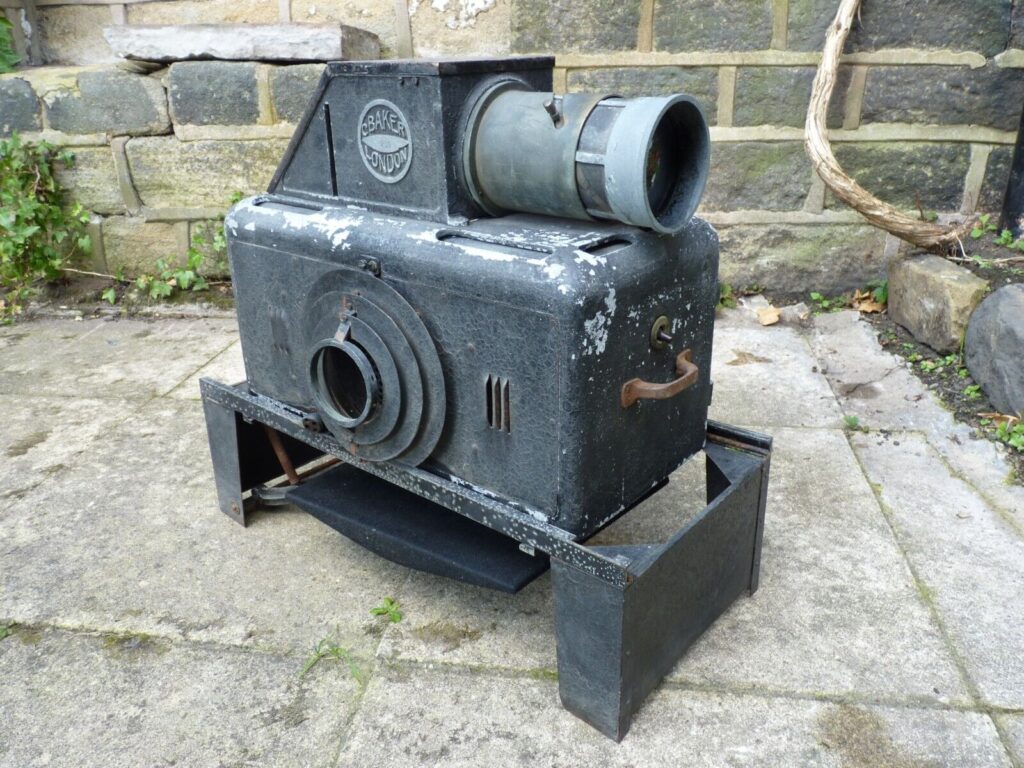
LARGE VINTAGE C.BAKER OF LONDON PROJECTOR/ EPIDIASCOPE, RAF PLANE CONNECTION
the zoom will be available on each image so please use it for a more accurate condition!
LORD KELVIN’S PATENTS ELECTRIC BALANCE
MADE IN:glasgow and London, (Lord Kelvin, 1824-1907)
The balance can measure current or voltage using electromagnetic attraction and repulsion coupled with a standard beam balance mechanism.
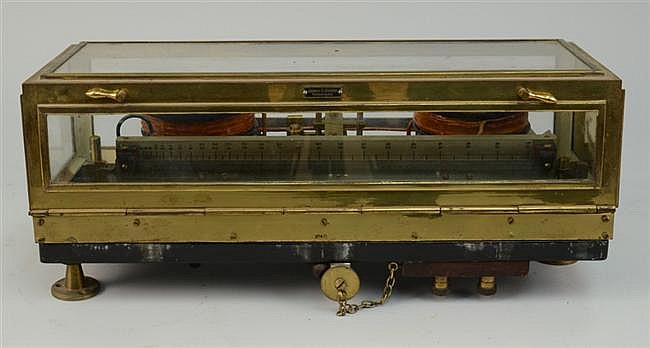
LORD KELVIN’S PATENTS ELECTRIC BALANCE
William Thomson (Lord Kelvin, 1824-1907)
patented the current balance in 1894. The balance can measure current or voltage using electromagnetic attraction and repulsion coupled with a standard beam balance mechanism.(1) The balance has with it a set of weights and a thermometer that is inserted through the hole in the top of the case and into the right coil. This instrument is an example of a centi-ampere balance. The high current terminals are at the back of the balance.
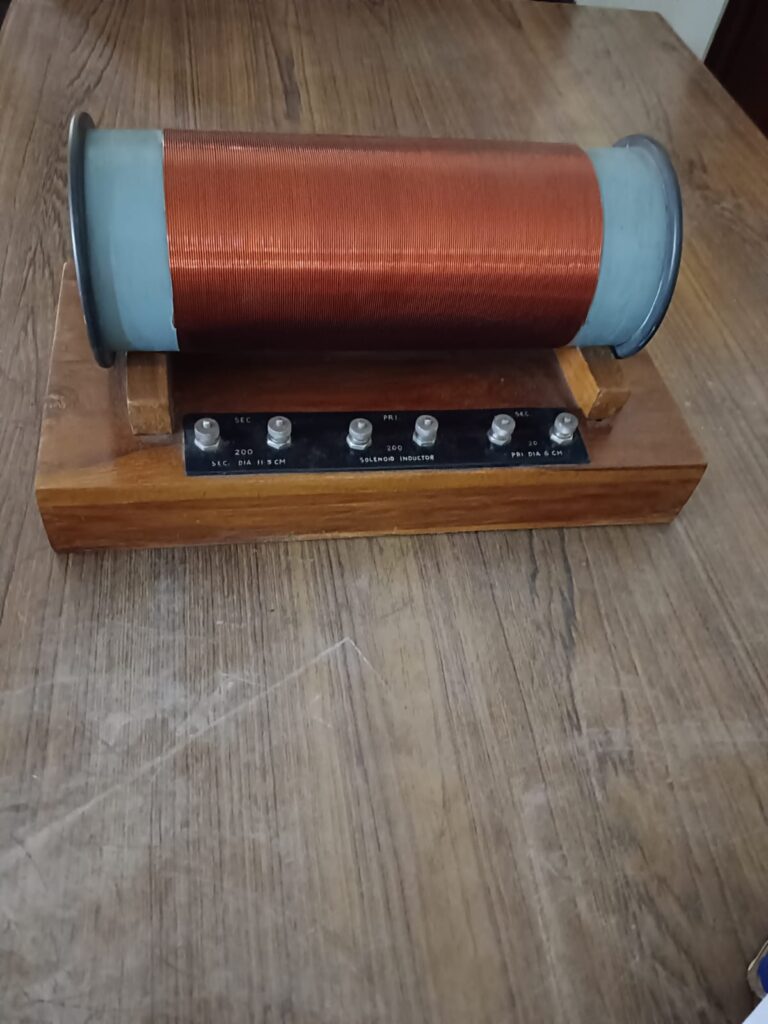
INDUCTION COIL
It is used to produce high-voltage pulses from a low-voltage direct current (DC) supply
BAGNOLD SUN COMPASS
Innovator
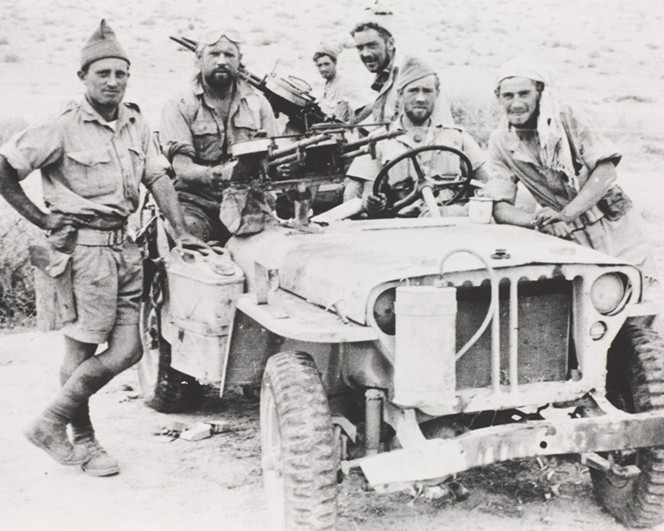
Bagnold also developed a way of conserving the precious water that was lost – usually from an overflow pipe – when vehicle radiators boiled over.
His innovation was to connect the overflow pipe to a can half full of water on the front of the vehicle so that the boiling water would condense in the can. When this water also began to boil over, the driver would turn his vehicle into the wind. After a short time, all the water would be sucked back into the radiator, filling it up again.
An LRDG jeep armed with twin Vickers Class K-guns, c1942
Navigation
In an era before satellite navigation a good compass was essential in the barren and featureless North African desert, most of which was unmapped. During his early travels, Bagnold had used a magnetic aero-compass, lent to him by the Royal Geographical Society.
The compass was mounted on his vehicle, but he could not compensate it properly due to the magnetic influence of the car’s metal. Bagnold was often forced to stop his car and take bearings away from the vehicle. He also found that the iron ore deposits sometimes found in desert regions affected this instrument.
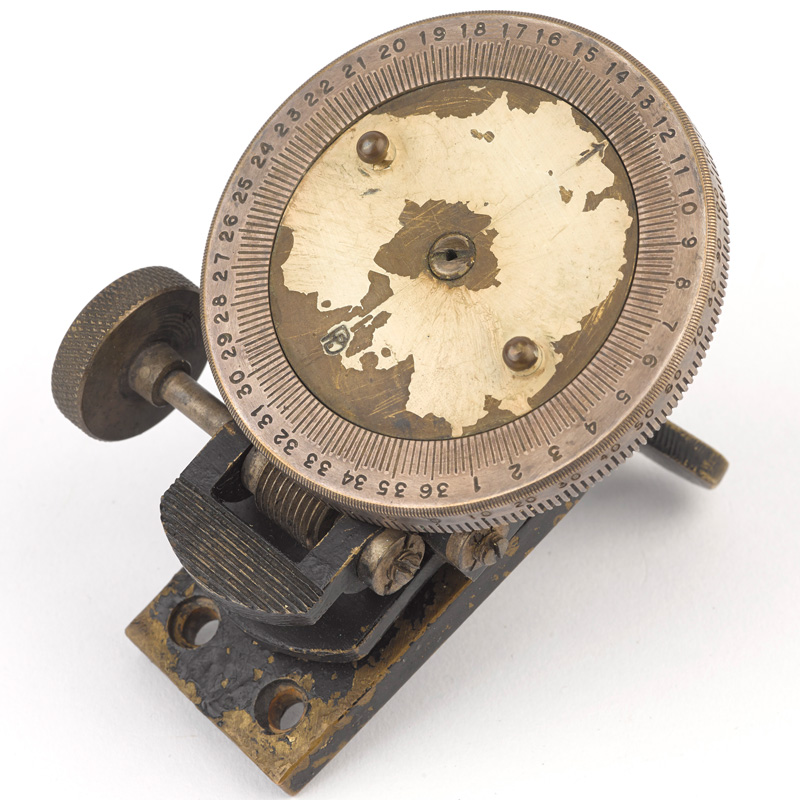
Bagnold sun compass used by the LRDG’s Indian Squadron, c1942
Sun-compass
The LRDG also experimented with different sun-compasses. These were unaffected by magnetism, but had to be reset in line with the sun whenever they changed course to traverse rough terrain or avoid enemy troops. This again delayed the progress of their convoys.
Bagnold therefore invented a new sun-compass that could be used while still driving. This worked by turning its disc to match the approximate azimuth of the sun (taken from tables of different dates and latitudes) at regular times.
BAGNOLD SUN COMPASS
Bagnold therefore invented a new sun-compass that could be used while still driving. This worked by turning its disc to match the approximate azimuth of the sun
Artifacts
| Instrument Name | Details | Major Significance |
|---|---|---|
| Gas Washing Bottle | Year: 1880 Country: Europe, USA & African Countries Maker: PYREX® and KONTES® | To inject a stream of gas through a liquid in a closed flask |
| Extractor | Year: 1879 Country: Europe, USA & African Countries Maker: BHATTACHARYA & CO | To remove steam, smoke and unpleasant gases during the reaction |
| Distillation Flask | Year: 1200 BCE Country: UAE, Saudi Arabia and Germany Maker: BOROSSIL | To separate a mixture of liquids with different boiling points |
| Distillation Head | Year: 1200 BCE Country: UAE and Germany Maker: BOROSSIL and CORNING GLASSES | As a receiving vessel in microscale distillation apparatus during mixture purification procedure |
| Alkali Meter | Year: 1802 Country: Europe, USA & African Countries Maker: BOROSSIL | Measuring strength or amount of alkali in a mixture |
| Allihn Condenser | Year: 18th Century Country: Europe, USA & African Countries Maker: CORNING GLASS | To separate low boiling point liquids from high boiling point liquids |
| Polarimeter | Year: 1841 Country: Germany, India and Netherland Maker: INDOSAW and Aarkey Labtronix India | It is essential in identifying and characterizing chiral molecules |
| Instrument Name | Details | Major Significance |
|---|---|---|
| Tangent Galvanometer | Year: 1930-1940 Country: England Maker: W G Pye and Company Limited | Measurement of Electric Current |
| Unipivot Galvanometer | Year: 1940 Country: England Maker: Cambridge Instrument Co. ltd | The measurement of electric current |
| Mirror Galvanometer | Year: 1912 Country: England Maker: The Cambridge and Paul Instrument Company Ltd | Electric amplifier measurement of Electric Current; Recording equipment for seismometers; Used extensively in scientific instruments |
| Aldis Slide Projector | Year: 1953 Country: England Maker: Aldis Brothers in Birmingham | Image viewing & Image projecting |
| Lummer Brodhun Photometer | Year: 1961 Country: England Maker: The Cambridge and Paul Instrument Company Ltd | Designed to compare the brightness of an unknown light source to the brightness of a standard light source. |
| Electrostatic Generator (Wimshurst) | Year: 1910-1920 Country: Manchester Maker: The Cambridge and Paul Instrument Company Ltd | Separates electric charge through Electrostatic Induction. |
| Ballistic Galvanometer | Year: 1820 Country: London Maker: Not Specified | Used in Wheatstone bridge to detect current; Can measure current or voltage with appropriate resistors; Detecting errors in communication cables; Positioning the pen in analog recorders and electrocardiographs. |
| Helmholtz Coil | Year: 1849 Country: India Maker: Andhra Scientific Co Ltd. | Producing a region of nearly uniform magnetic field. |
| Kershaw’s Lantern | Year: Late 1960’s Country: England Maker: A. Kershaw and Sons | Produced for the use of scientific demonstrations and it involves photographic technology. |
| Vintage Galvanometer | Year: 1930-1940 Country: England Maker: W G Pye and Company Limited | Measurement of small variations in Electric Current |
| Lord Kelvin’s Electric Balance | Year: 1984 Country: Glasgow and London Maker: Kelvin & James White Ltd. | Measures current or voltage using electromagnetic attraction and repulsion coupled with a standard beam balance mechanism. |
| Bagnold Sun Compass | Year: 1942 Country: England Maker: Not Specified | Sun-compass that could be used while driving, working on the principle of matching the sun’s azimuth. |
| Induction Coil | Year: 1836 Country: England Maker: Not Specified | Used to produce high-voltage pulses from a low-voltage DC supply; Used in Electrical Experiments and for medical therapy. |